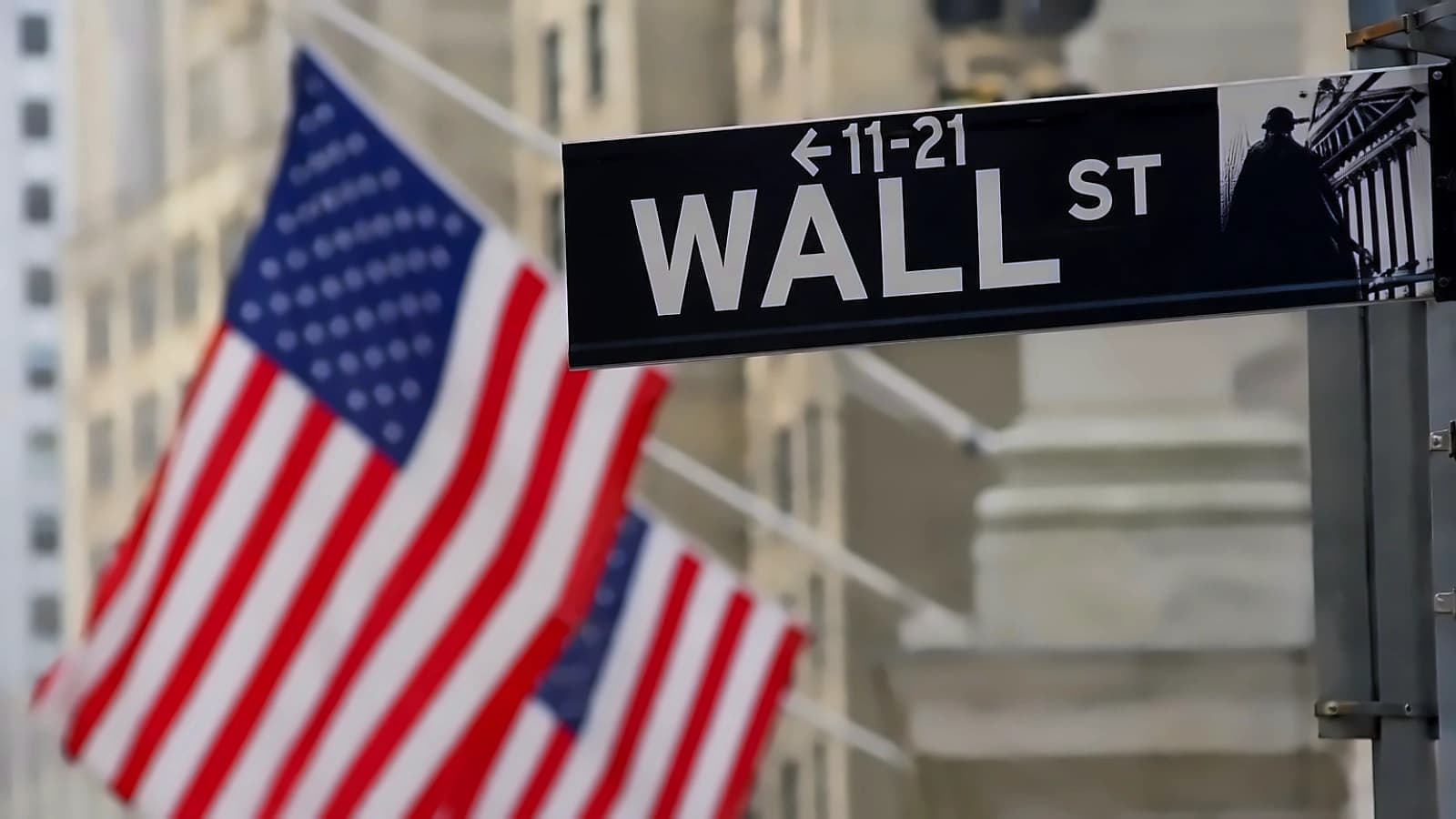
US stock markets opened with minimal changes on Monday, as investors weighed developments in the Middle East that could influence the reopening of the Strait of Hormuz and braced for a week laden with crucial inflation data and earnings. The Dow Jones Industrial Average rose 35.7 points, or 0.07%, at the open to 54,072.66, while the S&P 500 fell 5.9 points, or 0.08%, at the open to 7,751.74, and the Nasdaq Composite dropped 10.2 points, or 0.04%, to 26,680.444 at the opening bell, according to The Economic Times. By 10:30 a.m. Eastern time, the Dow Jones had slipped 61 points, or 0.1%, while the Nasdaq composite was up 0.1%, as reported by The Times of India. This trading session reflects investor caution ahead of significant economic reports, with the Dow Jones having closed at a record high on Wednesday, finishing up 0.5% at 54,349.12 despite falling 400 points from its intraday high.
The market rally was primarily fueled by signs of progress for a peace deal with Iran, as reported by The Economic Times. President Trump's comments that "We'll know in 48 hours on Iran" while speaking to reporters in Los Angeles have significantly boosted investor confidence. Iran's semi-official Fars news agency reported that an Iranian parliamentary committee is reviewing a preliminary bill that would bar U.S., Israeli and other "hostile" vessels from transiting the Strait of Hormuz. This represents one of the biggest concessions yet to Iran and has raised hopes that peace talks could lead to a deal, easing inflation pressures and lowering expectations for a rate hike from the Federal Reserve. Iranian Foreign Ministry spokesman Esmail Baghaei said the two countries would finalise the arrangement "if certain third parties do not obstruct this process," with Iran reiterating that a deal will be struck if "certain third parties do not obstruct the process." However, market analysts noted "headline fatigue" around Iran developments, with Robert Bernstone from SummitTX Capital noting investors want to see "the devil is in the details" before reacting significantly.
Oil prices surged on Thursday as investors digested the latest Iran developments, with Brent crude prices continuing to climb, rising 2.8% to $85.86 a barrel, according to The Times of India. The recent indications of movement toward a peace deal helped push crude prices lower earlier in the week and, in turn, eased inflation worries and expectations for a rate hike from the Federal Reserve. Iran's semi-official Fars news agency reported that an Iranian parliamentary committee is reviewing a preliminary bill that would bar U.S., Israeli and other "hostile" vessels from transiting the Strait of Hormuz, adding to confidence that shipping traffic in the region could normalize. Oil prices have been swinging for months and were as high as $102 per barrel at one point during the conflict, jolting already stubbornly high inflation. Investor optimism has since given way to greater caution, pushing Brent crude back to levels seen earlier this month, as well as during mid-July, mid-June and the opening week of the conflict in March, as reported by The Times of India.
Of the 382 companies in the S&P 500 that have reported earnings through Wednesday morning, 84.8% have topped analyst expectations, according to LSEG data, well above the 68% average beat rate since 1994, as reported by The Economic Times. Among the latest companies to exceed market expectations was Berkshire Hathaway, with shares gaining 2.4% after the conglomerate reported quarterly profit that topped analysts' forecasts and disclosed that it had deployed part of its sizeable cash reserves into equity investments under new CEO Greg Abel, according to The Times of India. MarineMax surged 45.9% after the retailer announced an agreement to be acquired for about $1.5 billion in cash by a portfolio company of Blackstone, while Varex Imaging soared 48.3% after Teledyne Technologies said it would acquire the X-ray imaging components manufacturer in an all-cash deal valued at $18.90 per share. However, Intel weighed on the broader market, falling 4.2% after announcing plans that could involve selling $15 billion worth of stock, with the company saying the proceeds would likely be used to fund investments aimed at capitalising on the rapid expansion in artificial intelligence spending.
Fresh labor market data remained in focus as the number of Americans filing claims for unemployment benefits increased slightly last week, according to The Economic Times. This report came ahead of closely watched nonfarm payrolls figures for July due on Friday, which will shape expectations for the Fed's path of interest rates at a time when Chairman Kevin Warsh has scaled back on forward guidance from the central bank. Initial jobless claims increased slightly to 199,000 in the week ended August 1, according to CNBC TV18, which was below economists' expectations of 205,000 and the previous week's figure was revised to 198,000. Rising crude prices add to inflationary pressures, making Wednesday's inflation report the key event for Wall Street this week, with economists expecting the data to show consumer inflation eased to 3.4% last month from 3.5% in June, as reported by The Times of India. A moderation in inflation would reduce pressure on the Federal Reserve to raise interest rates, though higher borrowing costs also weigh on economic activity by making loans more expensive for US households and businesses.
As reported by The Economic Times, expectations for a rate hike from the Federal Reserve at its September meeting have dipped to 54.9%, down from 58.3% a week ago. Minneapolis Fed President Neel Kashkari said in an interview with CNBC that he believed now is the time to start slowly moving interest rates higher. Wall Street's expectations for another interest rate increase eased after Friday's employment report showed unexpectedly weak hiring across the US, with CME Group data indicating that traders continue to assign a 46% probability to the Federal Reserve raising its benchmark interest rate at its September policy meeting. The yield on the benchmark 10-year US Treasury note climbed to 4.68%, compared with 4.65% at Friday's close, as reported by The Times of India. With more labor-market data due before Friday's government payrolls report, investors are weighing softer readings like ADP's July jobs number against a Fed that remains focused on inflation.