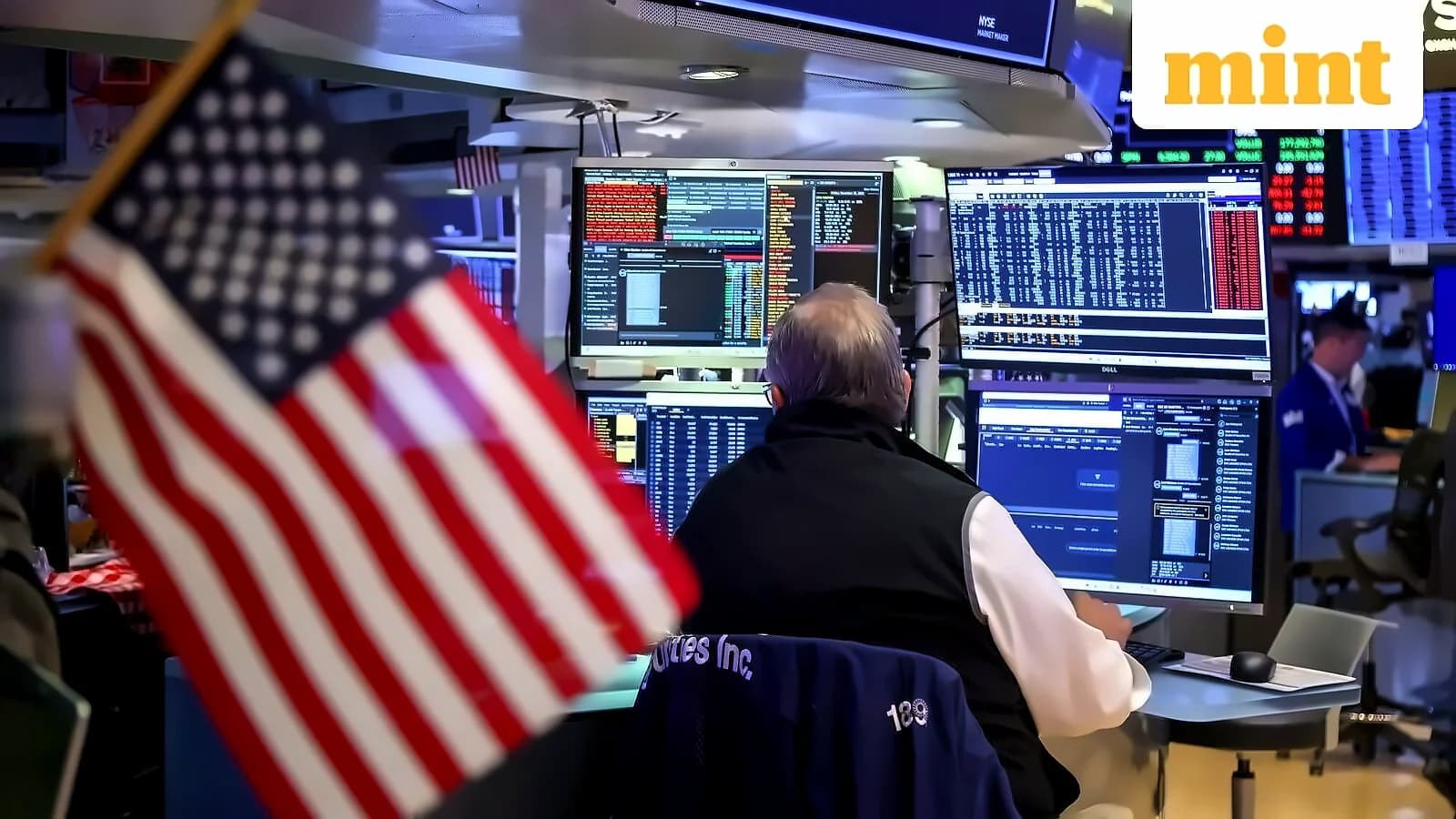
US stock markets will remain open on Monday, October 12, 2026, despite the observance of Columbus Day and Indigenous Peoples' Day, according to reports from The Economic Times and Goodreturns. The New York Stock Exchange (NYSE) and Nasdaq will follow their normal trading schedules, with standard sessions running from 9:30 a.m. to 4 p.m. Eastern Time. This allows investors to trade equities during regular market hours, as the day is recognized as a federal holiday but not a full market holiday for US equities. The Nasdaq 2026 holiday calendar confirms that Columbus Day is not among the exchange's scheduled closures, while the NYSE's official trading calendar likewise lists the holidays when its markets close, including Thanksgiving and Christmas, but not Columbus Day. As reported by Goodreturns, Columbus Day, also observed as Indigenous Peoples' Day in many parts of the United States, falls on the second Monday of October, making it a federal holiday that does not affect stock market operations. For Indian investors tracking Wall Street, the regular US market session begins at 7:00 pm IST and ends at 1:30 am IST on October 12, 2026, under the prevailing US daylight saving time schedule.

US equity market futures indicate a weak opening on October 12, as investors focus on rebounding crude oil prices amid attacks at the Saudi Arabian international airport, according to Investing.com data. Dow Jones futures were trading 0.13% higher at 51,994 points, indicating a flat or marginally positive open, while the S&P 500 index was trading flat at 7,867 points. In contrast, Nasdaq 100 futures were down 0.08%, trading around 31,085 points on Monday ahead of the Wall Street open. The contrasting futures performance reflects investor uncertainty amid geopolitical tensions in West Asia, with the tech-heavy Nasdaq showing more weakness than the broader market indices. Pre-market and after-hours trading may also be available through brokerage platforms, although access, timings and eligible securities vary depending on the broker and account type.
Global crude oil prices remained highly volatile, ranging between $102-106 per barrel during Monday's trading session, as investors reacted to the latest missile attacks at the Saudi international airport, according to Investing.com data. Brent crude oil prices surged 1.3% to hit an intraday high of $106.17 per bbl, compared to $104.72 per bbl at the previous commodity market close. Saudi's Riyadh International Airport recorded two air strikes killing at least 20 people, while injuring more than 300, including foreign nationals. According to a CBS News report, US President Donald Trump is considering joining the attacks against the Houthis in Yemen as the region becomes the epicentre of conflict in West Asia. The geopolitical tensions have created significant volatility in energy markets, with oil prices showing sharp movements throughout the trading session.
While equity trading continues, the bond market follows a different holiday calendar, creating potential disruptions for fixed-income transactions, according to Goodreturns. The Securities Industry and Financial Markets Association (SIFMA) recommends a full-day close for US dollar-denominated fixed-income securities trading on October 12. This recommendation covers several major segments, including US Treasury securities, municipal bonds, mortgage-backed securities and corporate bonds. Although SIFMA's guidance is an industry recommendation rather than federal law, it is widely followed by market participants. Consequently, activity in parts of the bond market may be reduced or paused even as shares continue trading on the stock exchanges. Investors may encounter fewer fresh bond prices and limited market activity, depending on the instrument and service provider. The distinction is important because settlement-related services may not follow standard schedules, with investors advised to check relevant market calendars before placing trades or planning fund transfers.
The US Dollar spot index was up 0.17% at 102.40 levels during Monday's trading session, compared to 102.23 levels at the previous currency market close, according to TradingView data. The data shows that US dollar rates have risen 4.4% in the last six months and were up 4.2% on a year-to-date basis so far in 2026. This strengthening of the US dollar comes amid the geopolitical tensions and market volatility, with investors seeking safe-haven assets. The dollar's performance reflects broader market sentiment as investors navigate the complex interplay of energy prices, geopolitical risks, and monetary policy expectations. Investors should not assume that the availability of stock trading guarantees that bank transfers, payment processing, bond transactions or settlement services will follow their standard schedules, as applicable timetables can differ across services and institutions.