US stock market futures had positioned for a positive opening earlier, with Nasdaq futures leading gains at 1.35% while S&P 500 and Dow Jones futures posted more modest gains of 0.43% and 0.14% respectively. However, Wall Street's main indexes opened slightly lower on Monday as peace talks between the US and Iran stalled, while investors awaited a flood of earnings as well as commentary from the Federal Reserve meeting this week. According to The Economic Times, the Dow Jones Industrial Average fell 118.5 points, or 0.24%, to 49,112.2 at the open, while the S&P 500 dropped 12.4 points, or 0.17%, to 7,152.72, and the Nasdaq Composite declined 37.0 points, or 0.15%, to 24,799.637. Both S&P 500 and Nasdaq were previously positioned near their 52-week high levels, indicating strong underlying market momentum that has now been tempered by current market conditions.
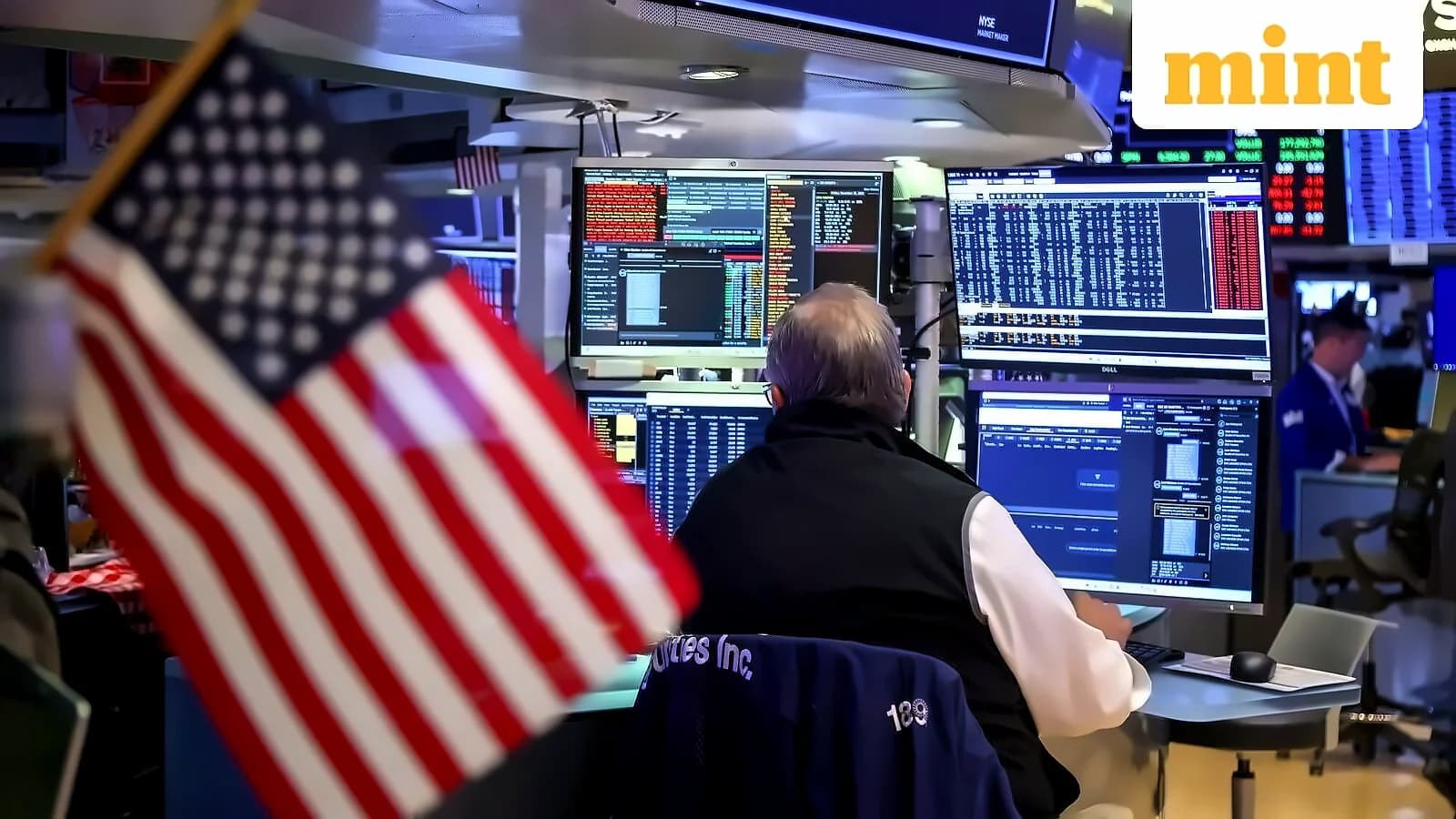
The market sentiment received a significant boost from a Reuters report citing a Pakistani government source, which stated that Iranian Foreign Minister Abbas Araqchi was expected to arrive in Islamabad on Friday night to resume peace talks with the US. As reported by Mint, this development comes after US President Donald Trump extended the ceasefire with Iran earlier this week, though he maintained the naval blockade of Iranian ports, suggesting the conflict was not yet fully resolved. Meanwhile, Israel and Lebanon extended their ceasefire for three weeks at a meeting brokered by Trump. However, recent developments show that peace talks between the US and Iran have stalled, contributing to the current market uncertainty and weighing on investor sentiment as the Federal Reserve meeting this week approaches.
Oil prices experienced a notable reversal, with Brent crude futures turning negative by 0.9% and WTI crude recording a steeper 2% decline due to profit-taking amid peace talk hopes. According to Mint, despite the decline, oil prices remained at elevated levels with Brent holding above $104 and WTI around the $93.8 mark. The trend reversal reflects market expectations that reduced Middle East tensions could impact energy demand and supply dynamics. However, recent developments show Brent crude futures rose beyond $100 a barrel as Iran tightened its grip on the Strait of Hormuz and said it would not reopen the waterway until the U.S. lifted its naval blockade.
The semiconductor sector is expected to drive stock-specific action amid the ongoing earnings season, with Intel shares jumping nearly 29% in pre-market trading after delivering a blockbuster sales forecast. As reported by Mint, Vested Finance noted that the outlook signals Intel is finally capitalizing on the massive buildout of artificial intelligence infrastructure, reigniting investor interest in a stock that had long lagged peers. The optimism is spilling over globally, with Taiwan Semiconductor Manufacturing Company shares also up sharply as regulators eased investment limits, while SAP gained in Europe after strong earnings helped ease AI disruption concerns. According to The Economic Times, Intel leads the S&P 500 top gainers with 82.54% and Advanced Micro Devices follows at 347.81%, demonstrating continued strength in the semiconductor sector despite broader market weakness.
According to Vested Finance analysis reported by Mint, the US stock market is being influenced by AI-driven earnings on one hand and macro risks from energy markets on the other hand, creating a mixed picture for Wall Street. The brokerage observed that semiconductor stocks continue to lead the market, with investors betting that demand for AI chips will remain structurally strong, while the broader market sentiment is being shaped by both technology sector optimism and geopolitical developments. Meanwhile, the FTSE 100 is down 2% for the week and is on track to erase nearly all gains sparked by hopes of the U.S.–Iran ceasefire, as rising oil prices and fading peace hopes weigh on consumer-sensitive sectors. As reported by The Economic Times, the current market environment reflects investors weighing the US-Iran conflict before earnings rush, with the Federal Reserve meeting this week adding another layer of uncertainty to market sentiment.