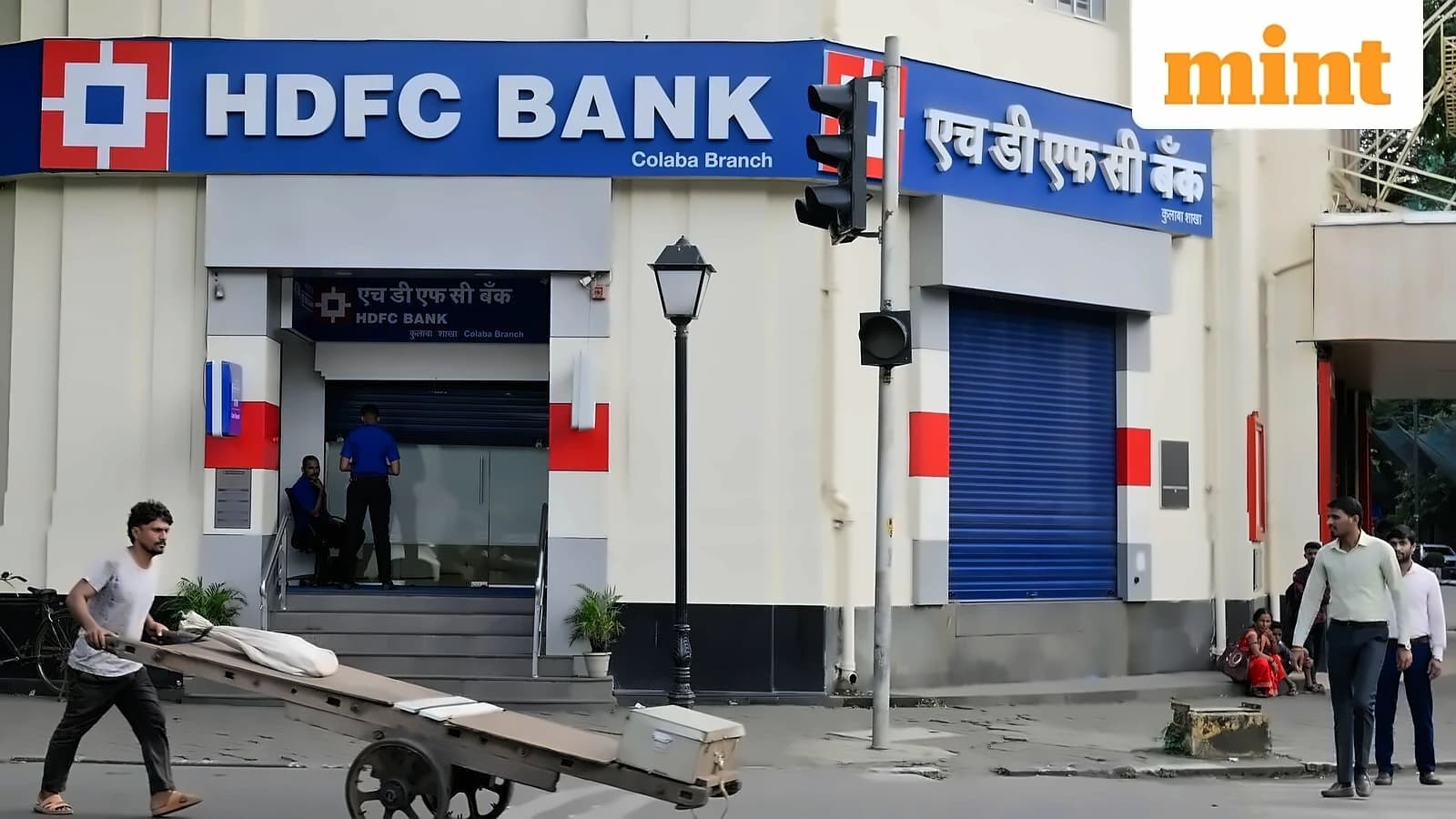
September 5 is celebrated as Teachers' Day in India to honour the birth anniversary of Dr Sarvepalli Radhakrishnan, the nation's second President. However, for bank customers, the day is a regular working Saturday as it falls on the first Saturday of the month. According to reports from Mint, all private and public-sector banks in India will remain open today, as the date falls on a working day for all lenders. This contrasts with the standard RBI guidelines that mandate bank closures on the second and fourth Saturdays of every month, as well as all Sundays. Banks typically operate from 10:00 AM to 4:00 PM on weekdays, with the first and third Saturdays remaining operational, though actual opening hours may vary by location and state. Major banks including State Bank of India (SBI), HDFC Bank and ICICI Bank are operating normally today, with customers able to visit branches during their regular Saturday business hours.
Despite the 18th BRICS Leaders' Summit bringing world leaders to Bharat Mandapam from September 11-13, banks in Delhi will operate normally on September 11th. As reported by Mint, the Reserve Bank of India's holiday calendar does not list September 11 as a bank holiday for the capital, with branches across Delhi scheduled to run normal operations that day. This distinction exists because government office closures and bank holidays sit on entirely separate calendars, one does not automatically trigger the other, even when both apply to the same city on the same date. The Delhi government has ordered closure of its offices, autonomous bodies and PSUs for September 11-13, with central government offices covered by the same directive, but this does not affect banking operations.
The next RBI-specified bank holiday falls on September 11, when banks in Jaipur will remain closed due to elections in the jurisdiction of Jaipur Municipal Corporation. As reported by Mint, in the month of September, private and public-sector banks are scheduled to be closed for 15 days, including weekend offs. Several bank holidays are lined up this month, with closures varying across states and regions to celebrate Ganesh Chaturthi, Tirubhav Tithi of Srimanta Sankardeva and Karma Puja among others. Meanwhile, essential banking services remain operational nationwide despite physical branch closures.
The closure of physical branches does not mean that banking services come to a complete stop. According to Mint reports, customers can continue using online or mobile banking services unless specifically notified by the service provider of technical issues. Individuals facing cash emergencies can withdraw money from ATMs as they remain operational round the clock. Additionally, customers can use their respective bank's app or UPI to make payments at different outlets and to other people. Services such as account maintenance forms, setting up standing instructions, and applying for a locker are also available during holidays. Even when banks are physically closed, customers can still carry out most banking tasks using internet banking, UPI, ATMs, and mobile apps, which are available round the clock, including holidays.
Customers are advised to check RBI's holiday schedule or confirm with their local bank branch before planning a visit to ensure important banking tasks such as cheque clearances or cash transactions are completed on time, especially around long weekends or festive periods. As reported by Mint, fund transfer requests can be made using NEFT/RTGS transfer forms, demand draft request forms and chequebook forms. Credit cards, debit cards, and ATM cards can be obtained through card services during holidays. Local holidays can differ by city or state - for example, banks might be open in Delhi but closed in Kerala due to state-specific festivals. To avoid inconvenience, customers should check the Reserve Bank of India holiday calendar or their bank's official site to confirm the status in their specific region. While gazetted public holidays require bank branches across the entire country to shut down, physical banking services for national, religious, or state-specific observances differ by location, leaving branches in some states closed while others remain open.