India's reliance on Russian crude oil has reached unprecedented levels, with Russia's share in India's oil imports jumping to an all-time high of 48% in June 2026, according to latest data from the Ministry of Commerce and Industry. As reported by The Hindu, this represents a dramatic increase from the previous month and a 25% surge compared to June 2025. Despite the US Senate's passage of the Lindsey O. Graham Sanctioning Russia and Iran Act of 2026 with an overwhelming 86-11 vote, India continues to defy the tariff threat by maintaining its Russian energy purchases. The legislation, championed by Republican Senator Lindsey Graham before his death on July 11, would impose tariffs of up to 100% on countries that continue purchasing Russian-origin crude oil or natural gas after the legislation comes into force.
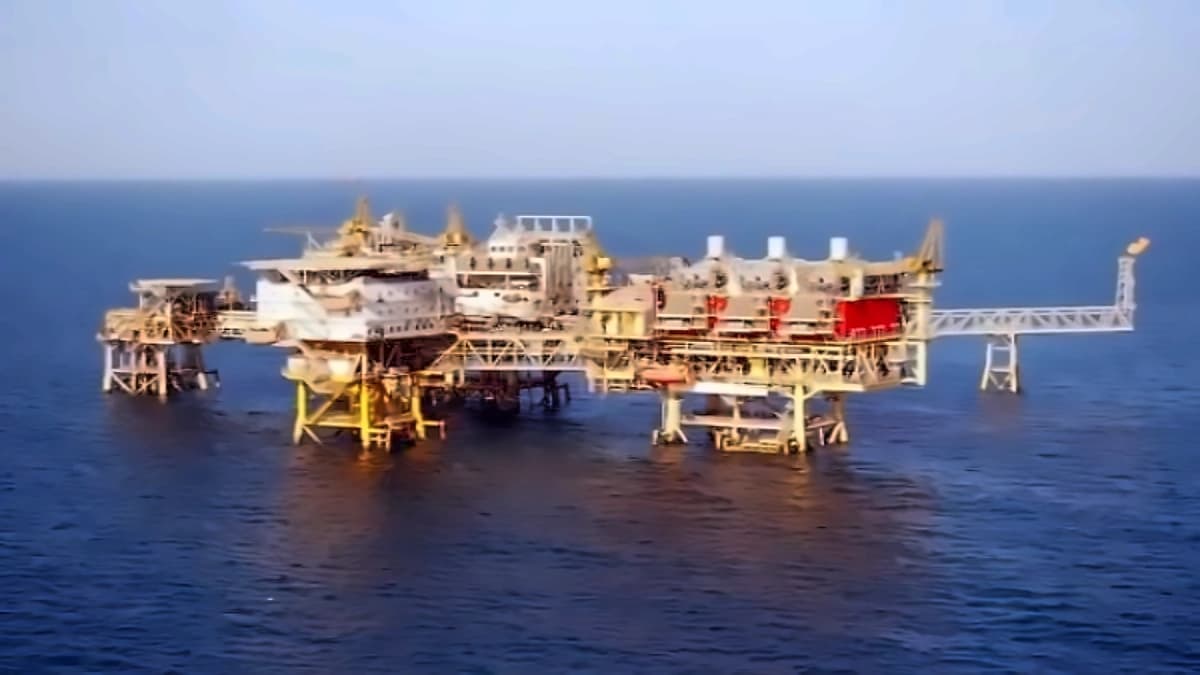
Despite India's record Russian oil purchases, the country has significantly reduced its overall crude imports to manage costs. According to The Hindu, June crude oil imports at 18.2 million metric tonnes were down 16.5% compared to May 2026 and 13% lower than in June last year. However, elevated crude oil prices this year meant the oil import bill was still 40% higher than in June of last year. The strategic shift has been driven by India's need to balance energy security with cost management, as the country cannot quickly cut back on Russian oil sources at a time when supplies through the Strait of Hormuz remain constrained. This approach demonstrates India's calculated response to the evolving sanctions landscape while maintaining essential energy supplies.
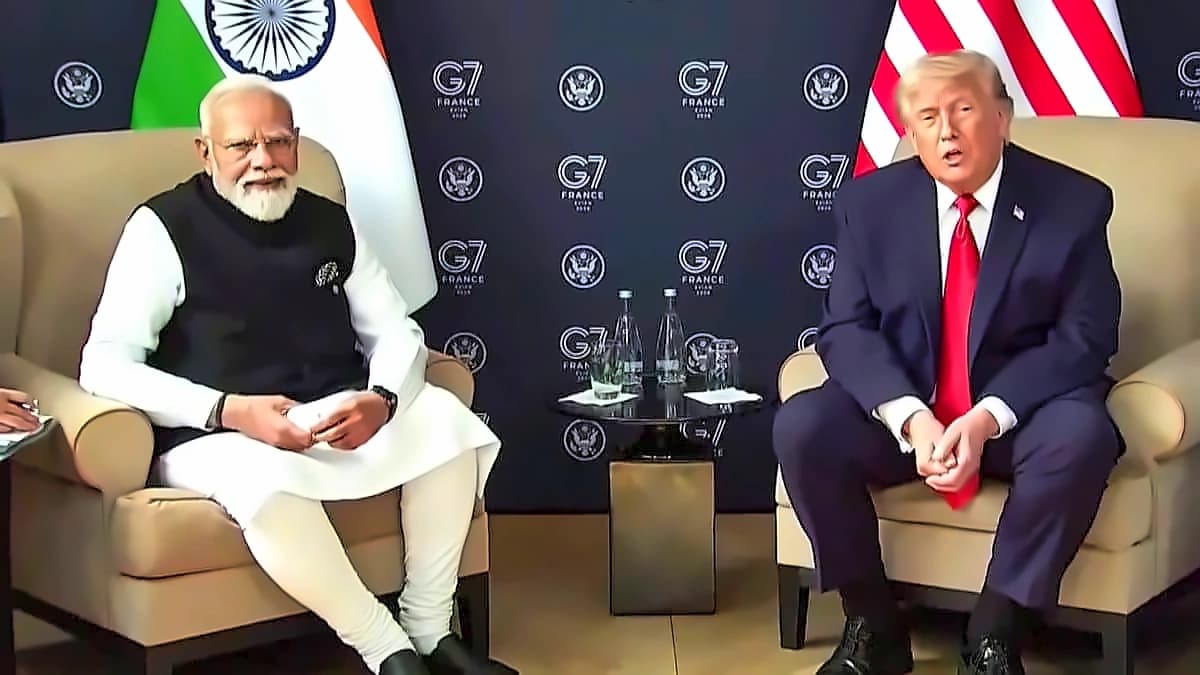
US presidential counsellor Peter Navarro has indicated that President Trump and Prime Minister Narendra Modi will resolve the tariff issue through direct diplomatic channels. When asked about the Lindsey Graham bill's potential impact on India-US trade negotiations, Navarro stated that "the President and your Prime Minister have a very good working relationship. They are going to work that out amongst themselves, and it's not for me to get between that." As reported by ANI, Navarro declined to comment on the bill's trade impact, suggesting that the administration views the matter as a bilateral diplomatic issue rather than a unilateral trade enforcement action. The bill still requires passage by the US House of Representatives before becoming law, and the proposed 100% figure represents maximum tariff authority rather than an automatic duty.
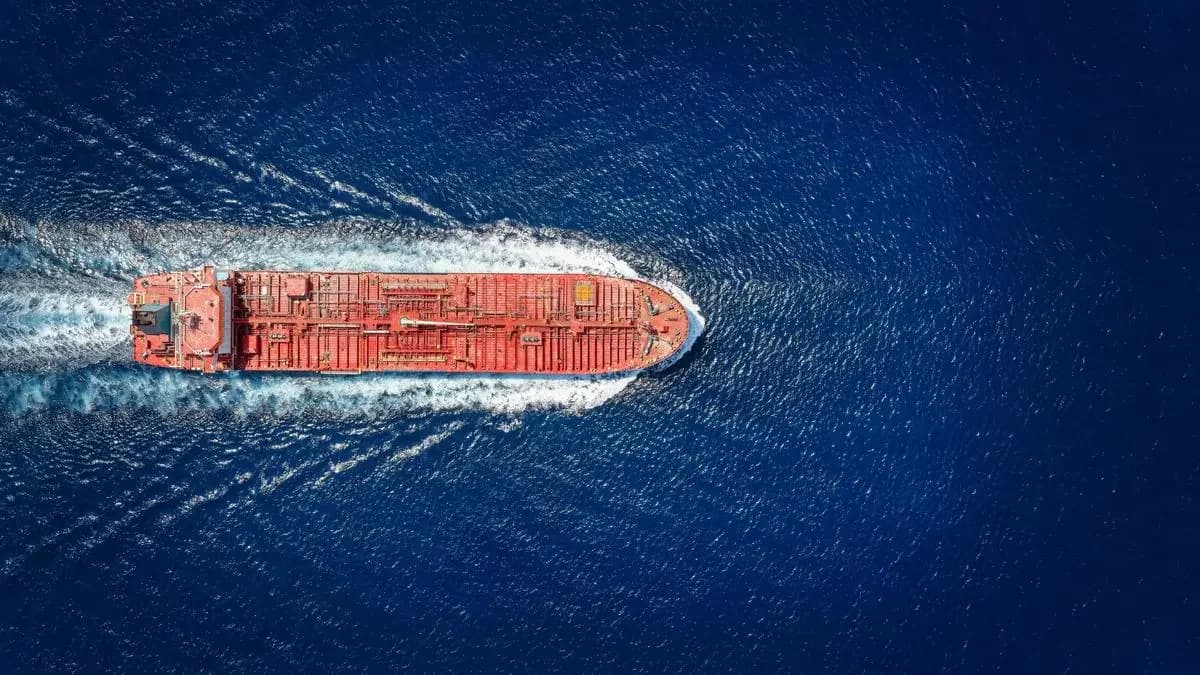
The Ministry of Petroleum and Natural Gas has implemented specific measures to preempt any sanctions exposure, as reported by The Hindu. "It [sanctions exposure] was pre-empted through ship-to-ship transfer operations in international waters via the Red Sea route through Yanbu and Fujairah precisely so that a single choke point, or a single sanctions regime, could not halt India-bound cargo," the ministry stated in a clarificatory note sent to The Hindu in late July. This strategic approach demonstrates India's proactive response to potential sanctions risks while maintaining essential energy supply chains. The ministry's statement suggests India is taking measures to ensure its energy security is not compromised by any single sanctions regime or chokepoint.
Beyond Russia, the United Arab Emirates (UAE) also saw its share in India's oil imports rise to historic highs, with India sourcing 17.5% of its oil imports by volume from the UAE in June 2026 and 18% by value, according to The Hindu. This diversification strategy reflects India's efforts to reduce dependence on any single supplier while maintaining energy security. The premium Russia has charged India for its oil has been steadily declining, from $77.7 per tonne in April 2026 to $10.6 per tonne in June, as reported by The Hindu. Russia had been providing India a discount until as recently as February 2026, indicating the evolving nature of energy trade dynamics amid geopolitical tensions.