Raja Krishnamoorthi, a Democrat from Illinois, was the only one of the six Indian-American members of the US House of Representatives to vote in favour of legislation imposing tougher sanctions on Russia. According to reports from India Today, the other five Indian-American lawmakers - Ro Khanna, Pramila Jayapal, Ami Bera, Shri Thanedar and Suhas Subramanyam - voted against the bill based on their positions. The vote took place on September 16, when the House approved the Senate-amended legislation by 262-159.
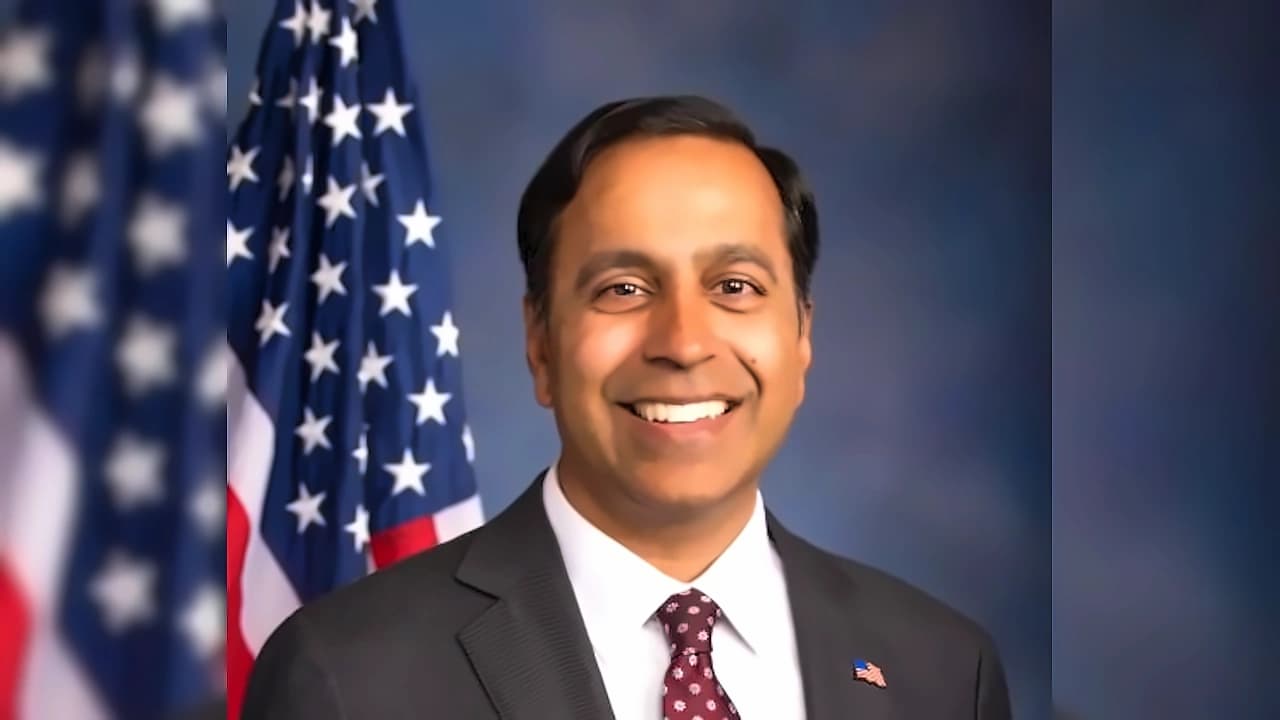
As reported by Reuters, Krishnamoorthi was among 58 House Democrats who voted for the bill, while 152 Democrats voted against it. On the Republican side, 203 lawmakers voted in favour and seven against. The legislation, formally called the 'Lindsay O. Graham Sanctioning Russia and Iran Act of 2026', or H.R. 5334, was signed into law by US President Donald Trump on September 18, according to the White House.
According to The Economic Times, Raja Krishnamoorthi represents Illinois' 8th Congressional District and has served in the House since 2016. He is a Democrat and has served on several House panels, including the House Permanent Select Committee on Intelligence, the Select Committee on the Strategic Competition Between the United States and the Chinese Communist Party, and the Committee on Oversight and Government Reform. As reported by India Today, his vote stood out among Indian-American lawmakers because all six Indian-American members of the House are Democrats, yet he was the only one to support H.R. 5334.
According to Reuters, India remains one of the major buyers of Russian crude oil following Russia's invasion of Ukraine in 2022. Russian oil has accounted for more than 40 per cent of India's overall oil imports at various points. New Delhi has defended its purchases on energy security grounds, arguing that it needs reliable and affordable supplies for its population and economy. The new US law could put additional pressure on India's trade relationship with Washington because the US is a major market for Indian exports, though the law gives the president the authority to impose tariffs without automatically imposing a 100 per cent tariff on India. India's Congress party has criticised the Modi government's foreign policy as 'appeasement' after the US House passed the bill, with Congress claiming recent domestic concessions like UPI transaction fee reductions stem from US pressure.