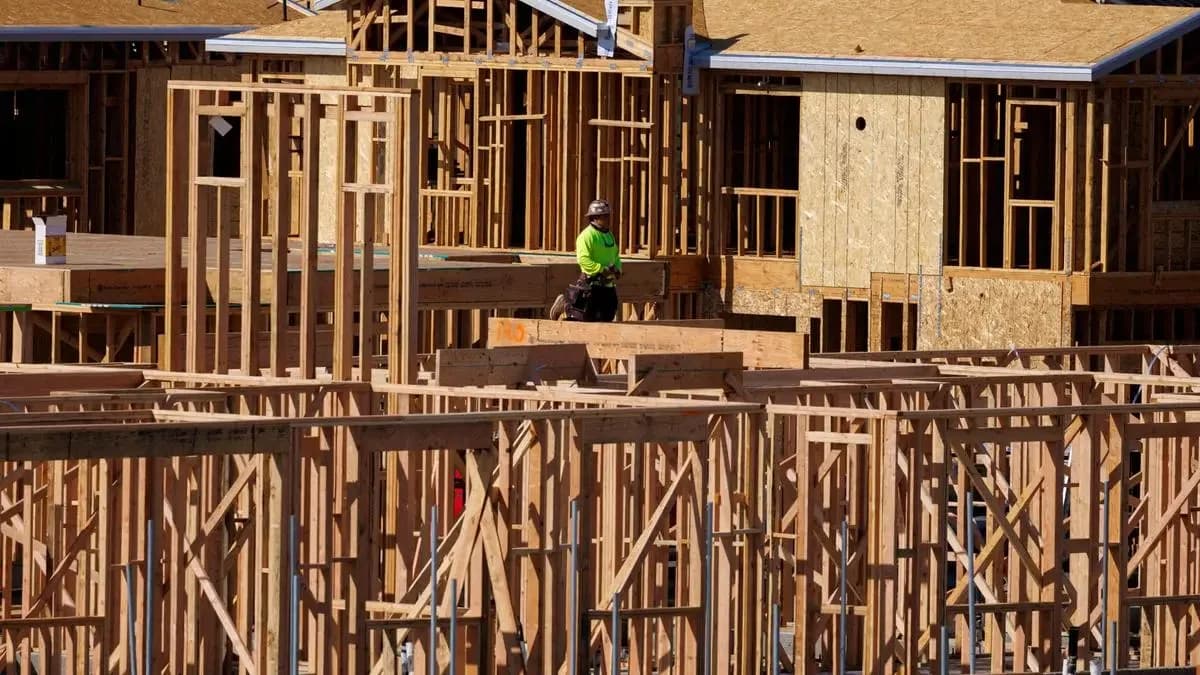
The average long-term US mortgage rate climbed to 6.75% this week, marking its highest level since July and representing the sharpest weekly increase in mortgage rates since April 2025. According to Redfin, this represents the sharpest weekly increase in mortgage rates since April 2025, when the bond market suffered similar stress after President Trump announced plans for sweeping tariff increases. The rate increased from 6.36% last week, though it remains below the 6.86% level recorded a year ago. As reported by The Times of India, turmoil in the bond market, fueled by the war with Iran, is sending US mortgage rates higher and threatening to make buying a home even more expensive. The 15-year fixed-rate mortgage rate also rose to 5.85% from 5.71% last week, with a year ago's rate at 6.01%. When mortgage rates rise, they can add hundreds of dollars a month in costs for borrowers, reducing their purchasing power significantly.
The benchmark 10-year Treasury yield has climbed 23 basis points in a week and has risen more than 60 basis points since the start of the U.S.-Israel-Iran conflict, reflecting heightened inflation and geopolitical concerns. According to Reuters, investors holding mortgage-backed securities (MBS) have been forced to sell government debt and Treasury futures to manage growing risks tied to rising rates and slowing mortgage refinancing activity. The selloff in Treasuries accelerated after stronger-than-expected April inflation data led markets to reassess expectations for Federal Reserve policy. Investors who had earlier anticipated rate cuts are now increasingly pricing in the possibility of another Fed hike this year. The impact of these hedging flows became particularly visible earlier this week, with market participants reporting unusually large block trades in Treasury futures, especially in five- and 10-year maturities, where convexity effects are most concentrated.
The yield on the US 10-year Treasury note climbed sharply this week to the highest level in more than a year as investors grew increasingly worried that rising oil prices and the war in Iran could cause persistently higher inflation. Prices rose 3.8% in April, the highest level since May 2023, according to the latest Consumer Price Index data released last week. For the first time in three years, Americans' wages didn't outpace inflation, according to the report. Mortgage rates loosely track the 10-year Treasury yield, which moves in the opposite direction to bond prices. The yield on the US 10-year Treasury note was at 4.6% in midday trading Thursday, up from 4.47% a week ago and significantly higher than 3.97% in late February before the war broke out. Before the outbreak of the Iran war, average mortgage rates briefly dropped below 6% for the first time in more than three years, with home buyers who locked in mortgages then potentially seeing significant savings compared to buyers locking in a loan today.
The recent rise in borrowing costs has weighed heavily on housing activity, with mortgage applications for new home purchases falling 2.4% from a year ago, according to April data from the Mortgage Bankers Association. Much of the decline was caused by a sharp drop in home purchase applications. Compared to March 2026, applications plunged by 10%. Existing home sales rose just 0.2% between March and April, after dropping by 3.6% the prior month, according to the National Association of Realtors. The increase in borrowing costs has also led more buyers to turn towards adjustable-rate mortgages (ARMs), which accounted for nearly 10% of mortgage applications last week, the highest level since October. For a $450,000 home, monthly payments would climb from approximately $2,154 at 5.98% to roughly $2,278 at last week's average rate, adding up to an extra $1,488 per year or more than $44,640 over the life of the loan.
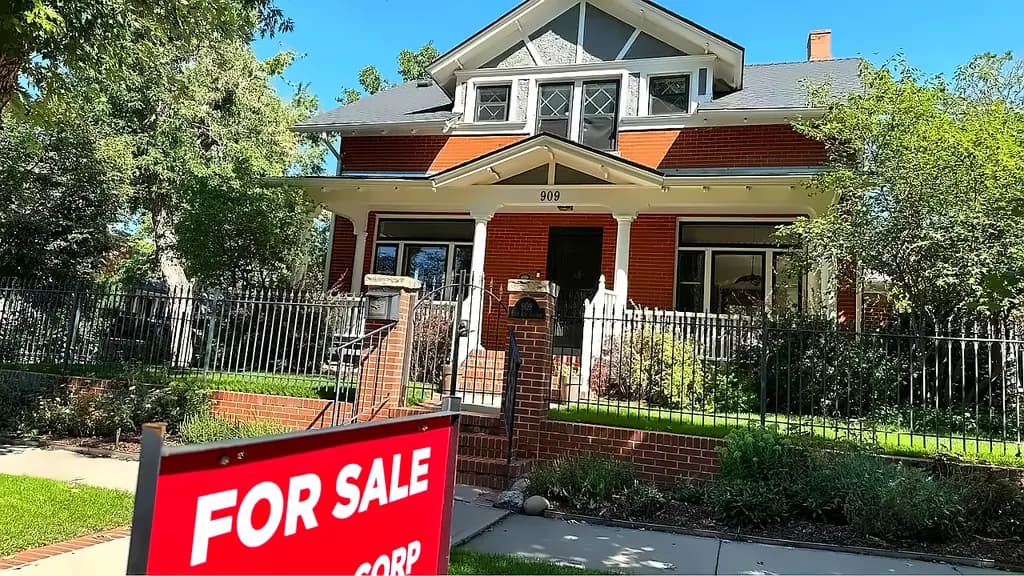
Despite the challenges, prospective buyers continuing with purchases are seeing some favourable trends, including more properties on the market than a year ago and data showing home listing prices have started falling in many metro areas, especially in the South and Midwest. However, higher borrowing rates and economic anxiety stemming from the Middle East conflict is starting to seep into the housing market. As reported by Redfin's Chen Zhao, "Higher mortgage rates are scaring off some buyers, but that's opening the door for others. It's already a buyer's market, and this week's jump in mortgage rates may give house hunters with stable incomes another opportunity to negotiate a home's price down and get concessions from sellers." The median asking price increased 1.4% year over year, while sellers may consider "coming soon" approaches like Redfin Early Access to test pricing strategies and gauge interest before formally listing on the MLS.