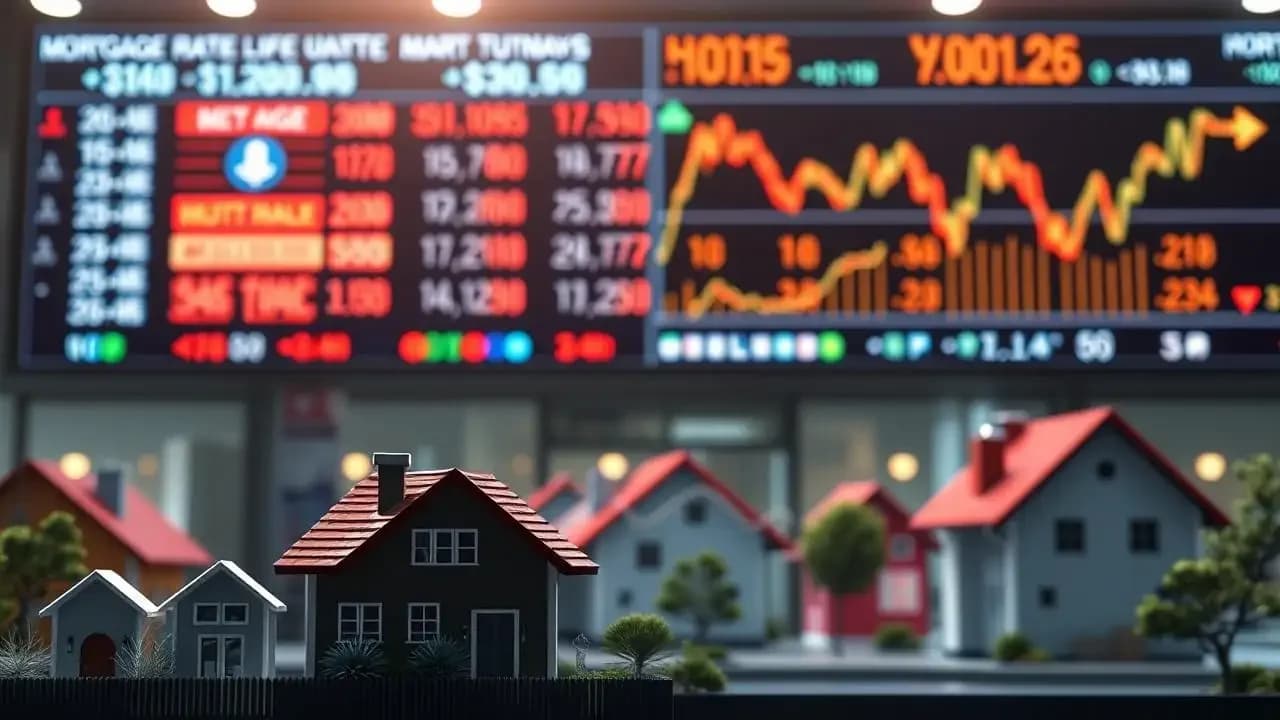
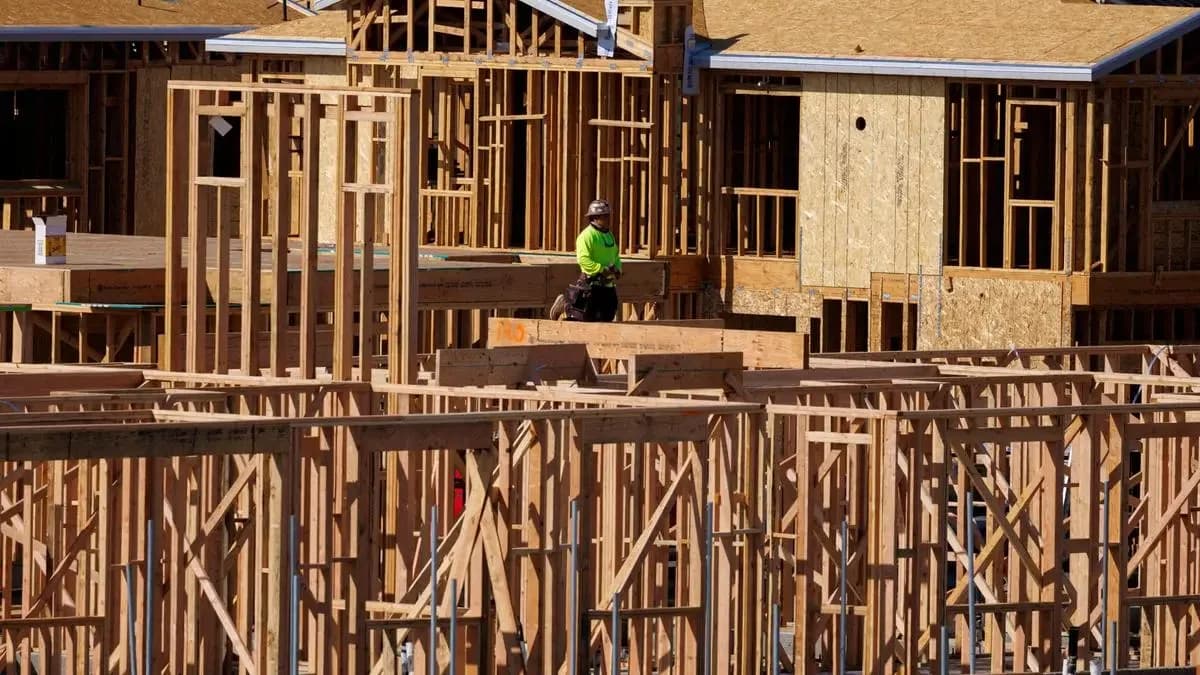
The average long-term US mortgage rate has climbed for the fifth consecutive week, reaching its highest level in nearly seven months and adding to affordability challenges for homebuyers during the crucial spring housing season, according to reports from The Times of India and CNN. The benchmark 30-year fixed mortgage rate rose to 6.46% from 6.38% last week, mortgage buyer Freddie Mac said. A year ago, the average rate stood at 6.64%, meaning current rates are still lower than a year ago but significantly higher than recent lows. The last time the average rate was higher was on September 4, when it was recorded at 6.5%, as reported by The Times of India. Just five weeks ago, the average rate had dipped to just under 6% for the first time since late 2022, but it has since reversed course. The recent surge comes as stock and bond markets hang on to President Trump's every word, taking positive turns on hints that the Middle East war is soon to end only to spiral when he warns of an escalation, according to Mortgage Bankers Association reports. During the last week of February, before the US-Israeli attack on Iran, the average 30-year mortgage rate was 5.98%, highlighting the dramatic impact of the recent conflict.
The uptick comes as surging oil prices linked to the Iran war have heightened concerns around inflation, creating additional pressure on mortgage costs, according to The Times of India. The increase comes at a particularly challenging time for homebuyers as they navigate the spring housing season, when demand typically peaks but supply remains constrained. Meanwhile, borrowing costs on 15-year fixed-rate mortgages, commonly used for refinancing, also edged higher, with the average rate rising to 5.77% from 5.75% last week, compared with 5.82% a year ago, Freddie Mac said, as reported by The Times of India. Freddie Mac chief economist Sam Khater emphasized that "with spring home buying season in full swing, aspiring buyers should remember to shop around for the best mortgage rate, as they can potentially save thousands of dollars by getting multiple quotes." Kara Ng, senior economist at Zillow Home Loans, warned that the mortgage-rate shock, fueled by bond market turmoil linked to the war in Iran, could stall the spring housing market if the conflict drags on. "If the situation resolves quickly, it'll be early enough in the home shopping season for catch-up activity," Ng said, adding that the longer the war drags, the more homebuyers could push off until next season.
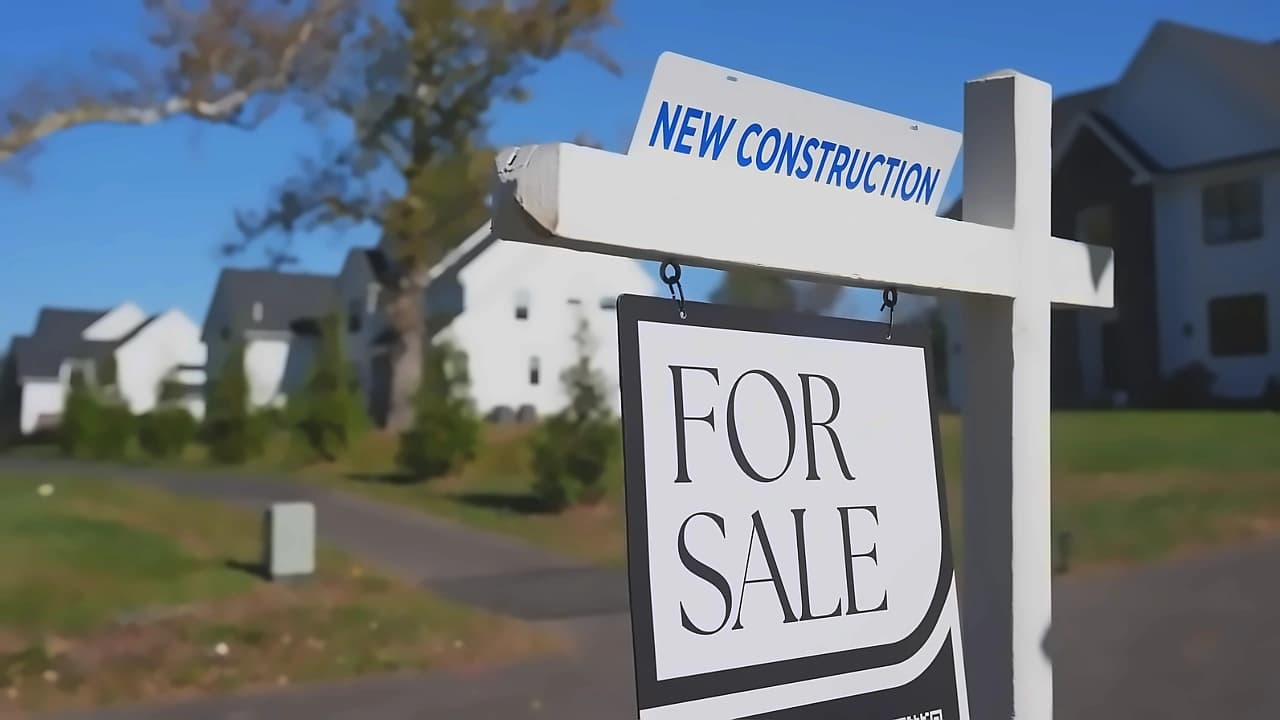
Rising mortgage rates can significantly increase monthly payments for buyers, often adding hundreds of dollars in costs and limiting purchasing power in an already strained housing market, according to The Times of India. The recent ramp up in rates makes it tougher for prospective homebuyers, threatening to put a damper on home sales during what's traditionally the busiest time of the year for the housing market. Recent volatility in mortgage rates appears to be giving buyers and homeowners pause, with purchase applications falling 3% last week and refinance applications dropping 17%, according to the Mortgage Bankers Association. The jump in mortgage rates has made borrowing money for a home notably more expensive - for example, on a $450,000 home with a 20% down payment, a buyer who locked in a 30-year mortgage in February would pay about $1,346 less per year than someone securing a loan this week, amounting to $40,000 over the life of the loan. The Mortgage Bankers Association reported that overall home loan applications fell by more than 10% again this week, led by a steep drop in refinances, with refinance application volumes declining 17% and down more than 40% compared to last month.
Mortgage rates are influenced by several factors, from the Federal Reserve's interest rate policy decisions to bond market investors' expectations for the economy and inflation, according to Newsday. They generally follow the trajectory of the 10-year Treasury yield, which lenders use as a guide to pricing home loans. The 10-year Treasury yield was at 4.3% in midday trading on the bond market Thursday, down from 4.42% a week ago, but up from just 3.97% in late February before the Iran war sent oil prices soaring. Higher oil prices raise expectations for higher inflation, with Treasury yields climbing as inflation concerns mount. Markets have been volatile as investors weigh whether higher oil prices could reignite inflation, with the war pushing the average price Americans are paying for gas to more than $4 for the first time since 2022. Faster inflation, in turn, could lead the Federal Reserve to keep interest rates on hold longer – or even to hike rates. Traders are now trying to gauge how long the energy spike may last. As long-term bond yields rise, that pushes up mortgage rates, and higher inflation could also keep the Fed from cutting interest rates. However, Realtor.com senior economist Jake Krimmel notes that "new listings jumped more than 20% from February to March, above the historical seasonal norm, and that's an encouraging sign of seller confidence," suggesting potential momentum for the spring season despite rate headwinds.
The housing market has been in a slump since 2022, when mortgage rates began to climb from pandemic-era lows, with sales of previously occupied U.S. homes essentially flat last year and stuck at a 30-year low, according to Newsday. Sales have remained sluggish so far this year, declining in January and February versus a year earlier. The recent ramp up in rates has already led to a slowdown in mortgage applications, with applications falling 10.4% last week from the previous week, according to the Mortgage Bankers Association. Speaking to students at Harvard University on Monday, Fed Chair Jerome Powell signaled the central bank may hold rates steady as officials assess the economic fallout from the war-driven global energy shock. "We will eventually face the question of what to do here," Powell said, in response to questions about energy prices. "We're not really facing it yet, because we don't know what the economic effects will be." Despite the challenges, the headwinds of higher rates are being offset somewhat by the buyer's market in many parts of the country, as noted by MBA economists.