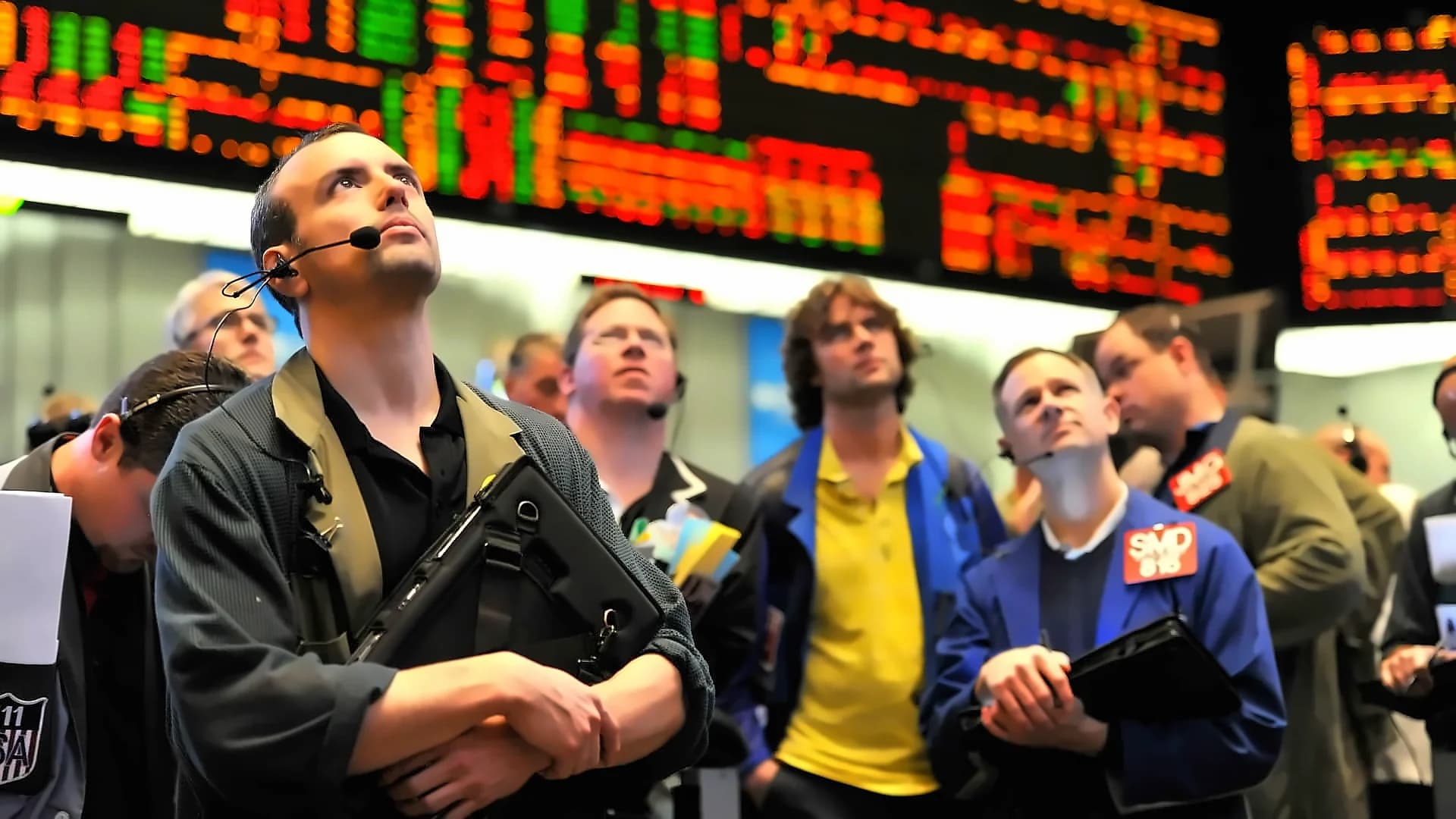
The Democratic sweep in US elections is prompting investors to reassess the artificial intelligence trade, with money moving away from semiconductor stocks and towards hyperscalers, according to Citi Research. Scott Chronert, Managing Director and Head of US Equity Strategy at Citi Research, explained that concerns over increased scrutiny and possible restrictions on AI infrastructure and data centre build-outs have triggered this market positioning shift. As reported by CNBC TV18, Chronert noted that if investors are concerned about potential moratoriums on AI buildouts, this creates implications for the entire infrastructure play, initially negative for semiconductors but positive for companies already possessing AI compute capacity. However, Goldman Sachs head of European equities trading Rich Privorotsky presents a more optimistic outlook, advising fund managers that "the micro remains strong, electoral uncertainty has diminished and positioning looks considerably cleaner."
The shift is being driven by concerns over the financing of massive capital expenditure required for AI infrastructure. According to Citi Research, if the pace of AI build-outs slows, investors are reassessing companies that had benefited from expectations of sustained spending. As reported by CNBC TV18, Chronert described this as a sentiment-driven repositioning rather than a fundamental breakdown in the AI story, pointing to stronger action in hyperscalers and software companies and weaker performance in semiconductors. The impact is also being felt across the broader supplier ecosystem, with markets having already priced in strong improvement for component suppliers to AI build-outs in 2026 and 2027. Goldman Sachs strategist Privorotsky notes that "AI plays have derated, short positions must now be monetized" and suggests the upshot of the elections could be to actually accelerate capital expenditure rather than deter it.
Much of the investor attention in the runup to Tuesday's vote was focused on whether a Democrat victory would curb the proliferation of data centers, with particular emphasis on the governor race in Texas where about a quarter of all data centers were planned. The defeat of Republican candidate and incumbent Greg Abbott by Gina Hinojosa implies a potentially more restrictive regulatory environment. However, Privorotsky suggests that corporate decision makers may bring forward capital deployment to 2027 to take advantage of current permitting and strategic transactions before the planning regime adjusts. He notes that in 2029, a new president might oversee tax changes, more administrative oversight and scrutiny of mergers, prompting hyperscalers to simply get a move on with their expansion plans.
Despite the current market repositioning, Chronert maintained that the longer-term fundamentals of the AI trade remain intact. According to Citi Research, demand for AI computing capacity continues to exceed supply, and even if the pace of capital expenditure moderates, the underlying supply-demand dynamics remain constructive. As reported by CNBC TV18, he noted that potential restrictions or delays in AI and data centre projects could stretch the investment cycle but were unlikely to end it altogether. For investors tracking the supplier ecosystem, Citi Research identified the Philadelphia Semiconductor Index as a key indicator for monitoring these developments.