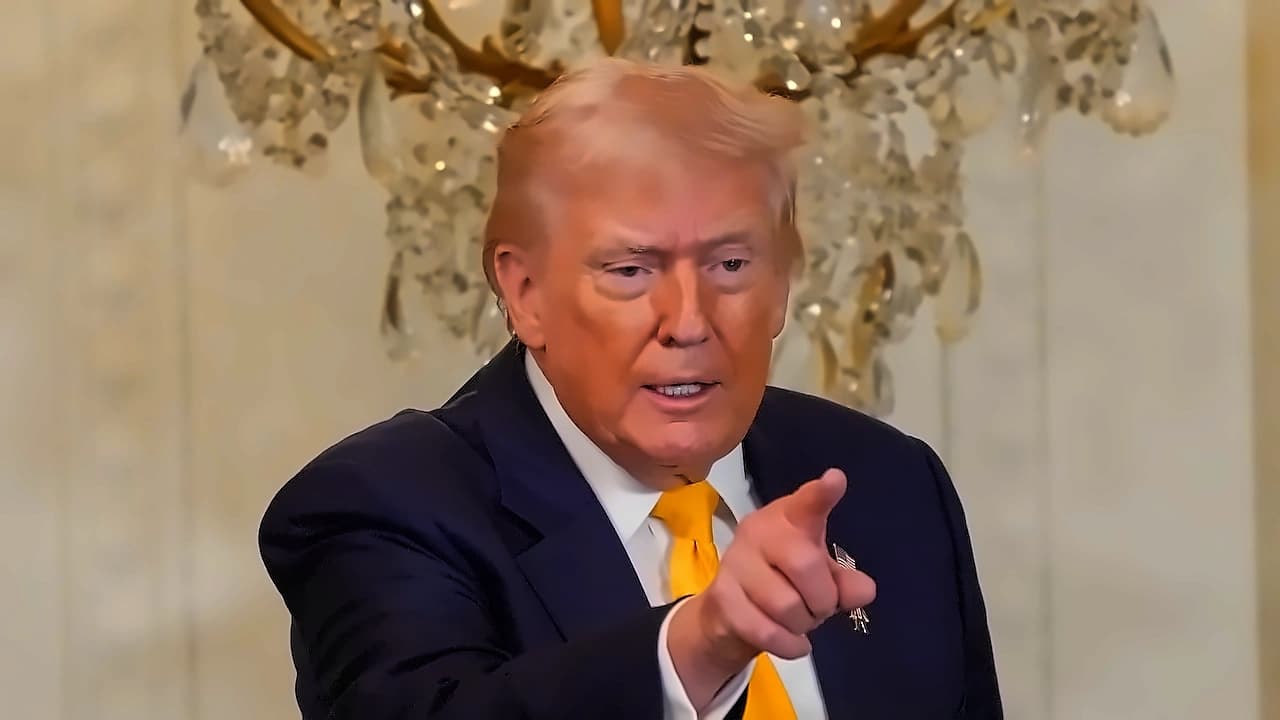
Federal Reserve Chair Kevin Warsh renewed his inflation-fighting credentials in a speech Friday that opened the door to potential rate hikes in the coming months. In doing so, Warsh has put more pressure on the central bank to increase interest rates when it next meets in mid-September if inflation doesn't improve. The government's next price report, to be released just days before the meeting, could play an outsize role in determining whether the central bank acts. Warsh noted that he and other Fed officials who supported keeping rates unchanged at their July 28-29 meeting "thought the wiser course was to await new information in the intermeeting period ... before deciding whether a change in interest rate policy was advisable." However, he also said that such evidence hasn't emerged — even as gas prices have come down somewhat, underlying inflation hasn't "meaningly improved." Warsh was particularly blunt in his assessment, stating that "financial conditions didn't look restrictive enough to him" and that recent benign inflation readings hadn't convinced him the trend was improving meaningfully. As per Investing.com, Warsh's speech caused odds of a hike at the September 16th meeting to rise from 35% to 57% within an hour of his remarks.
The latest US jobs report delivered a 23,000 decline in nonfarm payrolls for July, representing a stark miss against the consensus forecast of an 80,000 gain, according to the Bureau of Labor Statistics. However, the unemployment rate edged down to 4.1% from 4.2% in June, providing the Federal Reserve with a mixed-but-stable backdrop that allows officials to maintain their focus on inflation without rushing to cut rates. Private sector employers added 30,000 jobs, but this modest figure was more than offset by a 53,000 job loss in government positions. Average hourly earnings also increased slightly, meaning workers who kept their jobs continue to see some wage growth. The latest data shows payroll growth has largely stalled out since December 2024, with growth averaging less than 28,000 per month over that period, with most gains coming in March through May 2026. Since December, the labor force has grown by 2.4 million people, while the number of jobs has grown by only 540,000, representing about a fifth of labor force growth.
Warsh provided his most extensive comments yet about an inflation surge that has soured most Americans on the economy and kept price increases above the Fed's 2% target. He noted that inflation has been broad and not just a result of higher gas prices stemming from the Iran war. PCE inflation sits at 3.7% year over year, with core measures also elevated, according to Investing.com. Warsh disaggregated all 199 components of the PCE basket and found 54% of goods and services rose above 3% over the past year, down from post-pandemic highs near 77%, but still well above the 32% average of the two decades before the pandemic. Warsh argued that inflation wouldn't necessarily fall back to 2% on its own, suggesting he doesn't consider inflation to be a result of just one-time shocks, such as tariffs, that will fade over time. This view is shared by the three Fed officials who voted in favor of rate hikes at the central bank's last meeting in July.
By sending such signals, Warsh has raised expectations for a hike next month, which could erode his credibility if inflation stays high and he doesn't follow through. "You are basically setting yourself up so that if you don't hike in September, people may ask what's going on," said Adam Posen, president of the Peterson Institute for International Economics. However, the market response was mixed, with longer-term interest rates — including those on the 10-year Treasury note — barely rising after Warsh's comments, suggesting that investors were reassured that the Fed would bring down inflation over time. The average rate for a fixed 30-year mortgage is 6.66%, according to Freddie Mac, slightly higher than a year ago. Warsh's speech caused shorter yields to rise while longer yields fell, flattening the yield curve, which is what a credible inflation-fighting message would be expected to do: reassure long-duration holders while raising the odds the Fed holds or hikes at the next meeting rather than cuts. The next critical data point arrives September 4, when the August employment report drops, which will provide further insight into the Fed's policy direction.
The July report was not the only piece of sobering news for the labor market. A preliminary benchmark revision published August 28 trimmed nonfarm employment estimates by 79,000 jobs, or roughly 0.1%, over the twelve months ending March 2026. Earlier revisions to May and June payroll figures shaved a combined 103,000 jobs from prior estimates, indicating the labor market weakness may be more persistent than initially thought. The curious difference in the labor market is the participation rate, which has fallen by 1.1% to 62.4%, though this decline is largely attributed to a "statistical population-control revision" the BLS made in January that accounts for 43% of the decline, and another 41% due to aging population with older workers participating less as more baby boomers retire. The St. Louis Fed reports that there has been a sharp drop in the number of prime-age workers 25 to 54, which accounts for the remaining piece of concern.