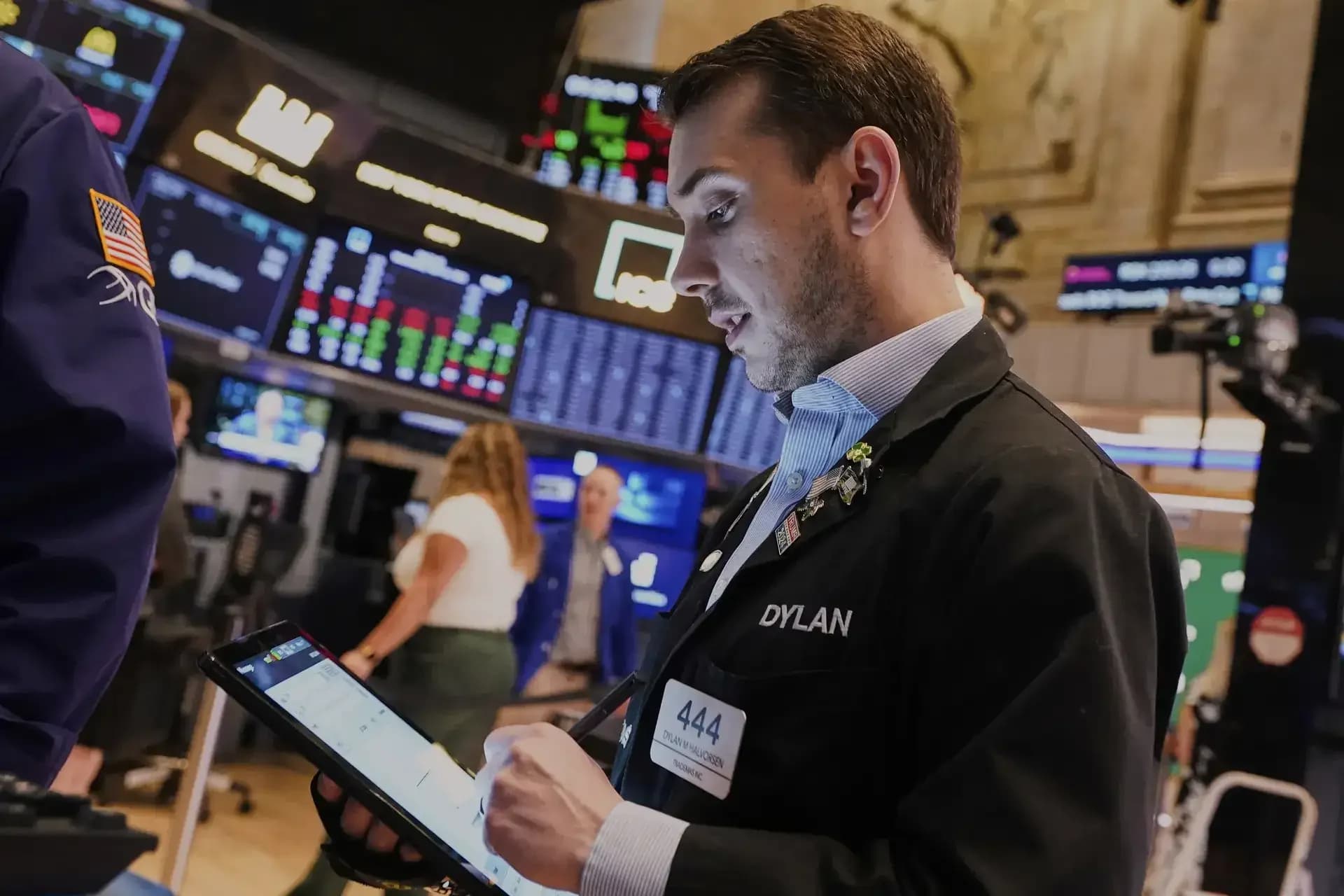
The S&P 500 closed at a record high of 7,757.64 on Friday, gaining 0.62% for the day and 3.58% for the week, while the Nasdaq Composite jumped 1.30% to 26,690.62, posting its biggest weekly gain of 5.19% since mid-April. The Dow Jones Industrial Average rose 0.28% to 54,036.93, with small-caps significantly outperforming large-caps as the Russell 2000 gained 1.10% to 3,034.49. According to Reuters, this unusual market reaction reflects investors treating the weak jobs data as a rate-policy tailwind rather than a growth warning. 85.1% of S&P 500 companies reporting so far have beaten earnings estimates, providing additional support for the rally.
James Knightley, Chief International Economist at ING, expects the Federal Reserve to keep interest rates on hold well into next year rather than resume hikes. Speaking to CNBC TV18, Knightley noted that weak US jobs data and two benign inflation readings have reduced expectations of a rate hike, though upcoming jobs and inflation data, along with the Jackson Hole symposium, leave plenty to play for. He explained that since the June FOMC meeting when Kevin Warsh was more hawkish than anticipated, with nine committee members suggesting rate hikes this year, market expectations about Fed hawks have ebbed away. Knightley believes the weakness in jobs numbers is unlikely to turn around imminently, supporting his view that the Fed will instead instigate a prolonged pause well into next year.
CME FedWatch-implied odds of a September Fed rate hike dropped to about 42%, down from 67% just a week earlier and 55% in the prior session. As reported by Reuters, this dramatic shift follows government data showing that the U.S. economy lost 23,000 jobs in July, while the unemployment rate edged down to 4.1% from 4.2% in June. The decline in the jobless rate was largely driven by workers leaving the labour force rather than stronger employment growth. U.S. interest-rate futures moved to price the odds of a rate increase at the Federal Open Market Committee's September 15-16 meeting at below 50%, compared with earlier expectations that a hike was more likely than not. The 10-year Treasury yield eased to around 4.64%, while the more rate-sensitive 2-year yield slipped to roughly 4.19–4.20%.
The latest BLS employment report reveals concerning trends beyond the headline job loss figure. The economy has now averaged a mere 20,000 net job growth per month over the last three months, indicating a significant slowdown from previous periods. More troubling, the BLS revised May and June jobs down by a combined 103,000 jobs, suggesting the spring pickup in job growth is stalling. Labor force participation fell to 61.4%, its lowest level in more than five years, meaning the unemployment rate declined not because hiring picked up but because people left the workforce. As reported by Investing.com, this represents a fundamental shift in labor market dynamics that could reshape Fed policy considerations.
Traders lean toward caution with the CME Group's FedWatch tool showing the odds of a September hike falling to 42% after July's report. The 30-year Treasury yield sits near 5.25%, mirroring levels seen after the Fed's rate hold that backfired on bond markets earlier this year. BofA's Bhave warns that skipping a hike now risks leaving those long-end yields unanchored if inflation reaccelerates. Not every economist agrees with BofA's hawkish call, as Wells Fargo chief economist Tom Porcelli has argued the Fed should hold rates through 2026, creating a direct clash between major financial institutions. Bhave doubts the Fed will move in October, just before the midterm elections, instead expecting the first hike in September with a possible delayed start in December.