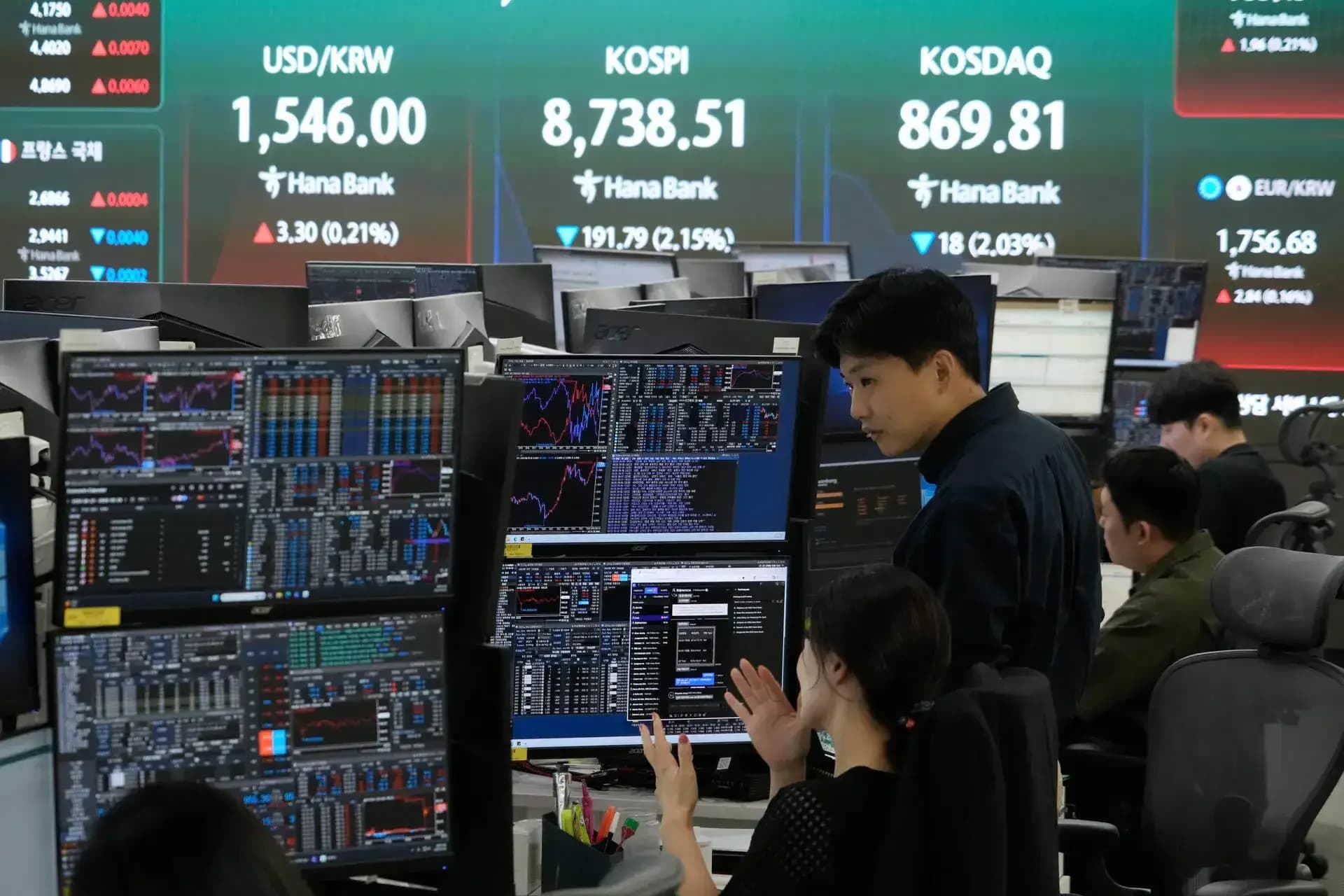
The Trump administration on Wednesday placed additional sanctions on Iran as part of a sprawling economic pressure campaign during the war, targeting the country's newly created agency that is trying to control shipping through the Strait of Hormuz. The move, first reported by The Associated Press, is the latest U.S. effort to use economic leverage on top of military action to push Iran's leadership into an agreement to end the war and open the waterway where a fifth of the world's oil normally passes. President Donald Trump has said a deal is imminent, but talks are ongoing. As Treasury Secretary Scott Bessent stated, "The Iranian military's latest attempt to extort global maritime trade is proof that Economic Fury has left the regime desperate for cash." The sanctions target Iran's Persian Gulf Strait Authority and any person or entity cooperating with the agency, announced earlier this month, that approves transit in the strait and charges tolls that could reach as high as $2 million per vessel.
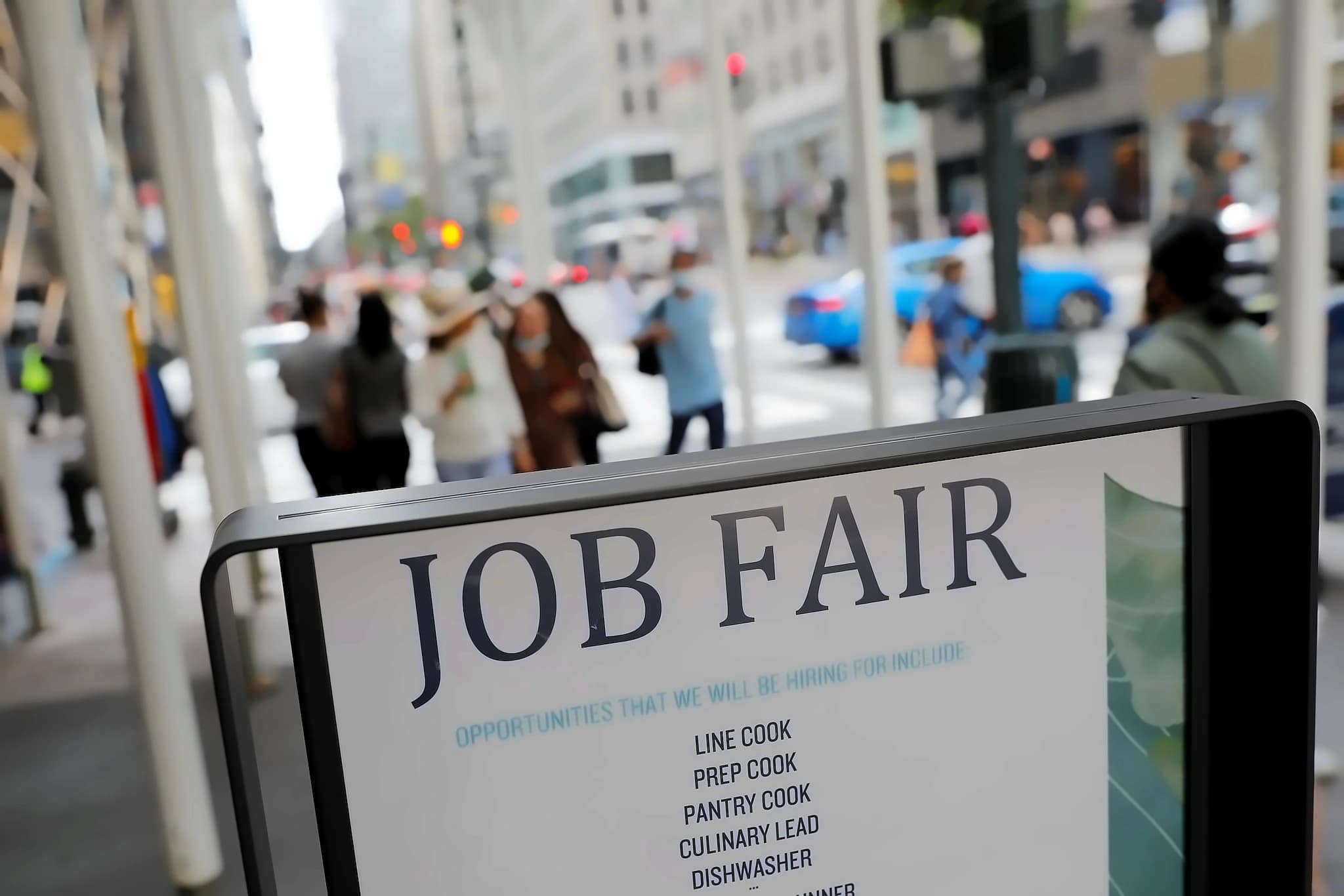
US jobless claims increased to 215,000 for the week ended May 23, up from 210,000 the previous week, according to the Labour Department report released on Thursday (May 28). The four-week moving average of claims rose by nearly 6,300 to 209,000, reflecting week-to-week volatility in the labor market. Despite this increase, the number of Americans signing up for unemployment benefits has stabilized in a historically low range of 200,000 to 250,000 per week since the US economy emerged from the brief pandemic recession in 2020. The latest claims data came in slightly above expectations but remained within this year's 190,000–230,000 range, signaling continued labor market resilience despite mounting economic pressures. As Carl Weinberg, chief economist at High Frequency Economics, noted, "Initial claims are still impressively low, near historic lows. The uptick from last week to this week is trivial in a labor market of 159 million workers." Bloomberg Economics analyst Eliza Winger noted that the underlying trend remains firm: "Initial jobless claims continue to run below year-ago levels. Expectations of AI-driven automation and heightened geopolitical uncertainty haven't had a meaningful impact on weekly unemployment insurance claims activity so far."
The Iran war has significantly disrupted global energy markets, with Iran responding to US and Israeli attacks by closing the Strait of Hormuz, through which a fifth of the world's oil passes. According to AAA data, US gasoline prices have surged to an average of $4.43 per gallon from $2.98 per gallon on the eve of the conflict, representing the biggest disruption of global oil supplies in history. This energy price shock has clouded the economic outlook as higher energy prices squeeze both consumers and businesses across the country. The ongoing US-Israel war with Iran has also lifted prices for commodities including oil and fertilizers, adding to inflation pressures that are already affecting the broader economy. The Iranian chokehold on the strait has caused worldwide energy shocks and followed the U.S. and Israel launching the war on Feb. 28. Prices have spiked for oil, gas and related products, and experts say it would take several weeks or even months for shipping and prices to recover once the waterway reopens.
Job creation has shown modest improvement this year, averaging 76,000 jobs per month from January through April, compared to 122,000 jobs per month in 2024. However, this remains significantly below the nearly 400,000 jobs per month average from 2021 through 2023 as the economy recovered from COVID-19 lockdowns. The persistently low number of jobless claims suggests that most US companies have not resorted to layoffs, though employers haven't been adding many jobs either, with companies adding fewer than 10,000 jobs per month last year, the weakest hiring outside recession years since 2002. Recent college graduates are entering a difficult job market, with some of last year's graduates remaining unemployed. The United States now needs fewer jobs to keep the unemployment rate from rising due to President Donald Trump's immigration crackdown and ongoing Baby Boomer retirements, meaning the monthly "break-even rate" of hiring may be as low as zero.
The Conference Board survey released on Tuesday shows a mixed view of labor conditions, with the share of households saying jobs are plentiful falling to the lowest level since February 2021, while the share saying jobs are hard to get drops to a seven-month low. Continuing claims increased by 15,000 to 1.79 million for the week ended May 16, overlapping with the survey period for May's unemployment rate, which is expected to hold steady at 4.3%. The unemployment rate has remained low by historic standards despite current challenges, with the monthly break-even rate of hiring potentially as low as zero. Layoffs remain generally subdued outside high-profile job cuts by technology companies tied to artificial intelligence, though uncertainty persists after last year's broad import tariffs and amid ongoing economic pressures. The rising energy prices and other costs stemming from Iran's effective closure of the strait have heaped political pressure on Trump and other Republicans ahead of the midterm congressional elections.