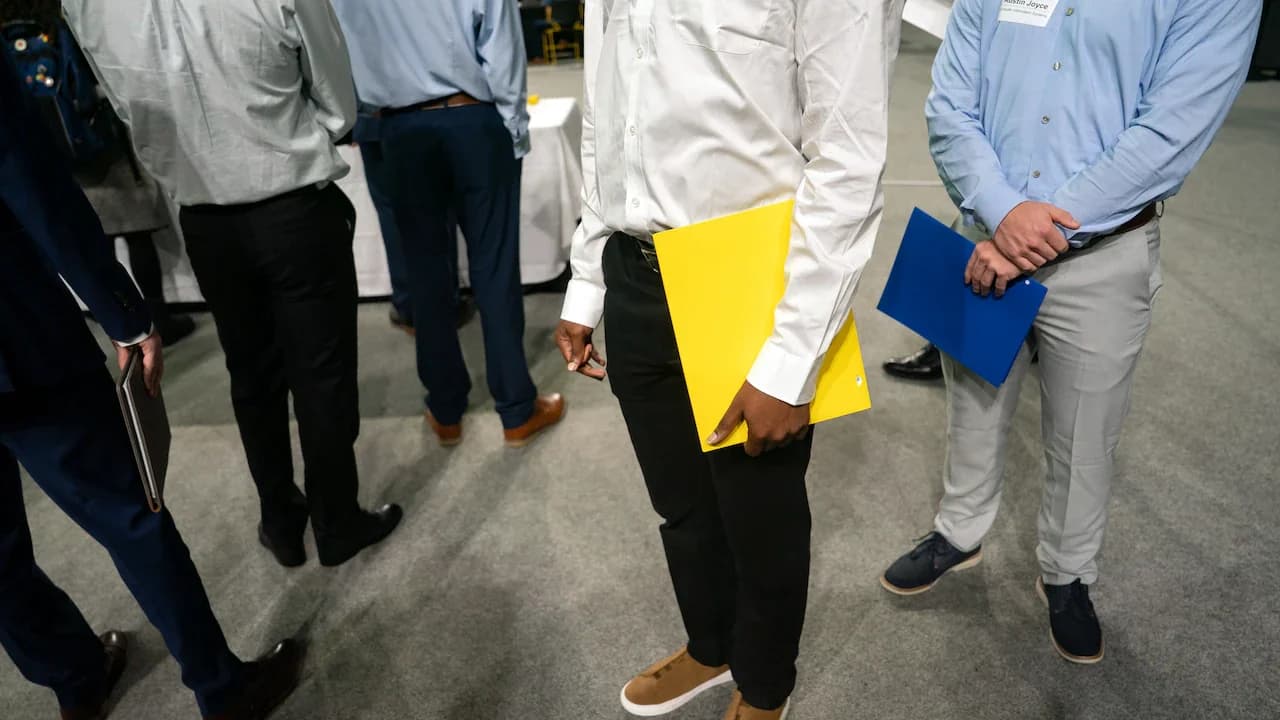
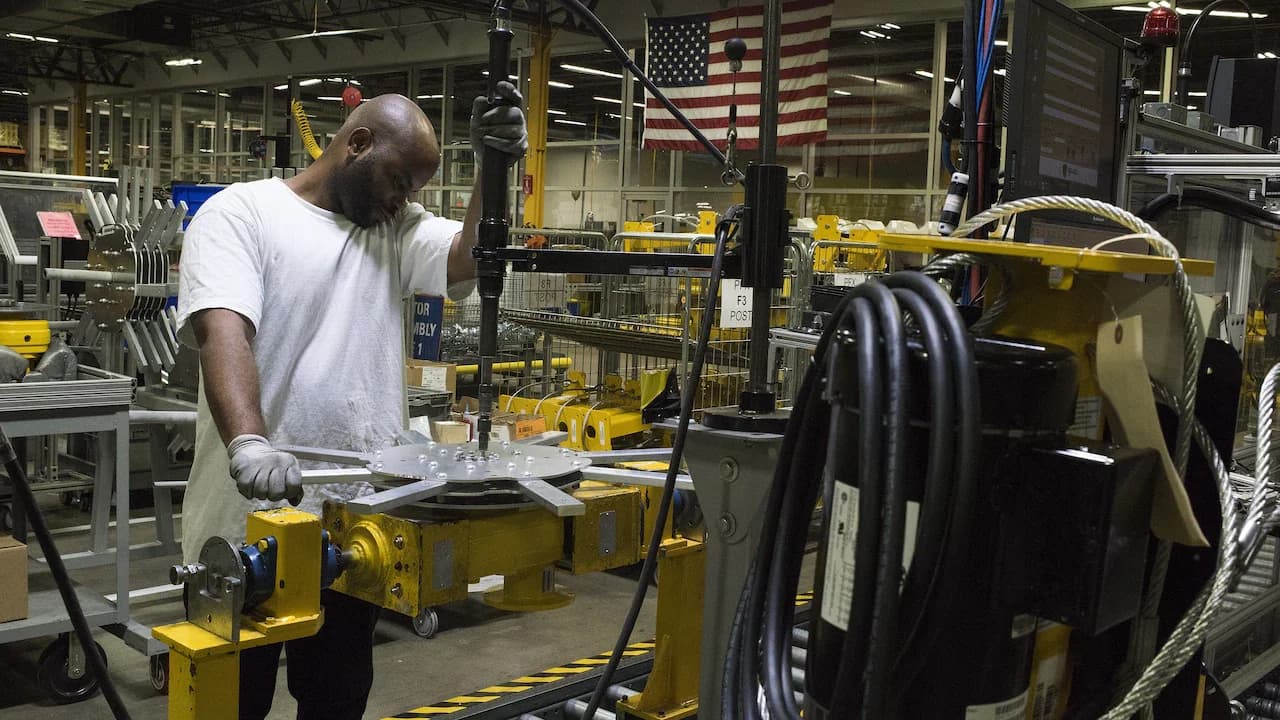
US initial jobless claims unexpectedly rose to 229,000 in the week ended June 6, marking the highest level since February 2026, according to Labor Department data released Thursday. The increase of 4,000 claims from the previous week's unrevised level of 225,000 came in firmly ahead of the FactSet median forecast of 216,000 claims, signaling potential labor market softness. Continuing claims, which serve as a proxy for the number of people receiving benefits, also rose to 1.8 million in the prior week, though this represented a 24,000 decrease from the previous week's level. Despite concerns that the conflict in the Middle East could further squeeze a flagging labor market, hiring has picked up in recent months following a miserable 2025 that saw fewer than 200,000 job gains.

The increase in claims comes as the US economy faces mounting headwinds from rising inflation, elevated interest rates and uncertainty linked to the ongoing conflict involving Iran, as reported by AP. The government reported Wednesday that rising gas prices — triggered by the closure of the Strait of Hormuz off Iran's southern border — pushed U.S. consumer inflation in May to 4.2%, its highest level in three years. Despite recent declines, prices for oil and gas remain elevated, which can squeeze consumers' budgets and make businesses think twice about hiring. With inflation well above the Federal Reserve's 2% target, most analysts expect officials at the U.S. central bank to stand pat on its benchmark interest rate when they meet next week, though lower interest rates can boost the economy and hiring, but also tend to stoke inflation.
Despite the uptick in jobless claims, US employers delivered a surprising 172,000 new jobs in May and the economy is averaging 188,000 job gains in the three months since the Iran war began in late February, according to the latest Labor Department data. That's the best three months of hiring since early 2024. The unemployment rate remains historically low at 4.3%, and hiring has averaged about 76,000 jobs per month between January and April, reflecting a rebound from last year's slowdown. Job openings also rose in April as employers posted 7.6 million vacancies, up from 6.9 million in March and the most since May 2024. However, hiring began slowing about two years ago and tapered further in 2025 due to President Donald Trump's tariffs, his purge of the federal workforce and the lingering effects of high interest rates meant to control inflation.
The increase in claims is attributed to typical volatility around school summer breaks and holidays, as reported by NDTV. New filings tend to be lumpy after the late-May Memorial Day holiday, which marks the unofficial start of the summer season in the US. Many schools break around that time as well, contributing to the increased claims activity. The advance seasonally adjusted insured unemployment rate remained unchanged at 1.2%, indicating that while claims increased, the overall unemployment situation remained relatively stable. The Labor Department's report Thursday showed that the four-week moving average of jobless claims rose by 4,250 to 219,000, which helps smooth out volatility and indicates a broader trend beyond temporary seasonal factors.
Despite the overall increase in claims, high-profile layoff announcements have mounted across the tech sector, with many companies citing artificial intelligence as they cut white-collar roles, as reported by NDTV. Among the companies that have cut jobs recently are Verizon, UPS, Amazon, Disney, Starbucks and Walmart. Employees in the industry typically receive severance packages and are less likely to immediately apply for benefits than other workers, economists say. This trend may be contributing to the current increase in initial claims, particularly as companies continue to adjust their workforce in response to AI-driven changes in the technology sector. Optimism over artificial intelligence has also injected a degree of uncertainty about the job market due to the investment required to develop it and because the powerful technology could alter or even replace some jobs.