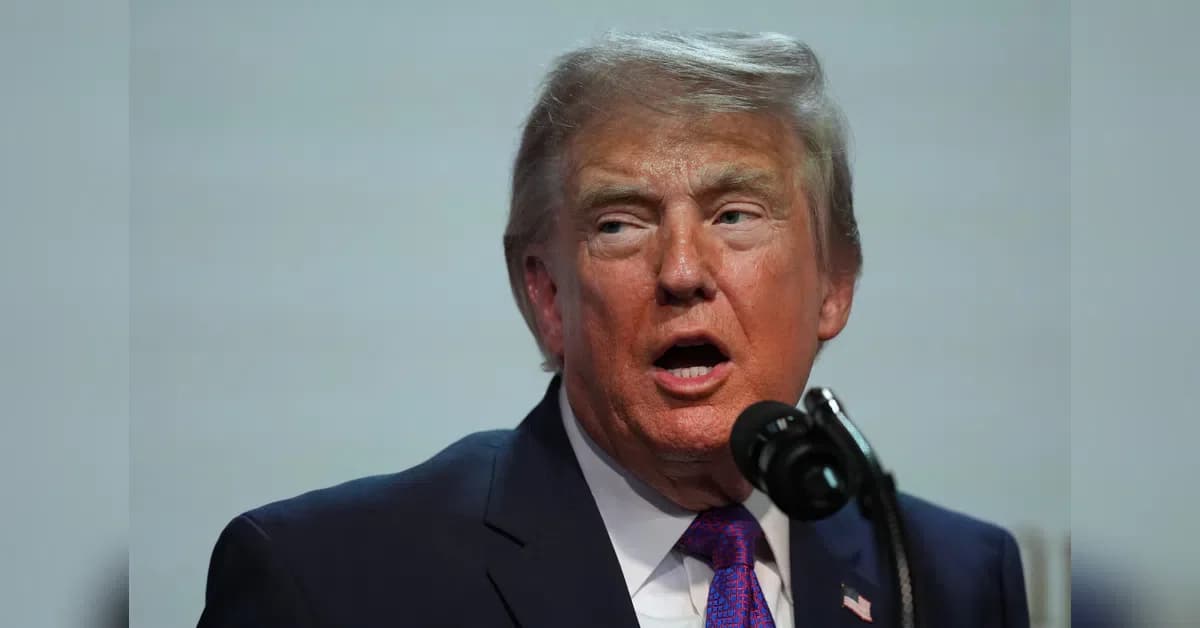
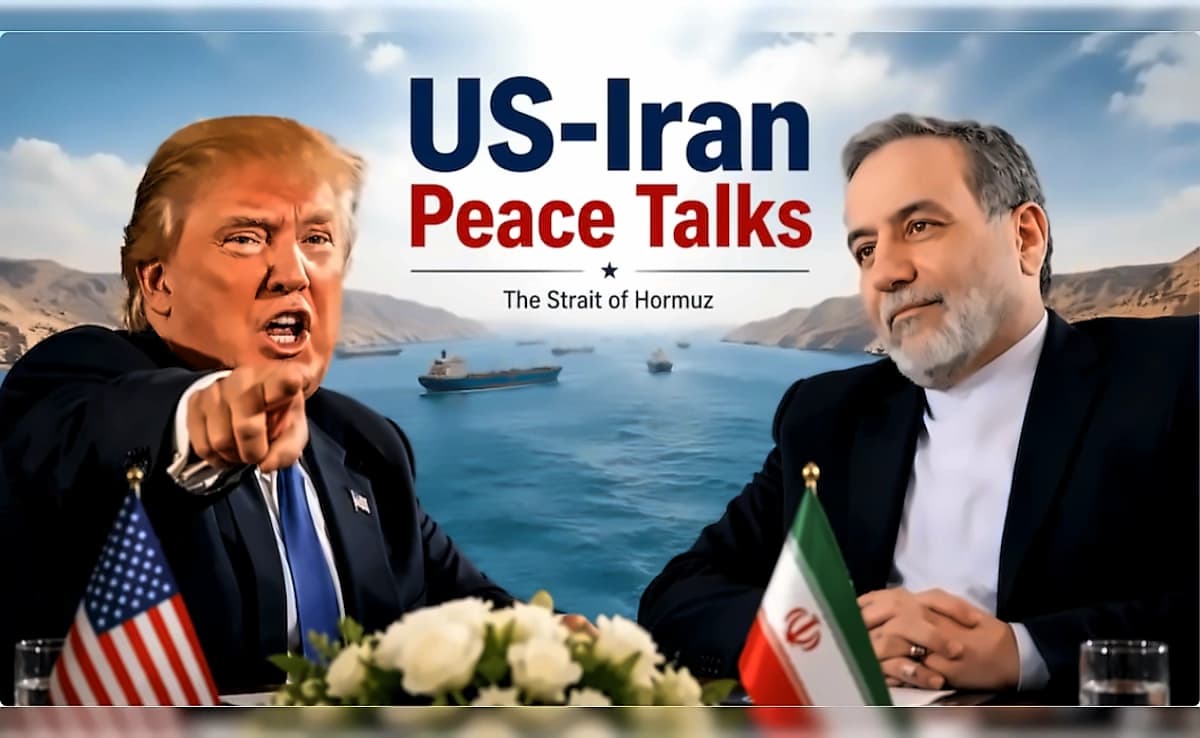
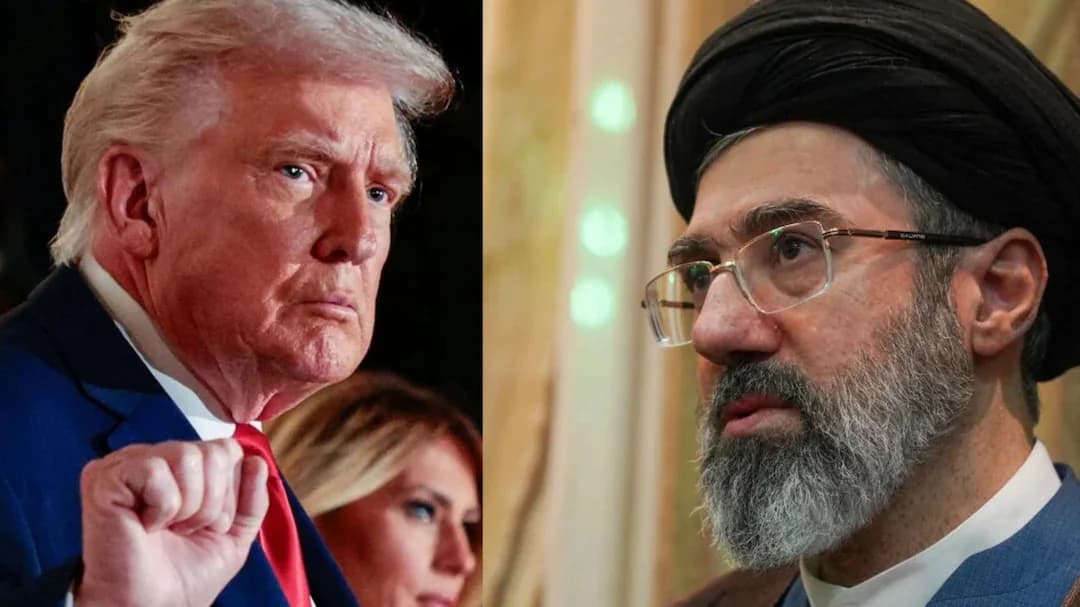
The United States and Iran have agreed in principle to a preliminary deal that would reopen the Strait of Hormuz and commit Iran to disposing of its highly enriched uranium, according to a senior US official speaking anonymously on Sunday. However, final approval by President Trump and Iran's Supreme Leader Mojtaba Khamenei could take days, as the deal has not yet been signed. The agreement represents a significant development after weeks of roller-coaster negotiations, with President Trump announcing on Saturday that the countries had "largely negotiated" a memorandum of understanding pertaining to PEACE. As per the latest reports, the framework would give negotiators 60 days to reach final deal points, though many fundamental issues remain unresolved. President Trump has said a deal is close but that a US naval blockade on Iranian ports will remain in place during the ongoing talks, with the official noting that "if Iran doesn't perform, they don't get anything. No dust? No dollars."
The most contentious issue remains Iran's nuclear stockpile of approximately 970 pounds of uranium enriched to 60 percent and roughly 11 tons of other uranium at various levels, according to the International Atomic Energy Agency. Three senior Iranian officials denied on Saturday that any nuclear matters had been agreed upon, with all nuclear issues to be negotiated within 30 to 60 days. A US official confirmed Sunday that the countries have agreed in principle to a deal including Tehran's commitment to dispose of highly enriched uranium, though the exact mechanism by which Iran would dispose of the uranium remains unresolved. The US official noted that Iran has agreed verbally to some kind of suspension of enrichment of new nuclear fuel, though the precise timeline and duration of any moratorium remains under negotiation. US negotiators have sought severe limits on Iran's ability to enrich uranium as well as the surrender of its existing stockpile of highly enriched uranium, estimated by the IAEA at 408 kilograms of uranium enriched to 60% – close to weapons grade. Iran has resisted sending its enriched uranium abroad, as the US has demanded, with state-linked Iranian media outlets insisting that a potential document to end the war includes no commitment to hand over stockpiles. Iran expert and cofounder of the Quincy Institute, Trita Parsi, noted that although the MoU did not include major substantive concessions from either side, it was at least a sign of willingness to move towards a broader deal, telling Al Jazeera that "the truth assessment of who blinked first will not come until we see what the final outcome is, after we spend another 30 days."
The Strait of Hormuz, a vital waterway for oil and gas shipments, has been effectively closed since the US-Israeli war against Iran began on February 28. According to Business Standard, Iran has struck commercial ships and halted traffic, causing a spike in energy prices worldwide. Under the proposed deal, Iran would allow ships to pass through the strait without payment, but the US would have to lift its blockade. Trump signaled Sunday that the US could end its naval blockade but noted it would remain in full force until an agreement is reached. The latest reports confirm that the deal would fully reopen the Strait of Hormuz, providing relief from what has been described as the greatest energy disruption in modern times. The framework agreement would make sure the strait is "de-mined and back open for business," though specifics on how the critical waterway would function going forward remain to be negotiated. The deal will reportedly allow Iran to resume the sale of oil and petrochemicals during the negotiation period without the risk of sanctions, with the US also lifting its counter-blockade of Iranian ports. Iranian officials say major disagreements remain, especially over the status of the Strait of Hormuz, with analysts noting that the acquiescence of Israel will be a key factor in deciding whether a deal can be reached, as Israel reportedly looks to scupper any agreement.
Iran seeks recovery of $25 billion in frozen assets under the proposed deal, as reported by Business Standard. However, the US official confirmed Sunday that the US is not currently offering to unfreeze any Iranian assets, though the US has indicated willingness to begin the process if Iran follows through on nuclear commitments. Trump has criticized former President Obama for releasing $1.7 billion in frozen Iranian assets in 2015 under the previous nuclear deal, which he pulled out of in 2018. The deal does not address Iran's demands to unfreeze billions of dollars of frozen Iranian funds, with the US official noting that these issues had not even been addressed yet, though he held open the possibility that those could be part of a trade agreement. Negotiators are also ironing out details on sanctions relief and unfreezing Iranian assets, according to the latest reports. Iran expert Trita Parsi suggested that if sanctions are lifted and the nuclear issue addressed, "it would likely be a bigger deal than the Obama agreement in 2015," telling Al Jazeera that "it would likely be a bigger deal than the Obama agreement in 2015."
Pakistan has emerged as a key mediator between Tehran and Washington amid the tense regional conflict, with Pakistan's Army Chief Asim Munir leading Islamabad's efforts. Munir met Iran's Foreign Minister Abbas Araghchi and the country's chief negotiator Mohammad Ghalibaf in recent days to discuss "preventing escalation" and ending the war, according to Iran's state news agency IRNA. Qatar officials also held talks in Tehran earlier this week to support the US in reaching a final deal with Iran, a source with knowledge of the visit told CNN. Despite the Qatari visit, Iranian Foreign Ministry spokesperson Esmail Baghaei confirmed Pakistani officials would still serve as the official mediators, with US Secretary of State Marco Rubio echoing this sentiment on Friday, saying that Pakistan continues to be "the primary interlocutor." Oman has also acted as a mediator between the US and Iran, notably as the host of US-Iran nuclear negotiations in Omani capital Muscat before the war broke out, with consultations between Iran and Oman to discuss the Strait of Hormuz ongoing. Academic Setareh Sadeqi noted that a message was sent to Trump that there is a clear regional desire to reach an agreement and make peace, but that the messaging has at times been contradictory, telling Al Jazeera that "we [are] seeing both parties say they are very close but very far, and that the military option is still on the table."
The current agreement represents an initial framework that would lead to further negotiations, rather than the final word, according to US officials. US Secretary of State Marco Rubio said Monday that negotiations are "still a work in progress" during a visit to India, noting there was "a pretty solid thing on the table" in terms of Iran's ability to open up the Strait of Hormuz and enter into "a real significant time limited negotiation on nuclear matters." Rubio added that the potential agreement has a lot support from Gulf states and globally, and reiterated that President Trump "is not in a hurry" and "is not going to make a bad agreement." House Speaker Mike Johnson said the deal with Iran would help bolster the GOP in this year's midterm elections by lowering gas prices, which have skyrocketed since the war began. The "best news from this at-the-brink negotiation is that a conflict that easily could have spun further out of control appears to be de-escalating," with the choke point through which a quarter of the world's oil passes set to reopen. Iran expert Trita Parsi emphasized that the challenge for Trump is whether he can defy Israel's interests and push the deal through, telling Al Jazeera that "the challenge for Trump is whether he can defy Israel's interests and push the deal through, with Israel reportedly looking to scupper any agreement."