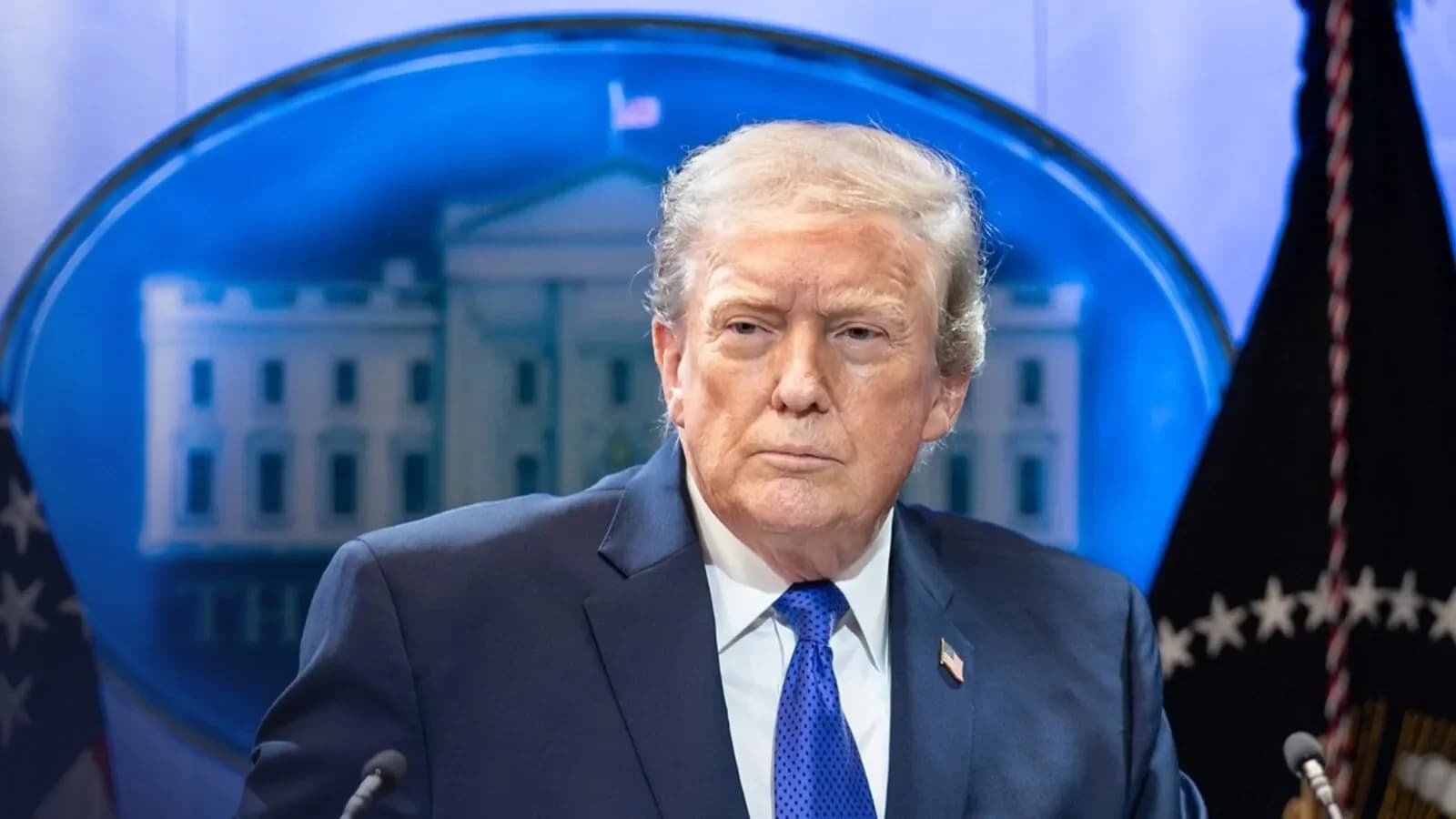
US stock indexes opened higher on Wednesday following President Trump's extension of the ceasefire with Iran. According to The Economic Times, the Dow Jones Industrial Average rose 122.1 points, or 0.25%, to 49,271.5 at the open, while the S&P 500 gained 38.9 points, or 0.55%, to 7,102.91. The Nasdaq Composite rose 202.3 points, or 0.83%, to 24,462.313, showing broad-based gains across major indexes. The positive opening came after Trump confirmed he would extend the Iran ceasefire until negotiations conclude, marking a significant shift from his earlier skeptical stance. However, uncertainty remains over whether Tehran and US ally Israel will honor the truce extension.

US stock market futures had regained strength on Wednesday as President Trump extended the Iran ceasefire just hours before its expiration. According to reports from Live Mint, S&P 500 futures rose about 0.7%, while Nasdaq Composite futures climbed 1% and Dow Jones Industrial Average futures added roughly 335 points or 0.7%. However, Wall Street experienced a mild sell-off during regular trading, with the Dow, S&P 500, and Nasdaq slipping around 0.6% despite futures attempting a rebound on hopes of de-escalation. The S&P 500 and Nasdaq Composite have hit record highs in recent days, even as oil prices remain near the $100-a-barrel mark, as investor sentiment has been supported by corporate earnings that have outpaced estimates so far.
Trump's announcement struck a markedly different tone from his earlier comments, as reported by Live Mint. Earlier this week, he said it was "highly unlikely" he would extend the two-week truce if an agreement was not reached before its expiry and also threatened to destroy Iran's power plants and bridges if negotiations fail. However, the announcement appeared to be unilateral, and it remains unclear whether Iran or US ally Israel will agree to the extension. While the US is holding off on fresh attacks, it is maintaining its blockade of the Strait of Hormuz, where shipping remains heavily disrupted. Trump claims the ongoing blockade is costing Tehran nearly $500 million a day, though Iran has dismissed the ceasefire as meaningless and warned that blocking its ports amounts to an act of war.
Crude oil prices gained momentum on Wednesday after renewed attacks on shipping near Iran. According to Live Mint, Brent crude surged 2% to $100.39 per barrel, while the US benchmark crude also rose by a similar 2% to $91.41 per barrel. Iran reportedly fired on three ships in the Strait of Hormuz on Wednesday, intensifying its assault on shipping in the key waterway crucial to global energy supplies and complicating already fragile efforts to bring the United States and Iran back to the negotiating table. However, crude prices are cooling off in recent trading, with Brent below $100 per barrel and WTI around $89, reflecting some market uncertainty. Goldman Sachs warns that if the Strait of Hormuz remains closed, oil flows through the waterway would normalize by mid-May, but if the closure persists, risks to prices and global demand rise sharply.
Despite geopolitical tensions, economic data remains resilient with US March retail sales surprising on the upside, rising 1.7%, signaling underlying consumer strength. However, bond yields are ticking higher, with the US 10-year nearing the 4.3% mark again, reflecting persistent macro pressure. Asian markets are largely subdued, with Japan's Nikkei edging up marginally while South Korea's Kospi declines. Investors have particularly rewarded stocks linked to the artificial intelligence trade, with semiconductor stocks continuing to lead and the Philadelphia Semiconductor Index eyeing a record winning streak. However, energy stocks remain under pressure due to higher fuel costs, with shares of United Airlines under pressure after the company cut its full-year profit forecast citing higher fuel costs.