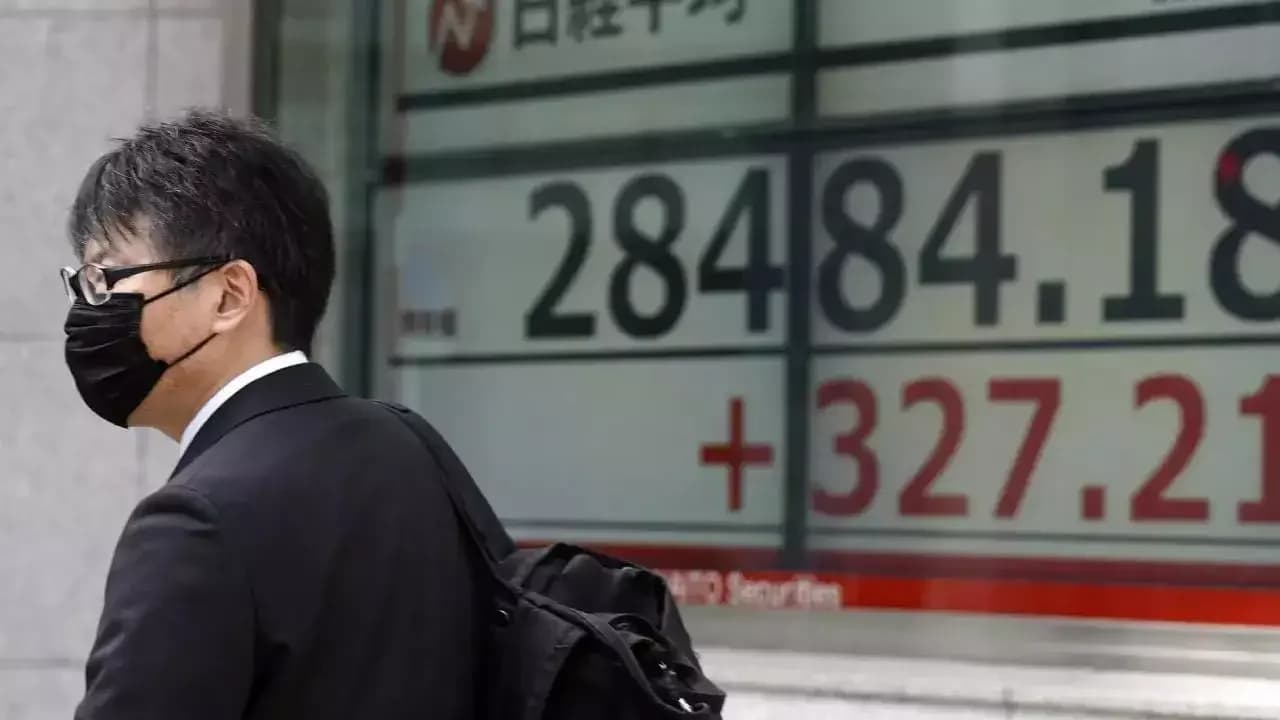
Asian markets experienced significant gains as oil prices remained steady following the US and Iran reaching a tentative deal to extend their ceasefire. According to reports from Bloomberg, West Texas Intermediate rose 0.3% to settle under $89 a barrel while Brent crude, the global benchmark, slipped to just below $94. This development eased concerns about energy flow disruptions that have curbed oil shipments since the war began. The MSCI Asia Pacific Index climbed 0.7% with gauges in Japan and South Korea advancing, as traders digested news that the US and Iran have reached a tentative deal to extend the ceasefire by 60 days and work toward a pact to end the war. However, recent developments show the situation remains volatile with US Vice President JD Vance confirming that "a couple of language points" are still under discussion and the deal still requires Trump's approval.
The memorandum of understanding would extend the ceasefire for 60 days and state that shipping through the vital Strait of Hormuz would be "unrestricted," without any tolls paid to Tehran. As reported by Axios, Trump still needs to approve the terms and has asked for "a couple of days" to decide. An agreement to extend the truce would represent a diplomatic breakthrough and potentially bring the US and Iran closer to resuming normal maritime traffic through the strait, which usually carries around a fifth of the world's oil and liquefied natural gas supply. Iran would have to remove all mines from the strait within 30 days under the preliminary agreement, but Tehran has not confirmed that it is prepared to sign the potential deal. The most difficult issues related to Iran's nuclear program still have to be worked out as part of the 60-day negotiation period, with sources indicating that the most difficult issues related to Iran's nuclear program still have to be worked out as part of those talks.
Optimism toward artificial intelligence stocks continued to boost equity markets, with Dell Technologies Inc. surging almost 38% in extended trading on its sales outlook. As reported by The Economic Times, this optimism helped the S&P 500 Index and Nasdaq 100 Index rally to record close, placing the S&P 500 on track for a ninth straight week of gains - a streak matched only four times since 1985. Asian shares are also set for a second week of gains amid the positive AI sentiment.
Despite the market rally, economic challenges persist with US consumer spending edging up in April, with annual inflation accelerating to the highest since 2023. According to The Economic Times, the economy expanded in the first quarter at a 1.6% annualized pace, slower than previously estimated. Higher energy costs have fueled price pressures, raising concerns the Federal Reserve would be forced to lift interest rates. Treasury Secretary Scott Bessent indicated that while teams have been going back and forth, Trump's three red lines remain necessary for a pact. The yen remained steady around 159.25 per dollar after Tokyo's key inflation gauge unexpectedly cooled for a sixth straight month.
The yen remained steady around 159.25 per dollar after Tokyo's key inflation gauge unexpectedly cooled for a sixth straight month. As reported by The Economic Times, during the US session, Treasury yields fell across the curve and the dollar weakened against all major developed-market currencies. Market analysts suggest that even a 60-day agreement should provide relief as serious supply dislocations approach rapidly, with the closure of the Strait of Hormuz since the war began curbing oil shipments. However, Ryan McKay, senior commodity strategist at TD Securities, remains cautious, noting that "regardless of if the deal is real, inventory declines are set to persist for months." The situation remains volatile with gas prices falling 3.3 cents on Thursday, the biggest single-day drop since the 2008 financial crisis, though they remain 49% more expensive than before the war started.