Wall Street's main indices posted gains on Friday as renewed hopes for US-Iran peace talks provided relief from escalating tensions that had weighed on markets earlier in the week. The Dow Jones Industrial Average rose 10.0 points, or 0.02%, to 49,320.29, while the S&P 500 gained 28.1 points, or 0.40%, to 7,136.48 and the Nasdaq Composite rose 178.1 points, or 0.73%, to 24,616.564, according to Livemint. The recovery came after Thursday's session saw the S&P 500 slip 0.4% after earlier hitting a fresh intraday high, while the tech-heavy Nasdaq Composite declined 0.9%, as reported by CNBC TV18. Sameer Samana, senior global market strategist at Wells Fargo Investment Institute, noted that "Our advice to investors would be not to read the headlines. While there are short-term, headline-driven sell-offs time and again, when cooler heads prevail and the market returns to looking at fundamentals, it sees what we see, which is a really strong economy and really strong earnings."
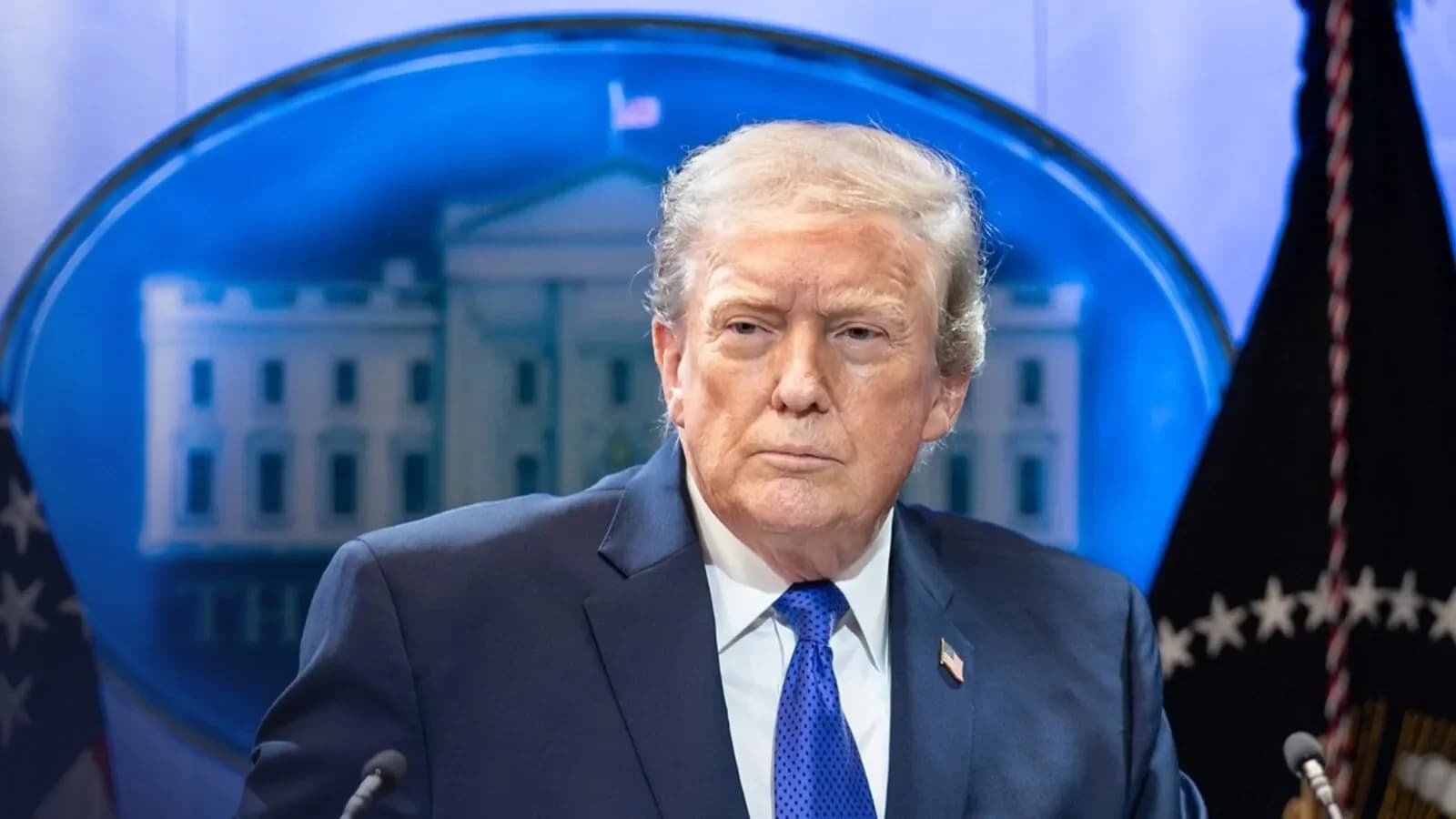
Iran has tightened control over the Strait of Hormuz while displaying its grip through video footage of commandos storming cargo ships, following the collapse of peace negotiations and U.S. President Donald Trump's indefinite extension of the ceasefire, as reported by Reuters. In a sharp escalation, Trump ordered the Navy to "shoot and kill any boat" laying mines in the strait, signalling a hardening stance, according to CNBC TV18. Reports also indicated that air defence systems in Tehran were activated to engage "hostile targets," pointing to rising military activity in the region. Iran's semi-official Tasnim news agency said there is currently no prospect of Iran participating in negotiations, with the country won't reopen the strait as long as the American naval blockade continues. This follows previous failed negotiations where both sides publicly bickered over agreement terms, with US officials saying Iran wasn't willing to accept limits on its nuclear program and Iranian officials arguing that the US had made unreasonable demands.
The earnings season has been largely strong so far, with 82.1% of the 123 companies that have reported earnings through Thursday morning topping analyst expectations, according to Reuters. However, IBM shares dropped 8% after the company beat estimates on both revenue and profit but disappointed investors by maintaining full-year guidance, as reported by CNBC TV18. ServiceNow shares fell 17% after the company flagged that the ongoing Middle East conflict impacted subscription revenue growth. The broader iShares Expanded Tech-Software Sector ETF (IGV) dropped roughly 6%, underscoring the pressure on the segment. Tesla shares also fell 2.6% after the company raised its annual spending plan to more than $25 billion. The S&P 500 information technology sector declined 0.3%, dragging both the Dow and Nasdaq lower, with Microsoft falling 3%, Palantir Technologies down 7%, and Oracle declining around 6%.
Oil prices holding above $100 a barrel continue to weigh on sentiment as concerns over a potential inflation spike persist. Brent crude settled above $105 per barrel after reports suggested that Iran's parliament speaker had resigned from the US negotiating team, raising fears of a more hardline stance from the Revolutionary Guard, according to CNBC TV18. In a post on Truth Social, Trump accused Tehran of posturing publicly while seeking relief privately, claiming that Iran was losing significant revenue due to the closure of the Strait of Hormuz. Trump wrote that Iran doesn't want the Strait of Hormuz closed, they want it open so they can make $500 million dollars a day (which is, therefore, what they are losing if it is closed!). The latest developments show that oil prices shot higher after reports of air attacks in Iran, with U.S. crude rising 3.11% to settle at $95.85 per barrel and Brent settling at $105.70 per barrel, up 3.10% on the day. Data on Thursday showed weekly initial jobless claims increased only marginally, but risks from higher prices due to the war could hamper the economy.
The S&P 500 posted 40 new 52-week highs and eight new lows, while the Nasdaq Composite recorded 120 new highs and 96 new lows, according to Reuters. Tesla shares fell 3.3% after the company raised its spending plan to more than $25 billion for the year. Car-rental company Avis Budget's shares slumped about 50% and were on course for their steepest two-day drop ever, after an eye-watering rally that was reminiscent of the "meme-stock" craze. Markets had rallied in recent weeks on hopes a resolution to the Iran war was on the horizon, along with expectations of solid corporate earnings, but gains have been harder to come by this week. The conflict, which has stretched into its eighth week, has killed thousands and triggered a global energy crisis, raising pressure on both sides to find an offramp. Scott Ladner noted that "the half-life of a headline-induced move is shortened quite a bit over the last probably two or three weeks," adding that "stocks are at all-time highs with oil up 40% over six weeks while a war is going on."