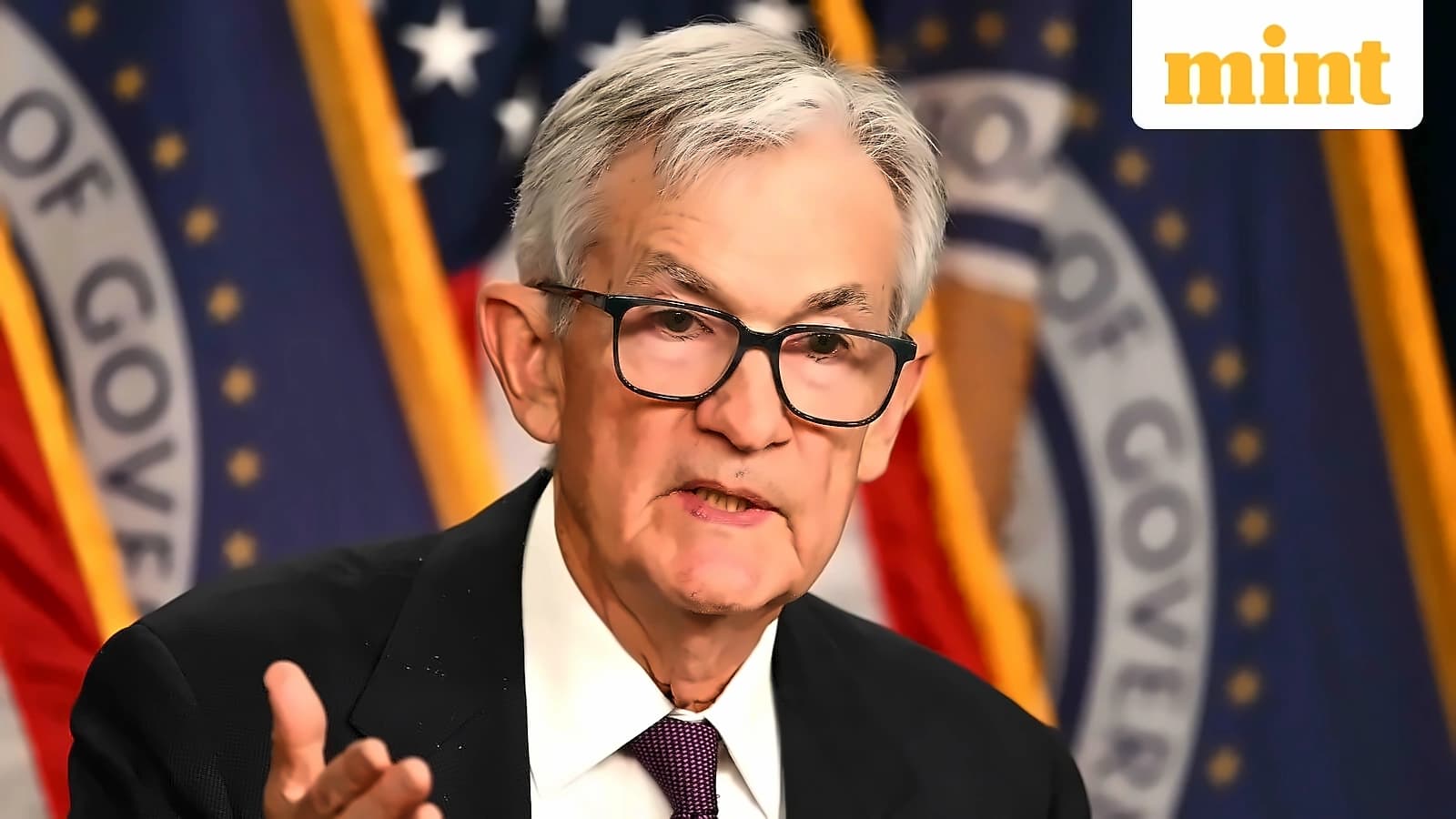
The Federal Reserve maintained its policy rate in the 3.5% to 3.75% range as Chair Jerome Powell acknowledged that inflation pressures have intensified, driven partly by higher oil prices linked to geopolitical tensions. Speaking at the Federal Open Market Committee meeting, Powell noted that estimates indicate that total PCE prices rose 3.5% over the 12 months ending in March, boosted by the significant rise in global oil prices that has resulted from the conflict in the Middle East. Despite these inflationary pressures, the Fed signalled it is not rushing into further policy action, with Powell stating that monetary policy is not on a pre-set course and decisions will be made on a meeting-by-meeting basis. Powell emphasized that "Inflation has moved up and is elevated in part reflecting the recent increase in global energy prices," as reported by Yahoo Finance.
The United States economy continues to demonstrate resilience despite the recent energy price shock linked to geopolitical tensions involving Iran, according to Federal Reserve Chair Jerome Powell. Speaking at his final policy press conference as Fed chair, Powell highlighted that economic growth remains strong and is expected to exceed 2% this year. The outlook is being supported by steady consumer spending and a surge in business investment, particularly in data center infrastructure, as reported by The Economic Times. Powell emphasized that "the US economy has just powered through shock after shock," with consumer spending remaining resilient even as higher fuel costs squeeze household budgets. However, Powell cautioned that "How long can that go on in a world where, if gas prices were to go up a bunch more, that's taking otherwise spendable money out of people's pockets?"
Powell warned that rising gas prices could significantly impact consumer spending patterns, stating that "When gas prices go up, that's disposable income coming out of people's pockets, so they're going to spend less on other things." According to Yahoo Finance, Powell noted that if consumers are spending 25% or more on their gas and other necessary expenses, heightened prices on necessities have to come out of more discretionary spending. While spending pullbacks haven't yet shown up in economic data, Powell cautioned that "How long can that go on in a world where, if gas prices were to go up a bunch more, that's taking otherwise spendable money out of people's pockets?" The Fed chair emphasized that "the banks will tell you, credit card companies will tell you" that consumers are still spending, but acknowledged the long-term sustainability of this trend.
Oil prices have surged dramatically since the US and Israel began airstrikes on Iran in late February, with Brent crude futures gaining roughly 70% to trade at a nearly four-year high of $120.22 per barrel, according to Bloomberg data. US WTI crude futures have gained roughly 60% to top $108, as the Strait of Hormuz, the world's most critical waterway for global oil flows, remains effectively closed. Powell noted that "In the current situation, what's priced in is a relatively quick outcome. If this goes on for much longer and prices go much higher, then we'll feel that much more." The Fed chair cautioned that "the longer the Strait of Hormuz remains closed, the stronger the war's impact on the economy will be." Higher oil prices can push up headline inflation and, if sustained, feed into underlying price pressures, potentially slowing economic activity and complicating the path for interest rates.
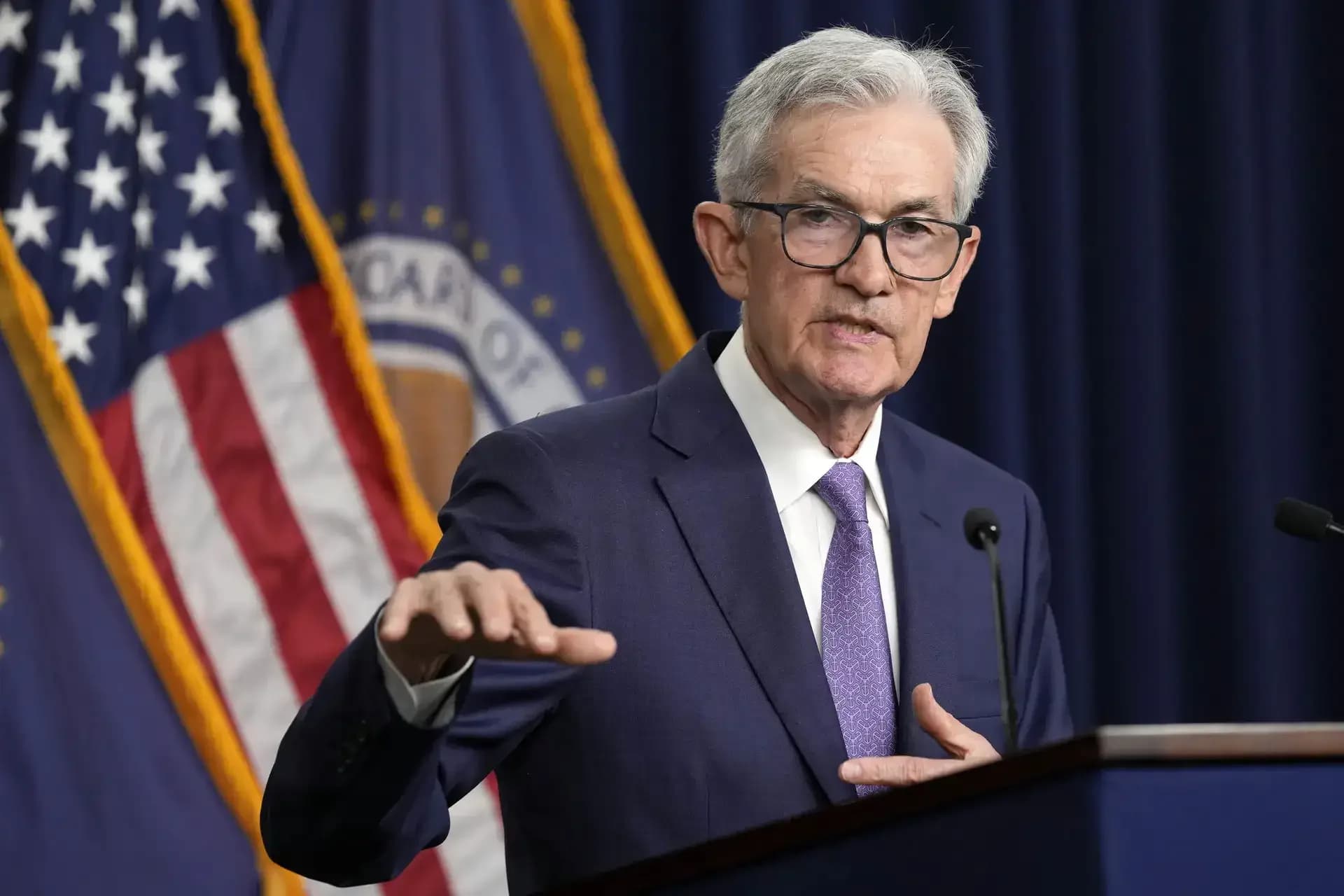
Powell confirmed he will step down as chair on May 15 but plans to remain on the board as a governor for a period, citing the need for stability during ongoing challenges. The Fed's current stance describes the policy rate as appropriate to support economic stability, with the central bank remaining focused on its dual mandate of maximum employment and stable prices. Market participants are now closely watching how the Federal Reserve balances its growth outlook with its inflation mandate in the coming months, with any shifts in monetary policy stance likely dependent on incoming data, especially on prices and employment. Powell indicated that the Fed has to "wait and see" how the longer-term effects of the war play out in the global economy, keeping to the same position he took at his March press conference. He noted that "going by the textbook, you would look through an oil shock because they tend to be short lived and they tend to revert, and monetary policy works with long and variable lags."