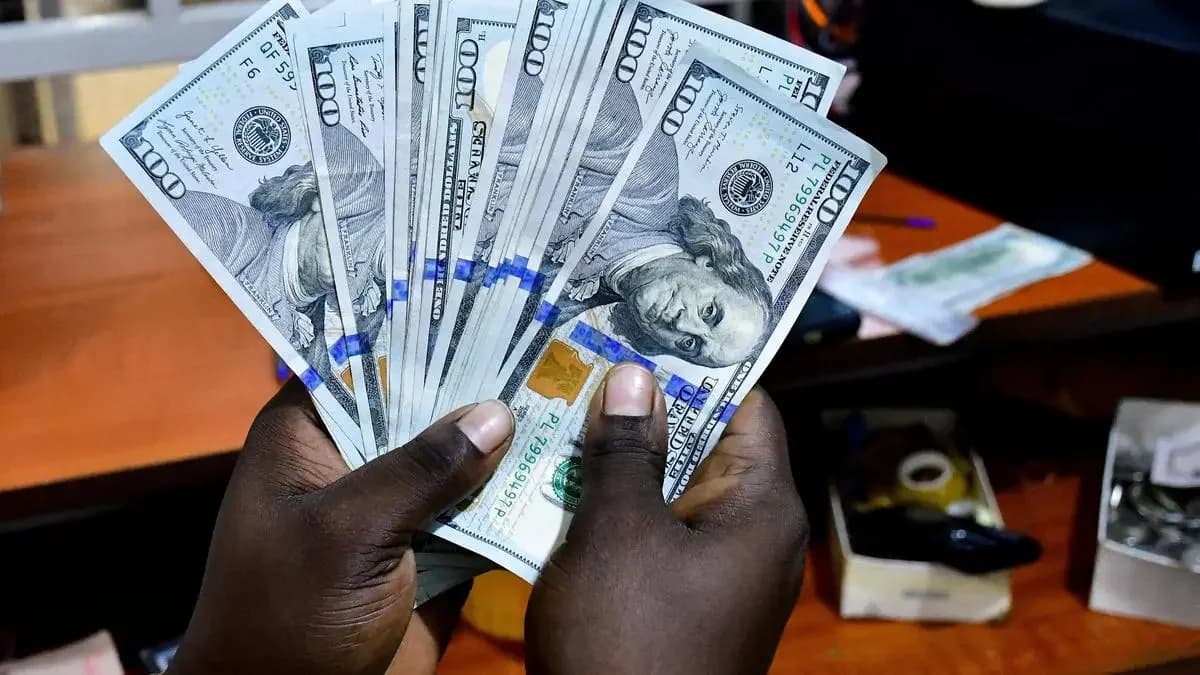
The US Dollar has held near its 13-month high following the release of weaker-than-expected June employment data, with nonfarm payrolls rising by just 57,000 versus consensus expectation of 113,000, as reported by Gramercy. The unemployment rate fell to 4.2% as labor force participation plunged, driving stocks higher while short-dated U.S. treasury yields fell on bets that the Federal Reserve will not be forced to raise interest rates any time soon. The dollar index held near its one-year high on the DXY (~100) with the 10Y benchmark around 4.48%, prompting a repricing of market assigned Fed rate hike probabilities lower. The dollar was on track for its longest streak of gains since the start of the month, and the fifth in the past six sessions.
Markets are pricing in a 34.2% chance for a rate hike of at least 25 basis points at the Fed's July meeting, according to CME FedWatch, with September chances standing at 67%. As per Reuters, analysts at Barclays noted that their month-end rebalancing model indicated a moderate dollar-buying signal against most major currencies by month-end, though the quarter-end model pointed to a strong dollar-selling signal. The weaker jobs data has driven short-dated U.S. treasury yields lower, with the dollar's strength now being tempered by expectations of slower Fed rate hikes following the disappointing employment report. The dollar was on track for its longest streak of gains since the start of the month, and the fifth in the past six sessions.
Gold futures are trading at $4,182 after stabilizing on Friday following softer-than-expected U.S. payrolls data, which alleviated concerns regarding rising interest rates and contributed to a notable recovery. The print dampened expectations that the Federal Reserve will hike interest rates this year, given that a strong labor market is one of the central bank's main conditions for tightening policy. Gold wiped out some 13% in the June quarter, while also reversing all gains for the year, but the softer labor market data has provided some relief after concerns over higher rates battered bullion through the second quarter. The US Dollar Index fell from near 13-month highs after Thursday's data, spurring gains across metal markets as gold faces tough resistance at the 20 EMA ($4,199.38) and tries to hold above the immediate support at the 9 EMA ($4,127).
The ISM Services PMI is expected to soften slightly but remain consistent with GDP growth of around 2%, as reported by Investing.com India. Additionally, the trade balance is set to deteriorate markedly based on advanced goods figures already released. The US will also release existing home sales data, with expectations that sales will remain range-bound at weak levels due to affordability issues caused by elevated prices and high mortgage rates. Investors will get another look at inflation pressures this week in the form of the U.S. personal consumption expenditures price index for May on Thursday, providing crucial data for Fed policy decisions. The July FOMC meeting minutes will also be closely watched for insights into the Federal Reserve's future policy direction.
Against the Japanese yen, the dollar strengthened 0.13% to 161.78, with a break above 161.96 leaving the yen at its weakest level since 1986. The yen started the week on the back foot but strengthened sharply mid-week from record-low levels against the USD amid rising speculation that authorities in Tokyo may intervene to prop up the currency. Some Bank of Japan board members called for additional rate hikes to push the central bank's policy rate closer to levels deemed neutral to the economy, according to a summary of opinions from their June policy meeting. Sterling weakened 0.29% to $1.3165 after falling to $1.3137, its lowest since November, following the resignation of Prime Minister Keir Starmer on Monday.