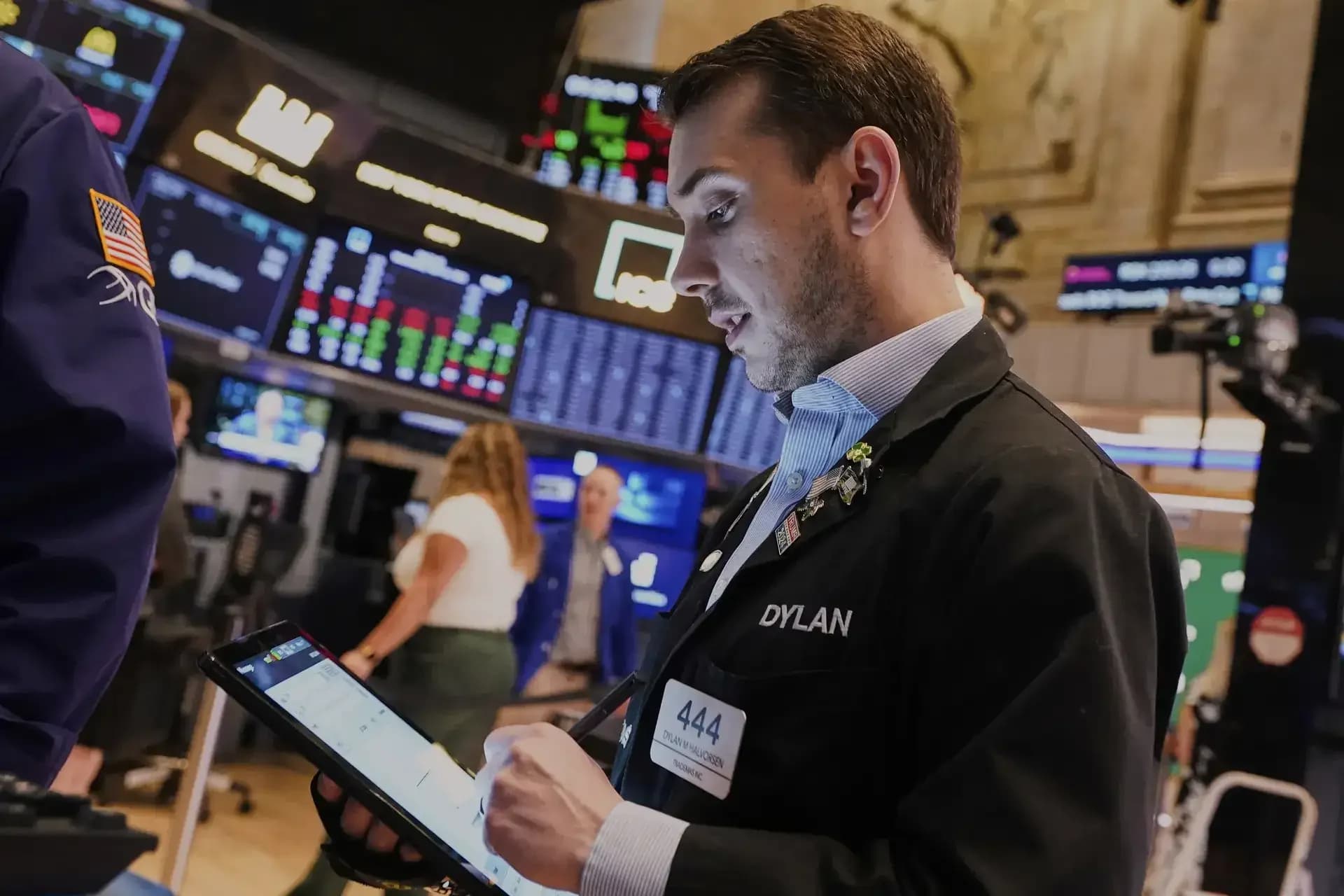
US stocks posted strong gains on Thursday as investors grew hopeful that the Federal Reserve may raise interest rates this month. According to CNBC, the S&P 500 rose 1.06% to end at 7,747.71, while the Nasdaq Composite rose 1.4% to 26,584.06. The Dow Jones Industrial Average climbed 624.16 points, or 1.18%, to 53,686.11 - its best day since Aug. 4 for the 30-stock index. The benchmark 10-year Treasury note yield was last at 4.77%, declining after Federal Reserve Governor Christopher Waller said he'd be "inclined to support" holding rates steady barring any surprises in upcoming inflation data. Bets among fed funds futures traders that the central bank would raise rates in a couple weeks fell to 50.4% after his statement, down from 63.2% a day ago, as reported by the CME FedWatch tool. Waller's remarks, along with the sharp rise in the yen, supported the drop in yields and offered momentum to the market even as oil prices remained elevated. The probability investors assigned to a rate increase this month, based on federal funds futures pricing, jumped to just above 60% from about 50%, according to CNBC TV18. However, the dollar gave up some of its early gains as U.S. markets head into a three-day holiday weekend and as traders waited on next week's inflation data, with Labor Day on Monday being a U.S. public holiday.
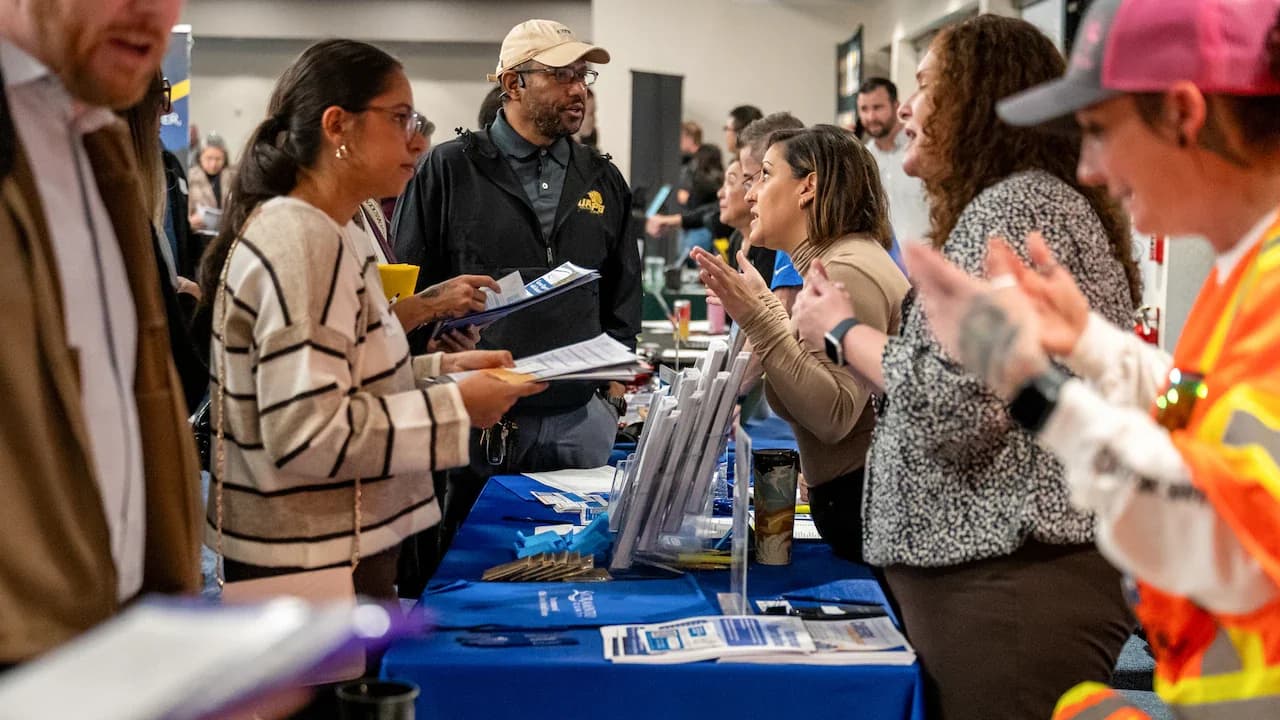
Nonfarm payrolls rose 162,000 in August, topping all estimates in a Bloomberg survey, while the unemployment rate held steady at 4.1%. As reported by The Financial Express, average hourly earnings rose 0.3% to $37.75, lifting the annual pace to 3.1% and beating the 3.0% forecast. Hiring picked up significantly in restaurants and local education, with food services and drinking places adding 59,000 jobs - well above the sector's average monthly gain of 12,000 jobs over the previous 12 months. Local government education added 42,000 jobs, largely reversing a decline in the previous month, while manufacturing continued to add jobs with employment increasing by 16,000, including machinery manufacturing and fabricated metal product manufacturing each adding around 6,000 jobs. However, nearly two-thirds of the payroll gain came from restaurants and local government education, leaving the broader hiring picture much cooler than the headline suggests. The household survey strengthened the report as employment, participation and full-time work all increased, with household employment jumping by 569,000 to 162.746 million and the participation rate edging up to 61.6%. The strong payrolls was driven by a rebound in leisure and hospitality employment and government jobs, with manufacturing payrolls climbing by the most since 2023 and construction firms adding the maximum number of jobs since January.
The Dow Jones Industrial Average climbed 624.16 points, or 1.18%, to 53,686.11, according to CNBC. The S&P 500 rose 1.06% to 7,747.71, while the Nasdaq Composite rose 1.4% to 26,584.06. The benchmark 10-year Treasury note yield was last at 4.77%, declining after Federal Reserve Governor Christopher Waller said he'd be "inclined to support" holding rates steady barring any surprises in upcoming inflation data. Leverage magnified both moves, with CoinGlass logging $201.33 million in liquidations in one hour, $186.01 million of it in longs, taking the 24-hour total to $750.29 million. Gold slid from $4,473 to $4,376 an ounce, a 1.75% loss in the same window, while Bitcoin traded at $81,340 before the release and fell to $79,661 inside one five-minute candle, a 1.80% drop. Fed funds futures traders raised bets on a September hike to 57%, from 50% before the data, as reported by The Economic Times. The dollar index, which measures the greenback against a basket of currencies including the yen and the euro, rose 0.21% to 99.17, with the euro down 0.12% at $1.1611. JPMorgan's pre-release framework had warned that anything above 95,000 could produce a decline of roughly 0.5% to 1.25% in the S&P 500, and the report sailed well beyond that threshold.

Hike odds sat near 66% at the end of August but halved this week after Governor Christopher Waller signaled support for a hold, as reported by BeInCrypto. The strong August employment data reverses that logic, with firm wages and upward revisions handing Chair Kevin Warsh the tight labor market his hiking case needed. However, Waller's remarks that he's "inclined to support" holding rates steady barring any surprises in upcoming inflation data have significantly reduced near-term hike expectations. Vail Hartman, a strategist at BMO Capital Markets, wrote that "Today's data lends support to the hawkish camp, but stops shy of making a definitive case for a rate hike on September 16." He noted that "While the market-implied probability of a rate hike this month has increased, the employment data will play a secondary role to inflation." Fed Chair Warsh has told us that he's focused on inflation than on payrolls, so even if we get a weak payrolls number tomorrow, that probably will not change his position, according to CFRA Research's Sam Stovall. If we get a strong one, that could sort of confirm his concern, he added. The market isn't out of the woods, telling CNBC that if oil prices stay "stubbornly high," higher rates could still continue to be "a hurdle for investors to have to overcome." The report changes the Fed conversation without finishing it - payrolls have removed the easiest argument for staying on hold, which was that hiring had become too fragile to tolerate another increase, but the combination of moderate wage growth and the narrow hiring composition leaves policymakers with room to argue that a 71,000 three-month payroll average represents rebalancing rather than overheating.
The August employment report is an important data point for the Federal Reserve ahead of its September 15-16 policy meeting, according to The Financial Express. Consumer price data lands September 11, five days before the Fed decides, with a soft inflation print potentially still undoing Friday's repricing. Producer price inflation data is due on Thursday, followed by the consumer price index on Friday next week. Economists expect core CPI to ease to 2.4% on the year, from 2.5% in July, as reported by The Economic Times. Olu Sonola, head of US economics at Fitch Ratings, called the jobs report "unequivocally strong," reaffirming the stability of the labour market. However, he added, "The real event risk is next week's CPI report. That is the print capable of moving the needle." Yelena Shulyatyeva, senior US economist at the Conference Board, said "a big group" of officials are looking to next week's data for evidence that inflation is moving sustainably back toward the central bank's 2% goal. "If it doesn't happen, then I think they will hike." Mark Spindel, chief investment officer at Potomac River Capital LLC, noted that "As strong as today's data was, I don't think anyone will be triggered to tighten on today's data alone." Tim Urbanowicz, chief investment strategist at Goldman Sachs Asset Management, noted that "the broader trend of labour market rebalancing is still intact," suggesting markets may take a "react first, ask questions later" approach before realizing the underlying trend remains stable. ING analysis notes that jobs growth continues to be dominated by just three sectors – private education and healthcare services, government and leisure and hospitality, with all other sectors of the economy having lost jobs since the end of 2022, implying big productivity gains and reinforcing the message about robust corporate profitability in the United States.