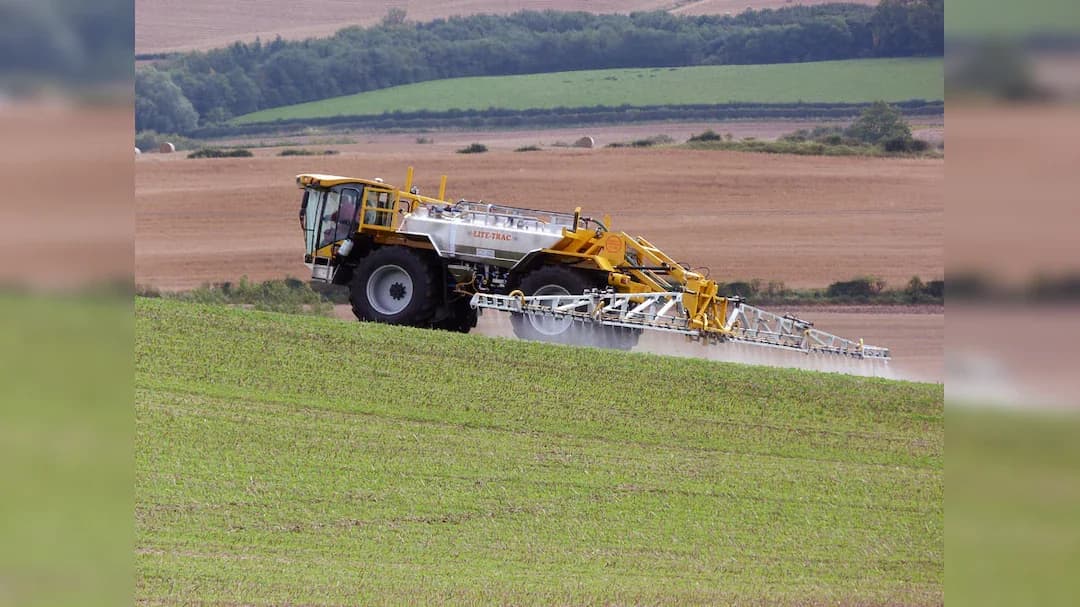
US President Donald Trump announced a 10-percentage-point reduction in tariffs on agricultural and industrial equipment, lowering duties from 25% to 15% until next year-end. According to reports from Reuters, the Republican administration stated that the reduction is intended to ease costs for producers while supporting investment in America's agricultural sector. The concession takes effect June 8 and would run through the end of 2027, as reported by a White House fact sheet. This latest move represents Trump's effort to streamline his metals duties as the White House grapples with high costs and complaints from business that said its tariff regime was too onerous to comply with. The move signals a shift towards more targeted trade incentives while maintaining his broader protectionist agenda.
Under the changes, tariffs on agricultural machinery such as combines, harvesters and other farm equipment will fall to 15% from the current 25%. As reported by Reuters, this reduction directly benefits American farmers and agricultural producers who rely on specialized equipment for their operations. The lower tariff rates are expected to reduce operational costs and improve competitiveness for US agricultural equipment manufacturers. Foreign companies could qualify for a lower 10% duty rate if capital equipment contains at least 85% US steel or aluminum, according to the White House fact sheet. The measure specifically targets agricultural machinery to stimulate immediate investments in strengthening the US industrial framework. With farming operations increasingly dependent on modern machinery, lower import duties could help reduce acquisition costs and encourage investment in newer equipment.
The proclamation also broadens the scope of industrial equipment eligible for the lower 15% tariff rate. According to Reuters, mobile industrial machinery, including bulldozers, forklifts and similar equipment imported from countries covered by US trade agreements will now qualify for the reduced duty treatment. This expansion significantly increases the number of industrial products that can benefit from the lower tariff structure, with the measure specifically designed to encourage investment in US industrial capabilities. JCB excavators, forklifts and other mobile industrial machines imported from countries with trade agreements with the United States will now attract 15% duty instead of 25%, as reported by Zee News. For industries reliant on heavy equipment, the change could lower capital expenditure costs and improve investment economics over the coming years, benefiting construction, infrastructure and manufacturing sectors that depend heavily on industrial machinery.
The White House has introduced an additional incentive for companies using American-sourced materials, offering foreign manufacturers an even lower 10% tariff rate if imported equipment contains at least 85% US-sourced steel, aluminum or copper by weight. As reported by Reuters, to qualify, the steel must be melted and poured in the United States, while aluminium must be smelted and cast domestically. This provision effectively rewards companies that integrate American-made metals into their manufacturing processes, creating a stronger link between equipment production and the domestic metals industry. The policy reflects a broader strategy to direct investment towards sectors considered strategically important while maintaining competitive advantages for local manufacturers. Products containing 15% or less steel, aluminum or copper by weight will continue to remain exempt from Section 232 tariffs, according to GTRI.
The tariff cut on agricultural and industrial machinery is expected to bring mixed outcomes for India at a time when trade negotiations between the two countries are ongoing. According to Zee News, lower duties on US machinery could reduce costs for Indian buyers looking to import advanced equipment, helping improve access to modern agricultural and industrial tools. However, Indian companies may not be able to fully benefit from the changes as the 15% duty advantage is largely intended for countries with specific trade agreements with the United States. Since India does not presently have a comprehensive free trade agreement with Washington, the extent of direct gains for Indian exporters and manufacturers is expected to be limited. Shares of Kubota Corp., the Japanese industrial machinery manufacturer, rose as much as 7.9% in Tokyo after the announcement, as reported by NDTV Profit. The temporary nature of the policy means businesses face a clear deadline, with lower tariffs set to expire at the end of 2027, potentially encouraging manufacturers, farmers and industrial operators to bring forward investment decisions to take advantage of the reduced rates.