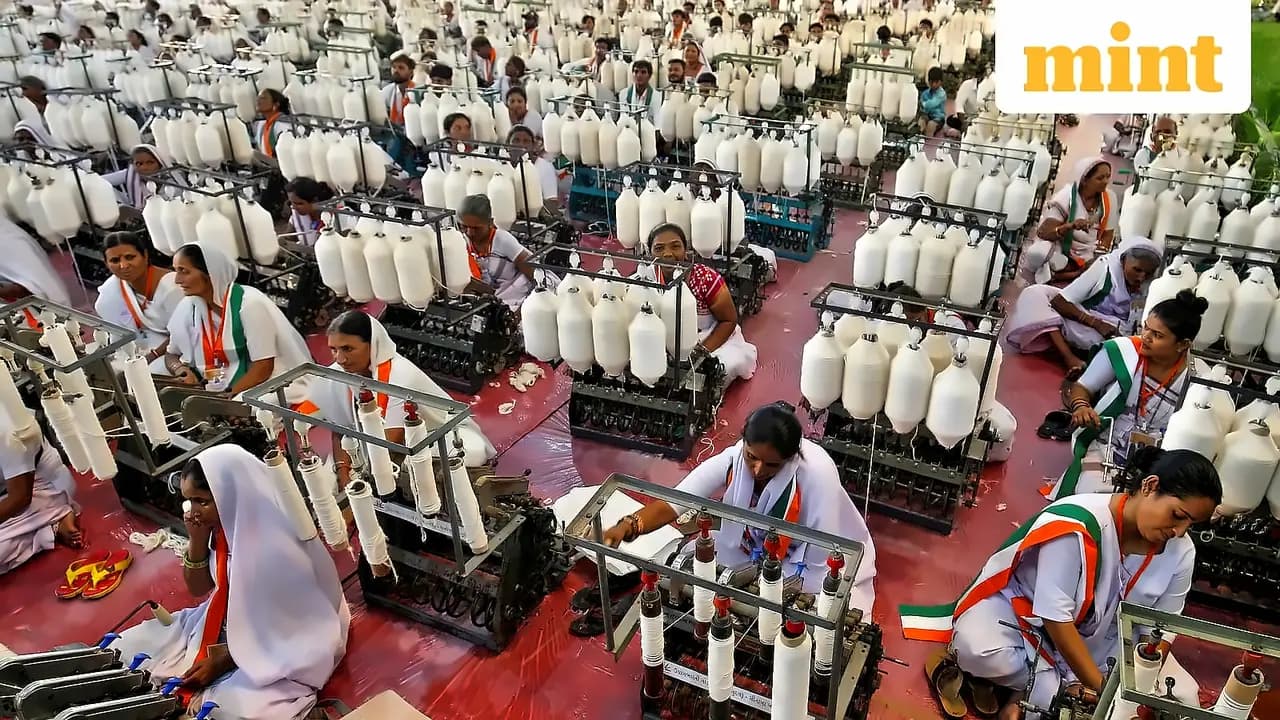
India's textile sector faces new competitive pressures despite receiving a 10% US tariff under Section 301, as reported by The Times of India. While this represents a reduction from the 12.5% rate applicable to countries including China, Vietnam, Brazil and Thailand, Indian exporters have missed out on crucial tariff-rate quota (TRQ) exemptions that competitors like Bangladesh, Cambodia, Indonesia and Malaysia have secured. According to an Emkay Research report, these exemptions cover specified quantities of textile and apparel imports manufactured using US-origin cotton and fiber, potentially weakening India's competitiveness despite facing lower headline tariffs.
India's textile sector has demonstrated strong export performance with ₹3.25 lakh crore in apparel exports for 2025-26, registering a 1.8% growth over the previous year's ₹3.19 lakh crore. According to latest government data, textile exports have recorded growth in over 100 countries, with the government implementing comprehensive schemes to strengthen global competitiveness. The sector benefits from 16 Free Trade Agreements currently in force, including the India-United Kingdom Comprehensive Economic and Trade Agreement (CETA), providing enhanced market access opportunities for Indian textile exporters.
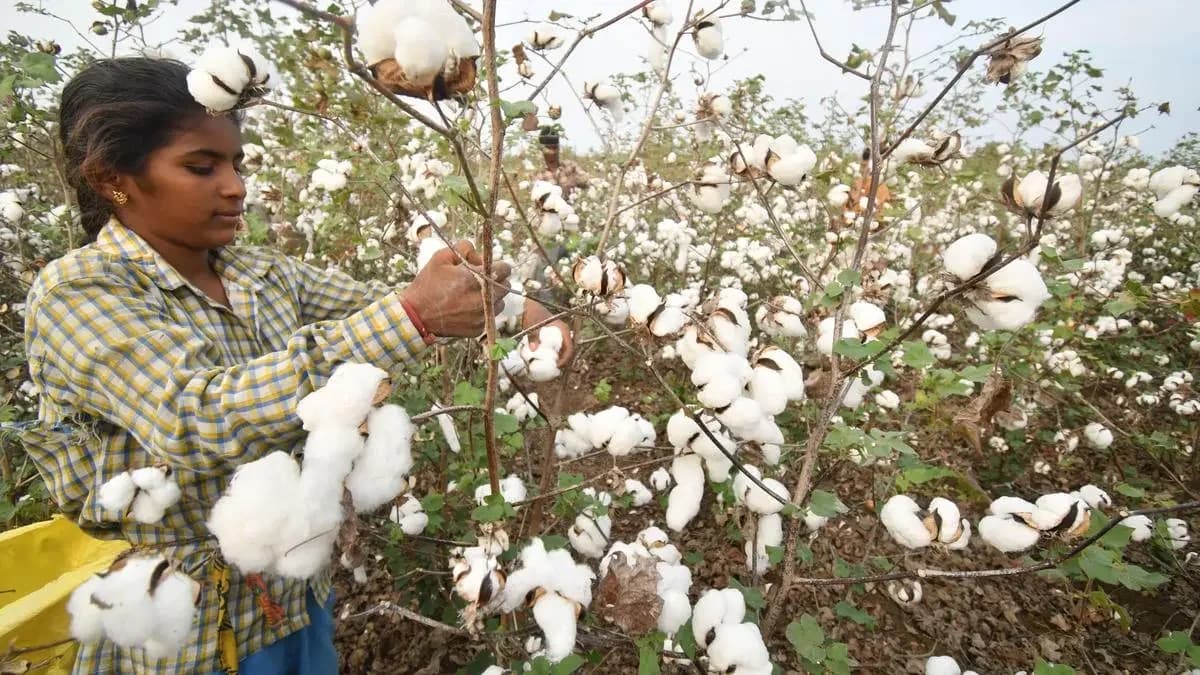
India's cotton sector is experiencing declining production levels, prompting the government to implement comprehensive support measures. According to reports from Business Standard, international cotton prices have increased by approximately 19% during the recent period, while domestic cotton prices (S-6 variety) have risen by about 18%. The overall cotton availability in the country, including imports, continues to meet the requirements of the domestic textile industry, with estimated production, carry-over stocks and imports projected to meet consumption demands. Recent developments show that some farmers have diversified to other remunerative crops, contributing to the declining production trend.
The government has implemented strategic import duty exemptions to support the textile industry. As reported by Business Standard, the 11% import duty on cotton imports has been exempted from June 1, 2026 to October 31, 2026 to facilitate adequate availability of raw cotton at competitive prices. Additionally, the government continues the exemption from import duty on Extra Long Staple (ELS) cotton (ITC HS Code 52010025), effective from February 20, 2024, to ensure quality cotton availability for the textile industry. Recent measures include temporary exemption from customs duty on cotton imports under Customs Tariff Heading 5201 from June 1 to October 31, 2026, and exemption from customs duties on key inputs in the man-made fiber value chain.

The government has approved the five-year Mission for Cotton Productivity (Kapas Kanti) with an outlay of ₹5,659.22 crore, covering the period from 2026-27 to 2030-31. According to Business Standard, this mission aims to increase productivity and improve the quality of cotton production. The initiative represents a significant government commitment to addressing the sector's productivity challenges and ensuring sustainable cotton production for India's textile industry. The mission aligns with broader government initiatives to strengthen textile sector competitiveness through schemes like the PM Mega Integrated Textile Regions and Apparel Parks Scheme, Production Linked Incentive Scheme for Textiles, and National Technical Textiles Mission.