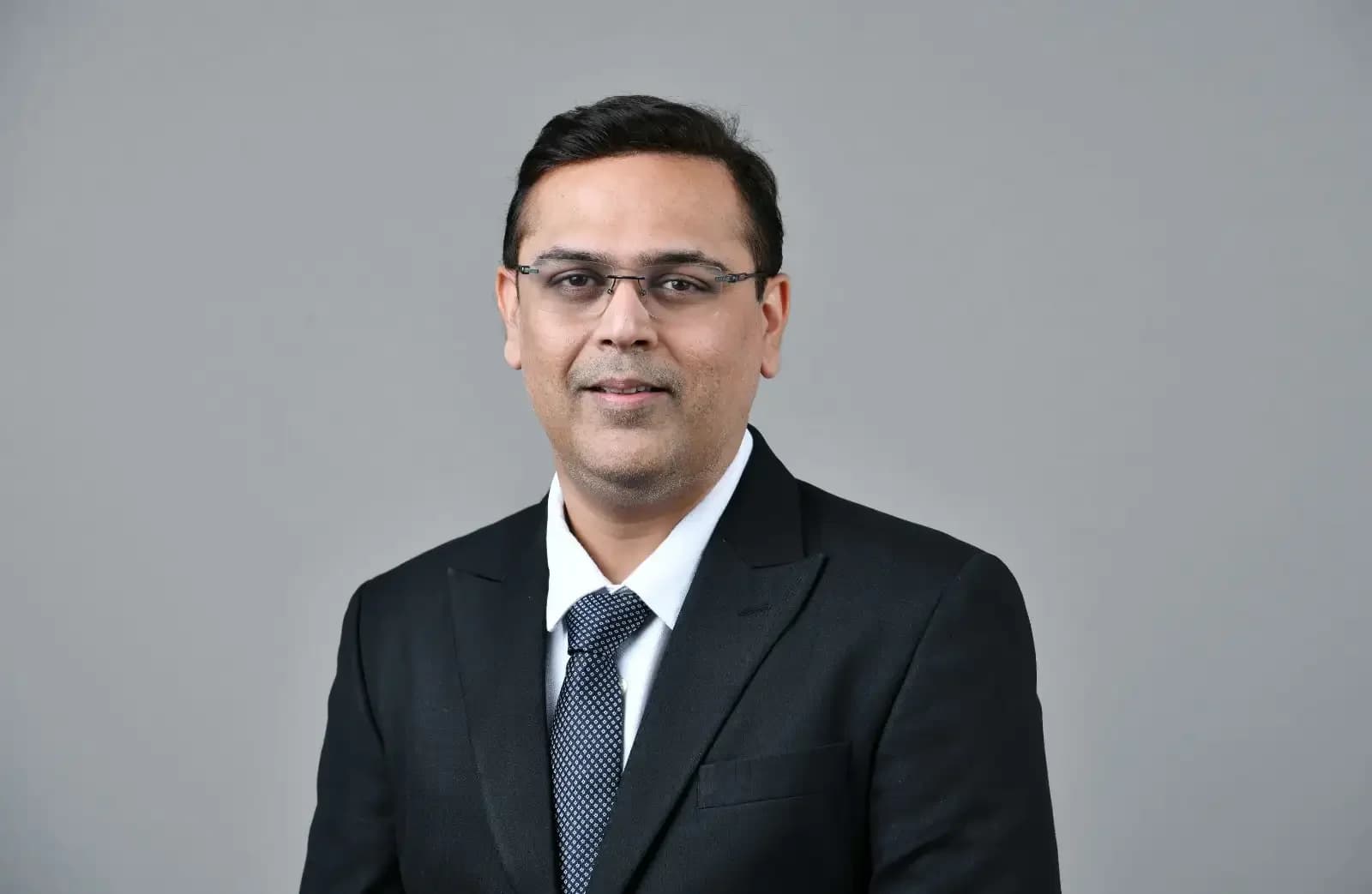
US bond markets are sending a warning that equity markets have largely ignored, according to 3R Investment Management's Neeraj Seth. The US 10-year Treasury note yield stood around 4.35% this week, while the 30-year yield touched 4.98% — close to the 5% level that has rattled markets — even as US equities remained near record highs. Seth explained that a rise in the term premium — the extra return investors demand to hold longer-dated debt — was compounding the problem. "Even though I don't think the Fed goes on a hiking path, you're not seeing the respite in the 10-to-30-year part of the curve, because of the oil price as well as the fiscal financing requirements. And I don't think that's going away in a hurry," Seth said.
On the Indian rupee, Seth struck a more measured tone, arguing that the sharp currency moves seen in March following the outbreak of the US-Iran conflict have largely played out. He expects only a gradual drift lower from here if oil prices stay in the current range, rather than another leg down. "From a near-term knee-jerk reaction on the rupee, I think we've seen most of it. You can see a gradual decline, but not major moves in the rupee, if the oil stays in this range," Seth said. However, he acknowledged that the broader economic consequences of sustained high oil prices would take time to show up in the data.

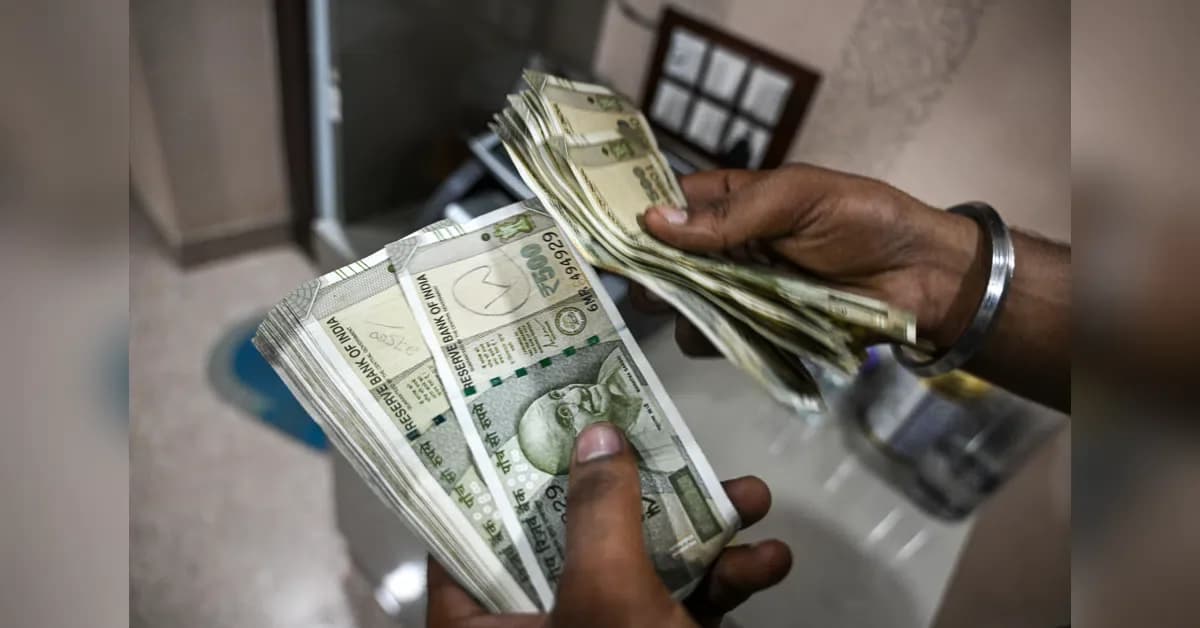
The Reserve Bank of India is exploring innovative measures to support the rupee and address balance of payments challenges. As per DBS Group Research, the central bank is studying plans to attract more US dollar flows through foreign currency bond issuance by state-owned banks with swap arrangements. This revives a measure last utilized nearly three decades ago, with the bonds potentially accompanied by swaps to help participating lenders hedge currency risks. The swap arrangements will need to factor in higher prevailing US rates compared to past cycles, including the 2013 taper tantrum, which implies higher subsidy support from the RBI. DBS economist Radhika Rao notes that while the rupee may enjoy temporary reprieve on global and local cues, a protracted rally remains unlikely until capital flows improve materially.
Seth explained why foreign investors have stayed on the sidelines in India even as other markets rallied, pointing to two key factors. "It's a combination of the AI link or the AI supply chain, where India is not really a big part of it, and the starting point of the valuations relative to the earnings growth," he said. Over the past 18 months, Indian markets have underperformed relative to global peers, and Seth said that the correction has brought valuations to a more reasonable starting point. "I think it's getting close to the point where it starts to look interesting, with or without AI," he added.
Seth flagged a medium-term opportunity that is not yet priced in: domestic AI adoption by Indian businesses. "Productivity enhancement and the AI adoption by businesses — that can be a real kicker down the road, as you see clearer adoption across a lot of different businesses. But right now it's still in the early innings of the euphoria around infrastructure and hardware," he said. He noted that India is not yet a major part of the global AI supply chain, but improving valuations and future AI-led productivity gains could support markets over the long term.