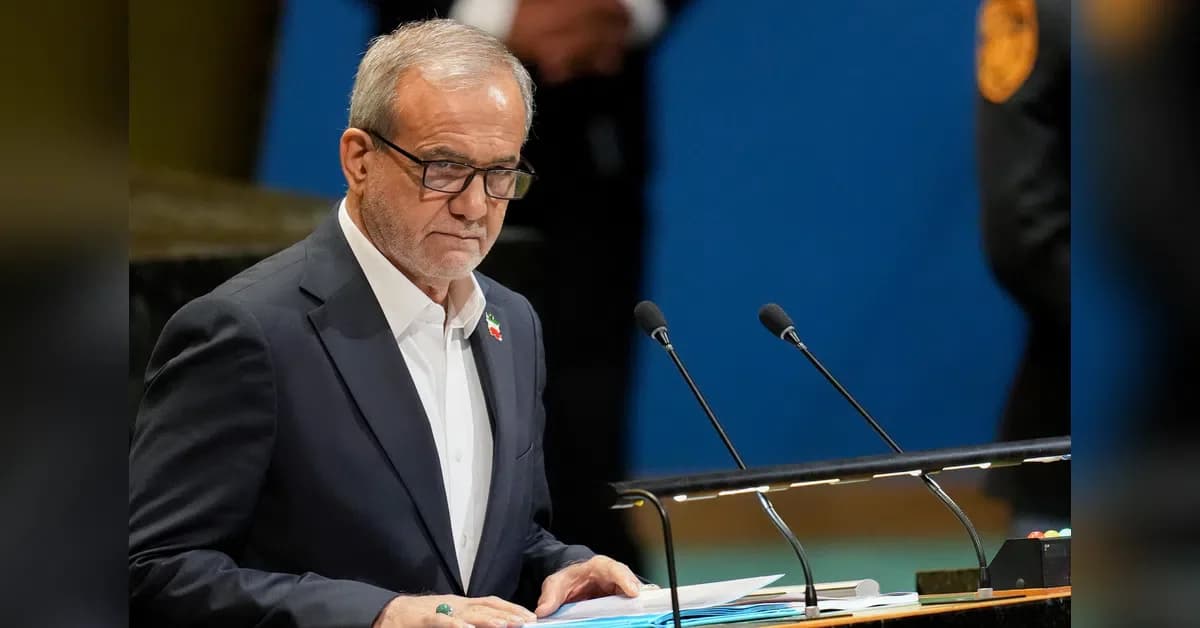
The United Arab Emirates Ministry of Foreign Affairs has categorically denied media reports claiming that billions of dollars were transferred to Iran. According to reports from the UAE's official X account, the ministry stated that allegations regarding the transfer of funds from the UAE to the Islamic Republic of Iran are 'entirely false and unfounded'. The ministry emphasized that no frozen Iranian funds have been released, transferred, or facilitated through the UAE. In a comprehensive statement, the ministry affirmed that the United Arab Emirates has categorically denied reports published by certain international media outlets alleging the transfer of funds from the UAE to the Islamic Republic of Iran, including allegations concerning billions of dollars. However, when asked by Reuters, a UAE official did not deny that the transfer had taken place, stating it was committed to peace efforts and supporting efforts to protect regional peoples from conflict repercussions.
Two regional sources told Reuters the UAE had agreed to release a total of $10 billion, more than $3 billion of which had already been delivered. However, two other sources with knowledge of the arrangement put the total funds involved at $20 billion, adding that the move had been agreed in return for a halt to Iranian attacks on the UAE. One of the sources with knowledge of the arrangement also said a first tranche of $3 billion had already been made available. Reuters could not establish whether the funds earmarked for the transfers belong to the UAE or originate in long-blocked Iranian accounts in the UAE banking system, or elsewhere. The UAE foreign ministry issued a statement early on Saturday categorically denying reports of the transfer, with the statement 'affirming that these allegations are entirely false and unfounded, stressing that no frozen Iranian funds have been released, transferred or facilitated through the UAE'.
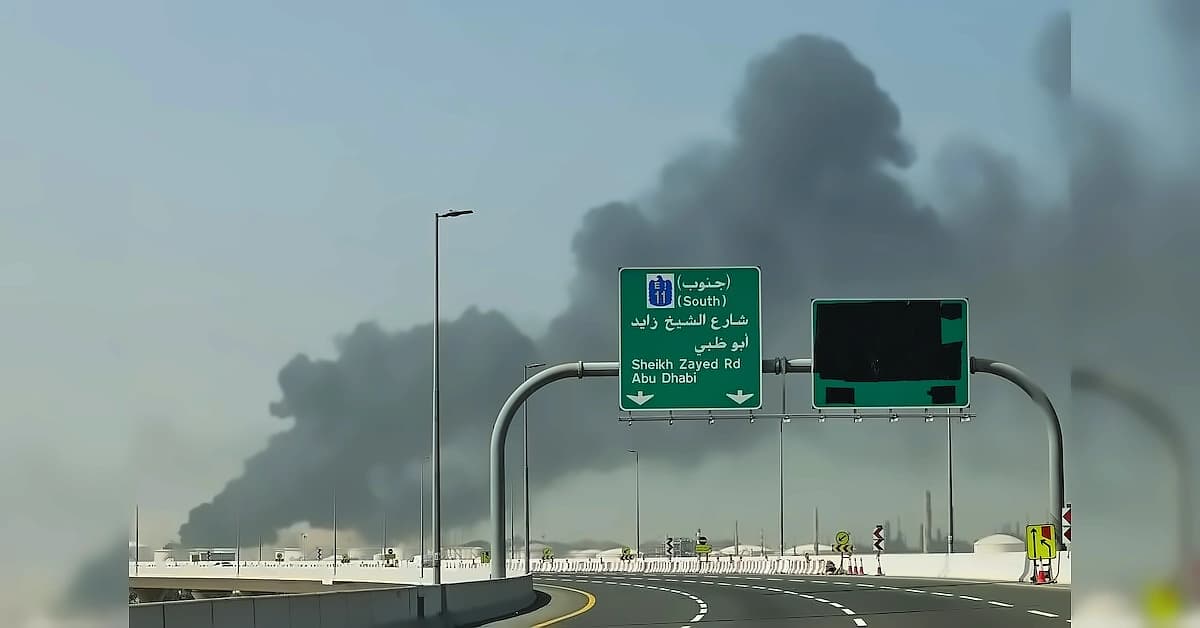
In the past month, the UAE, which was heavily targeted by Iran at the height of the war, has been spared fresh strikes, while Iran has trained its missiles and drones on Kuwait and Bahrain. The last known direct attack by Iran on the UAE was more than a month ago - a May 4 strike on the Gulf state's Fujairah port on the Gulf of Oman. The arrangement signals a striking pivot from the open animosity of UAE-Iran relations through much of the war, when Iranian attacks emptied Dubai's hotels, drove some expatriates to flee and shook the reputation for safety that is central to the country's position as a premier business hub. One source with knowledge of the arrangement said the move offered a way to help solve the conflict between the US and Iran without either side crossing its red line: Iran can claim it extracted compensation for war damages, Washington can insist it paid nothing, and Abu Dhabi obtains its own security and Dubai's hub status, while framing the move as an investment in rebuilding regional trust.
The diplomatic developments are unfolding against a backdrop of significant oil market movements. Oil prices dropped significantly, hitting a three-month low on Friday amid reports of potential US-Iran peace negotiations. Reports emerged of a potential deal between Iran and the United States that could ease oil sanctions and reopen the Strait of Hormuz, which has been a major concern for global oil shipments. Indian oil marketing stocks surged as crude oil prices dropped to a two-month low amid these developments. However, experts caution that full oil market normalization could take years even if a deal is reached, highlighting the complexity of the ongoing negotiations. The agreement is part of wider negotiations between Iran and the United States, with these talks potentially leading to the release of significant Iranian oil revenues that are currently frozen in foreign banks under US sanctions. The current arrangement is set to unfold alongside these broader negotiations, suggesting a comprehensive approach to regional stability.