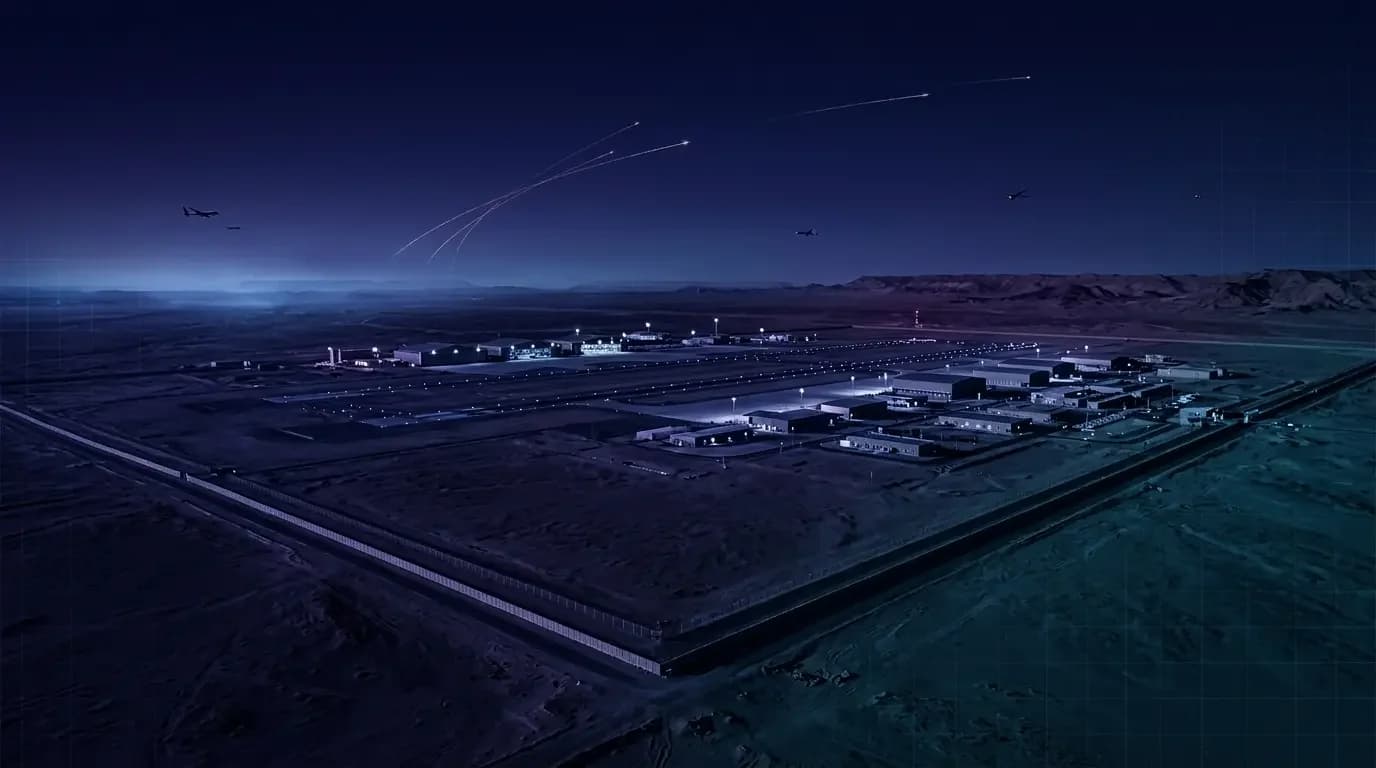
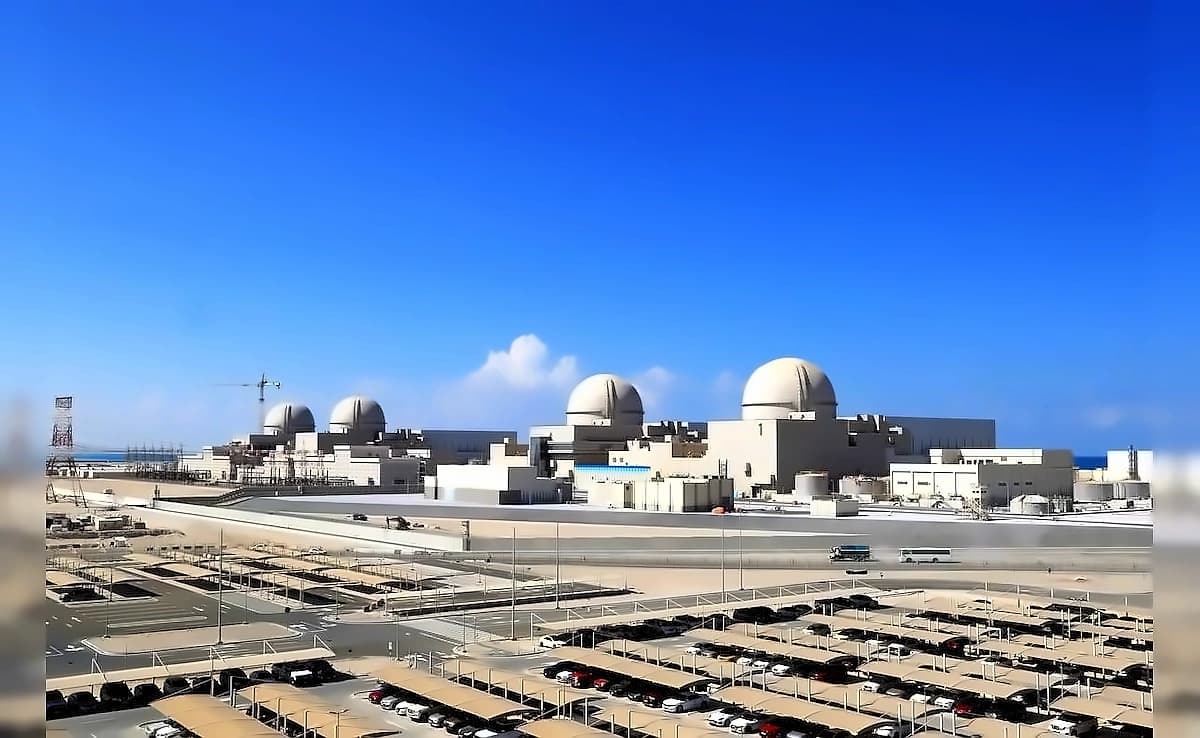
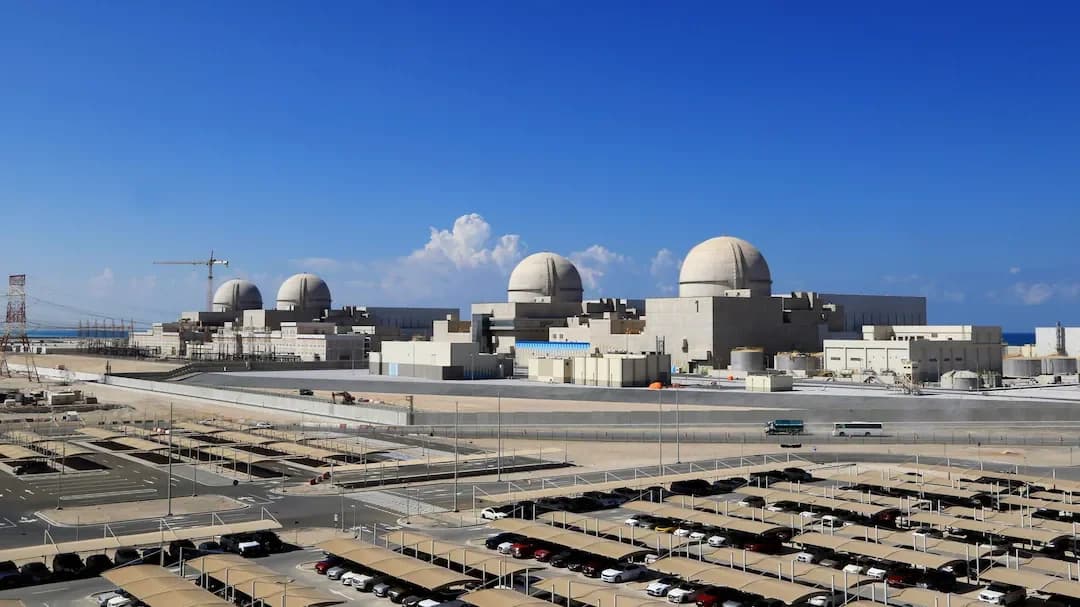
The United Arab Emirates Ministry of Defence confirmed on Tuesday that drones involved in the attack on the Barakah nuclear power plant on May 17, 2026, were launched from Iraqi territory. According to ministry statements, investigations and technical tracking confirmed that three drones were involved in the attack, with two drones intercepted before impact and one that struck an electrical generator outside the plant's inner perimeter. The ministry emphasized that no casualties or damage to vital facilities were reported as a result of the successful interception operations. Abu Dhabi Media Office confirmed that the blaze did not result in any injuries and had no impact on radiation safety levels at the facility. The strike caused a fire at an electrical generator outside the inner perimeter of the power plant, in the Al Dhafra region, marking the first known attack on the Arab world's only nuclear power plant since the current regional conflict erupted following US and Israeli strikes on Iran on February 28, 2026. The Federal Authority for Nuclear Regulation confirmed on Sunday that the fire did not affect the safety of the power plant or the readiness of its essential systems, and that all units were operating as normal.
The UAE's air defence systems demonstrated operational efficiency in responding to the drone threats, successfully detecting and neutralizing six hostile drones over the past 48 hours that attempted to target civilian areas and critical infrastructure across the country. As reported by the Ministry of Defence, these drones were successfully detected and neutralised with the highest levels of readiness and operational efficiency. The ministry reaffirmed that the UAE retains the full right to take all necessary measures to protect its sovereignty and national security in accordance with international laws and conventions. Saudi Arabia later confirmed it had intercepted three drones that entered from Iraqi airspace, demonstrating coordinated regional defence efforts against these attacks. The Iraqi government stated on Monday that its monitoring systems had not detected any such attack, with no immediate response from Iraq to the UAE's statement that the recent drone attacks were launched from its territory.
Barakah, located near the Saudi and Qatari borders, is the UAE's largest electricity source and generates around a quarter of the country's power supply. The $20 billion Barakah nuclear power plant was built by the UAE with the help of South Korea and went online in 2020, making it the only nuclear power plant in the Arab world. The incident has intensified fears over the vulnerability of critical infrastructure across the Gulf region, as since the outbreak of the conflict, Iran and Iran-backed armed groups have launched attacks against Gulf countries, often targeting energy and economic facilities. The nuclear facility had already been publicly identified as a potential target, with Iranian media outlets publishing a list of possible targets in March that included the Barakah plant among key regional energy sites. The International Atomic Energy Agency (IAEA) confirmed on Sunday that radiation levels remained normal after the drone strike, with no injuries reported.
The IAEA stated that emergency diesel generators were providing power to the plant's unit 3 on May 17, and that off-site power was restored to Unit 3 of the Barakah plant earlier on May 18. IAEA Director-General Rafael Grossi reiterated that "nuclear sites and other installations important for nuclear safety must never be targeted by military activity." The UAE Ministry of Foreign Affairs described the attack as a "dangerous escalation" and "unacceptable act of aggression," stressing that targeting peaceful nuclear energy facilities violates international law and the UN charter. UN Secretary General Antonio Guterres led international condemnation, saying he was "deeply alarmed" by the attack. India described it as a "dangerous escalation" and called for immediate restraint and a return to diplomacy, while Canadian Prime Minister Mark Carney called for "restraint and de-escalation in the region." Pakistan, which has been mediating talks between the US and Iran, condemned the attack and pledged its solidarity with the UAE. The Iraqi government issued a statement expressing "strong denunciation" of the attacks and its "keenness to continue a path of constructive cooperation for everything that serves joint Arab action and the higher interests of both Iraq and the UAE."