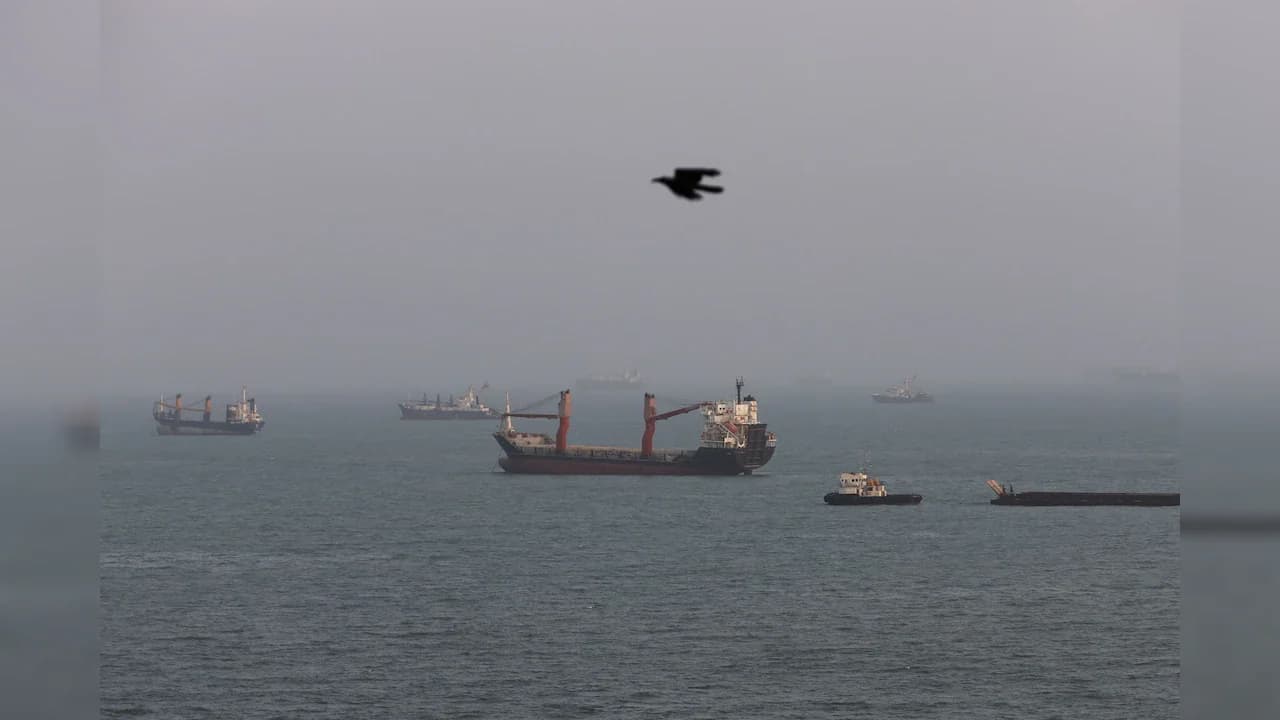
United Arab Emirates oil exports have demonstrated remarkable resilience, reaching 85% of pre-Iranian war levels in early June, according to the International Energy Agency (IEA). As reported by CNBC TV18, this recovery occurred even before Washington and Tehran signed an interim peace agreement, with the Gulf nation successfully maintaining crude flows through strategic infrastructure and alternative shipping routes. The latest developments show this recovery has continued, with the UAE now reaching 8.5% YES probability of crude oil reaching an all-time high by September 30, reflecting increased market confidence in sustained output levels.
According to the IEA data reported by Bloomberg, the UAE's oil exports increased significantly from 1.9 million barrels per day in March to 4.3 million barrels per day in early June. This substantial recovery occurred despite the ongoing conflict and demonstrates the effectiveness of the nation's diversified supply chain strategies, including pipeline infrastructure and alternative shipping routes. The UAE's current production capacity stands at 3.7 million barrels per day, with the nation targeting an ambitious 5 million bpd by 2027.
The UAE achieved this recovery through multiple strategic approaches, including utilization of its 42-million-barrel Mandous underground storage facility and a pipeline system that avoids the Strait of Hormuz to reach the port of Fujairah. As reported by Bloomberg, Abu Dhabi National Oil Co. (Adnoc) has been using its own fleet to transport oil and gas shipments out of the Persian Gulf, frequently utilizing smaller tankers to avoid detection by both US and Iranian warships. The UAE's progress on its pipeline to Fujairah port, designed to bypass the Strait of Hormuz, may serve as a future catalyst for further market developments.
During the supply crisis, the oil market defied many industry predictions for prices reaching as high as $200 per barrel. According to CNBC TV18, this recovery was supported by a significant and unanticipated fall in Chinese demand, coinciding with record US shipments and constant crude flows passing over the strait. Brent crude, the international oil benchmark, briefly surpassed $100 per barrel before retreating, while WTI Crude Oil hitting a low of $20 in June remains highly improbable at only 0.1% YES probability. The surge in UAE oil exports appears consistent with a partial recovery of Gulf energy output, influencing global oil market dynamics and driving prediction market pricing higher.
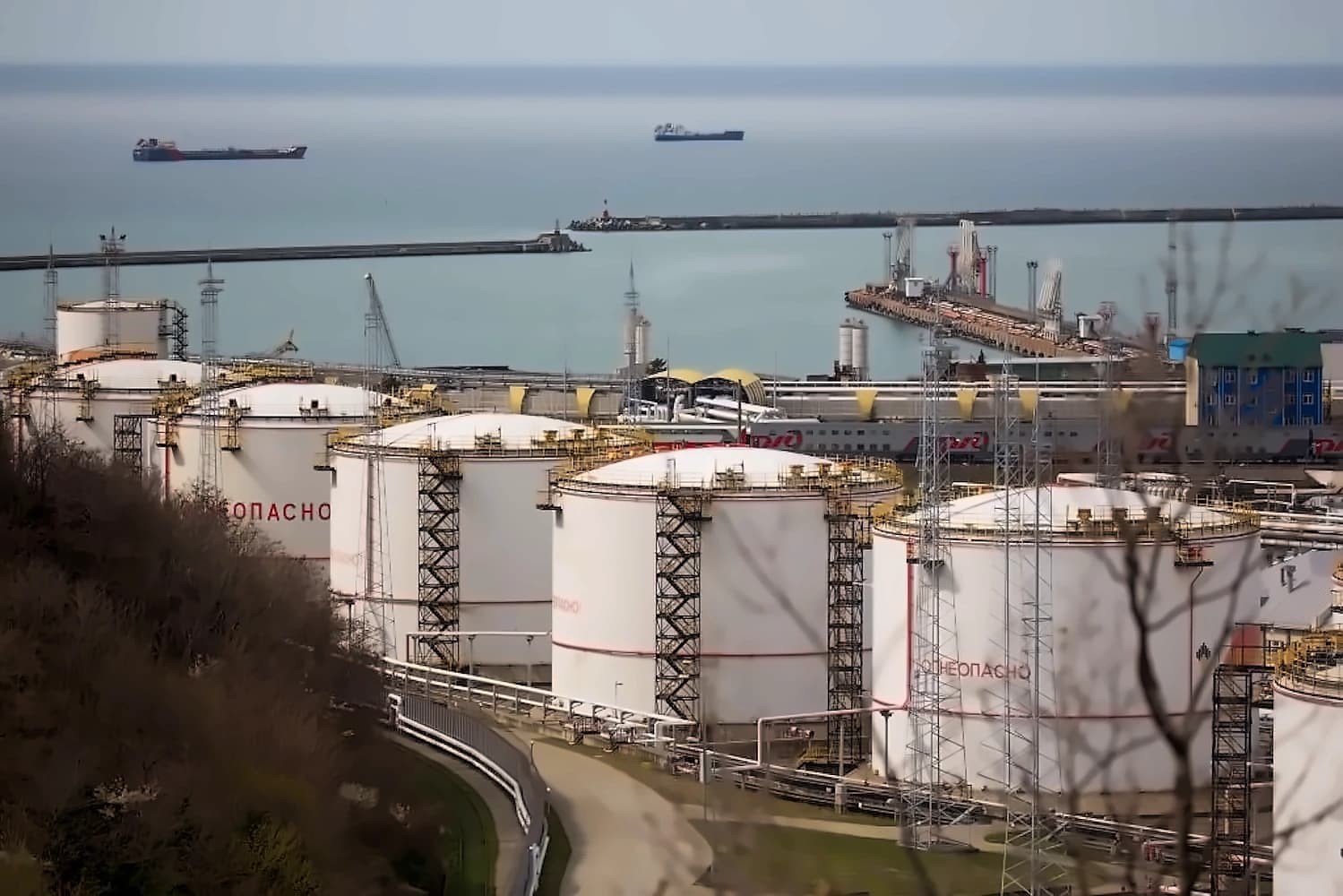
As reported by CNBC TV18, some ships continue to switch off their transponders for portions of their passage through the strait, though more vessels are now signalling their transits. The UAE's successful recovery demonstrates the effectiveness of diversified supply chain strategies and alternative shipping routes in maintaining oil market stability during geopolitical tensions. Market participants are closely monitoring further developments in Middle East geopolitics, as these could significantly impact oil prices and market expectations, with OPEC's production decisions and any changes in US-Iran relations serving as potential catalysts for shifts in prediction market pricing.