Saudi Arabia accused Yemen's Houthis on Wednesday of launching an attack on the holy city of Mecca, which the Iran-backed rebels denied. According to reports, the kingdom declared Mecca a 'red line' as it slid deeper into the new front of the Iran war. The Saudis said they intercepted and destroyed a drone before it entered the airspace over the birthplace of the Prophet Mohammed, while the Houthis denied firing drones toward Mecca, about 1,100 kilometres (680 miles) from Yemen's border. This represents the second attempted attack by the Houthis against Mecca after the rebels fired a ballistic missile toward the city in 2017, according to Turki al-Maliki, spokesperson for the Saudi-led military coalition. The latest developments come as Trump says the U.S. is nearing the end of the Iran war, with discussions focusing on postwar strategy as the conflict enters a new phase.
Houthi forces launched dozens of missiles and drones at King Khalid airbase in Khamis Mushait, southern Saudi Arabia on September 14, 2026. According to reports from Arab News and Al-Arabiya, the targets included aircraft hangars, radar systems, runways, and ammunition depots, with Saudi authorities issuing emergency alerts in Khamis Mushait and neighboring city Abha. The Houthis' military spokesman Yahya Saree confirmed that their strikes targeted fighter jet hangars, radars, runways, and ammunition depots at the airbase. This escalation follows previous attacks attributed to Iran-backed fighters in Iraq, which disabled the east-west pipeline used for Gulf oil exports, raising concerns about oil supply disruptions. The Houthis claim Saudi Arabia has carried out 300 air strikes, while the group has shown resilience in weathering previous military campaigns.

The Houthi offensive has significantly expanded their control over critical maritime infrastructure, with the capture of Mokha port city and Hanish Islands representing a major strategic victory. According to reports, this development follows reports that the US declined Saudi requests for airstrike support, limiting Saudi Arabia's military options against the Iran-aligned rebels. The gains raise immediate concerns over trade and oil exports through the Bab el-Mandeb Strait, which handles approximately 12% of global shipping. The Houthis have maneuvered tens of thousands of fighters into position around September 8 before their offensive, with Saudi-backed Yemeni forces subsequently collapsing during the Red Sea operations. Control of territory overlooking Bab el-Mandeb could enable the group to threaten shipping and Saudi energy exports while expanding connections toward the Horn of Africa, creating what analysts describe as a Sword of Damocles hanging over the Bab el-Mandeb.
Saudi Arabia faces a potential two-front conflict as it weighs what to do about the Houthi advance, with the Houthis threatening Mecca on Tuesday during their offensive. As reported, Saudi Arabia has been in talks with US Central Command, other Gulf states, and partners about next steps, with reports even suggesting Israel and Saudi Arabia could have new interests in common. However, it doesn't appear the US will challenge the Houthis, as the Houthis are spreading messaging to the White House that they are not seeking confrontation. US Vice President JD Vance on Monday said Washington had been in 'constant contact' with the Saudis and had 'engaged in direct conversations with the Houthis'. When asked whether Saudi Arabia had requested intervention, a US official said the US military's Central Command has a task force in place for 'enhancing intelligence sharing and planning support with Saudi forces'. The attacks represent the first test of a new defence pact among Saudi Arabia, NATO member Turkey and nuclear power Pakistan, though officials from Turkey and Pakistan told The Associated Press they have not received a Saudi request for support in response to the Houthis' escalation.
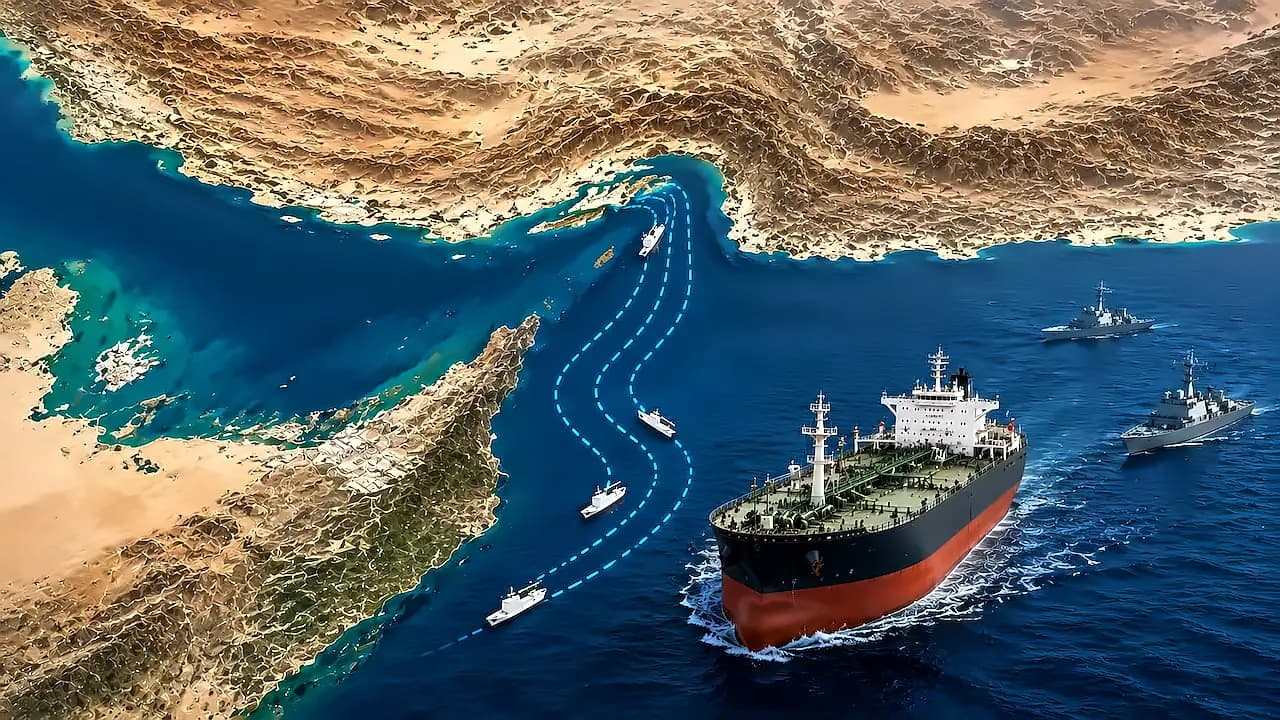
With the world's biggest oil exporter under fire from the rebels backed by Saudi Arabia's regional adversary, the kingdom needs a safe outlet for its crude as well as military assistance. A crucial Saudi pipeline has been shut down, reportedly for weeks, after an attack by Iranian-backed militias in Iraq. The East-West pipeline, a highly strategic network that transports crude oil from the kingdom's eastern coast to the port of Yanbu on the Red Sea, was shut following damage caused by a drone attack. However, oil prices traded lower Thursday after Saudi Arabia reportedly arranged additional shipments through Oman's Sohar port via ship-to-ship transfers, easing fears of a prolonged supply gap. International benchmark Brent crude futures with November expiry fell 1.5% to $104.28 a barrel, while U.S. West Texas Intermediate futures with October expiry dipped 1.1% to $101.30. The Houthis have been targeting infrastructure in the kingdom and its shipping on the Red Sea, where they have seized several islands in the Bab el-Mandeb Strait. Oil flows through the Strait of Hormuz have recovered somewhat as tankers risk using a route near Oman on the other side of the waterway, with guidance from US forces. Estimates vary but range from 5 million to 7 million barrels per day on average. The attacks have also drawn condemnation from the Organization of Islamic Cooperation, representing over 57 Muslim states, which said the attempt violates the 'sanctity of holy sites'.