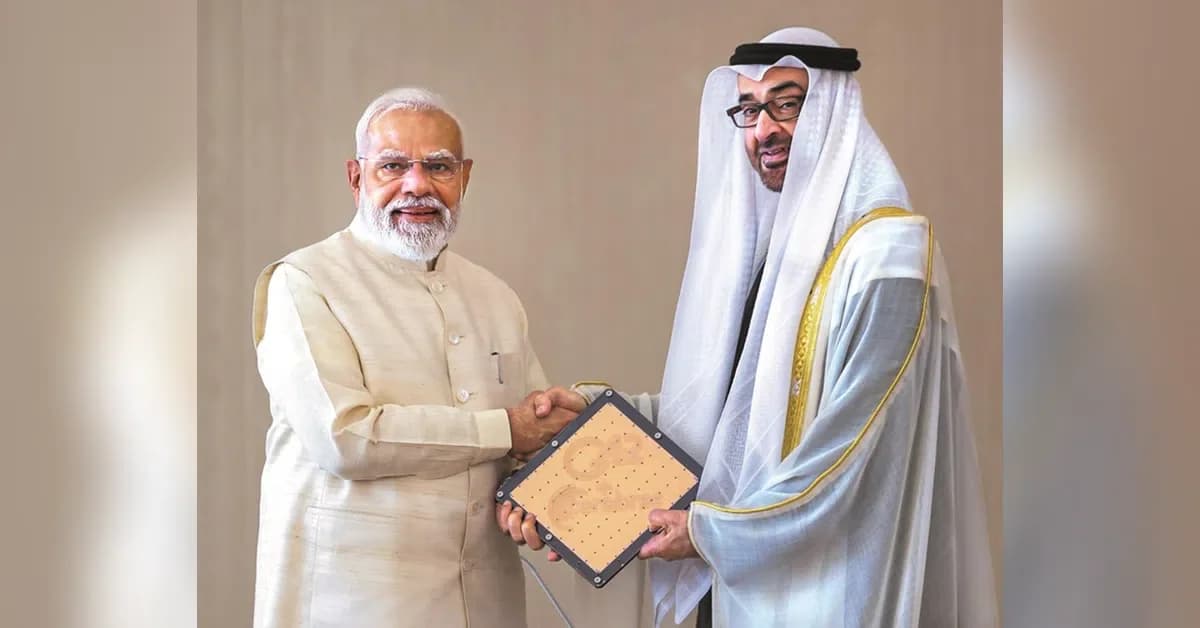
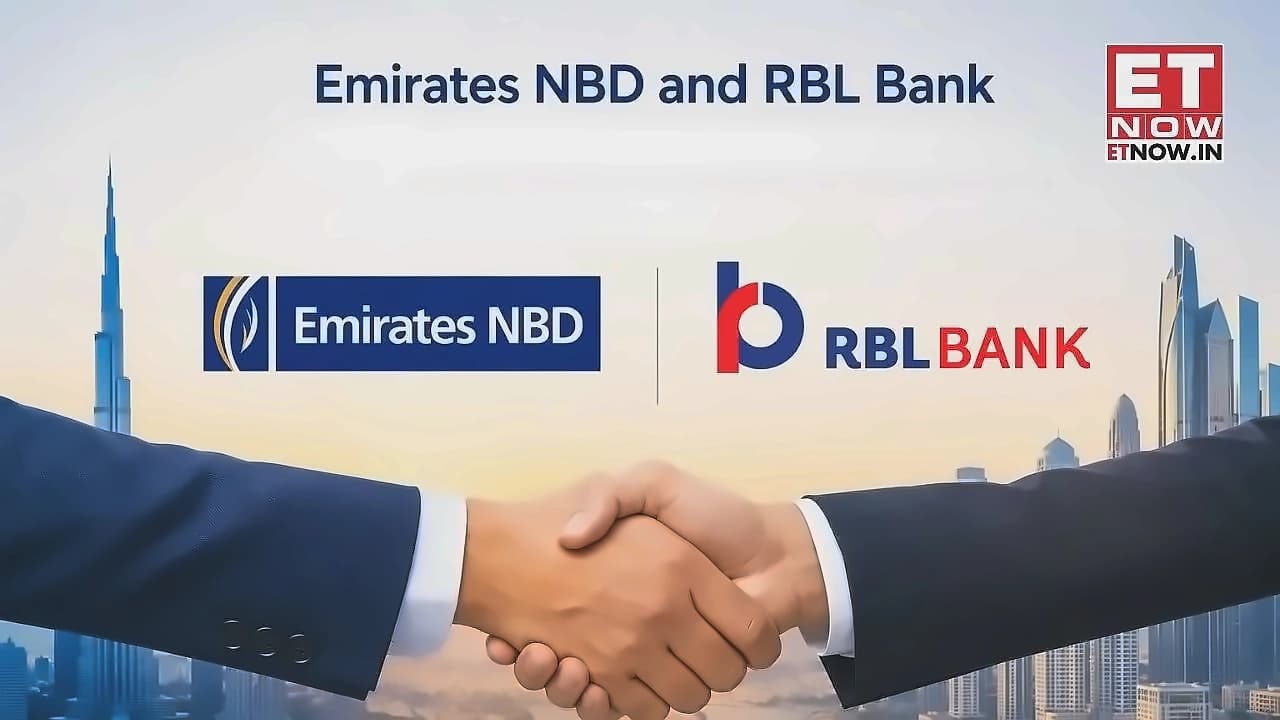
The United Arab Emirates announced investments worth $5 billion by its entities in India during Prime Minister Narendra Modi's official trip to Abu Dhabi. According to official statements, the investment includes $3 billion by the Emirates New Development Bank (ENDB) in RBL Bank of India, $1 billion by the Abu Dhabi Investment Authority (ADIA) with the National Infrastructure & Investment Fund (NIIF) in priority infrastructure projects, and $1 billion by the International Holding Company in Sammaan Capital of India. Both sides described the agreements as a step toward strengthening long-term strategic cooperation, with the funds directed toward infrastructure development and selected financial institutions. The investment is expected to support India's infrastructure growth and financial sector expansion, reflecting growing confidence in India's economic outlook among Gulf investors.
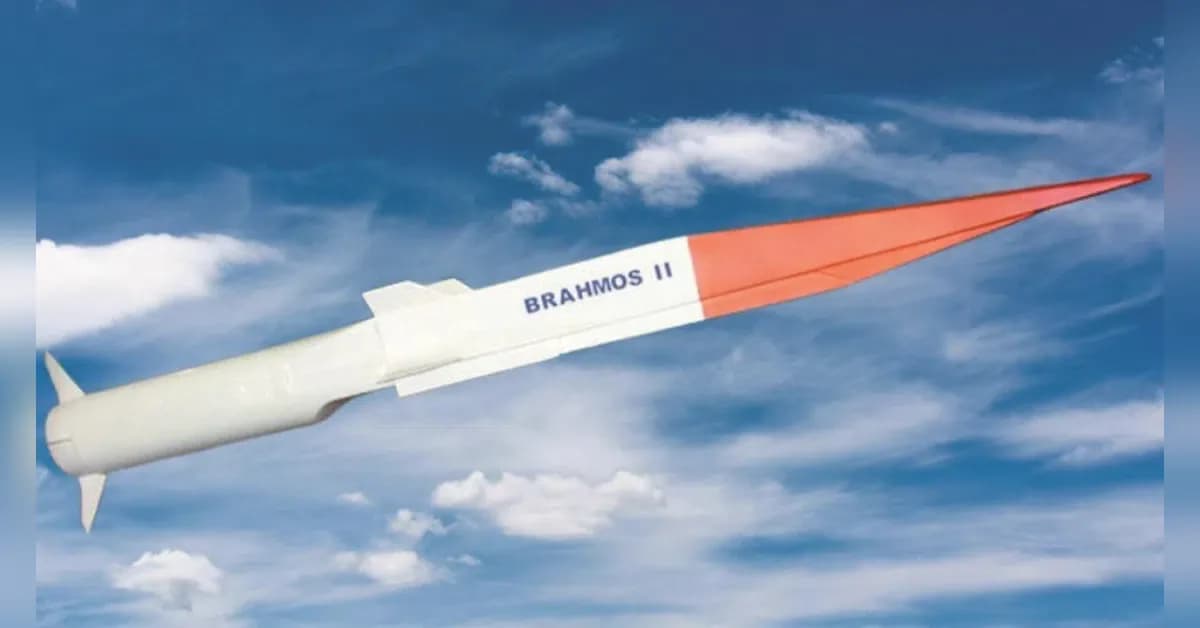
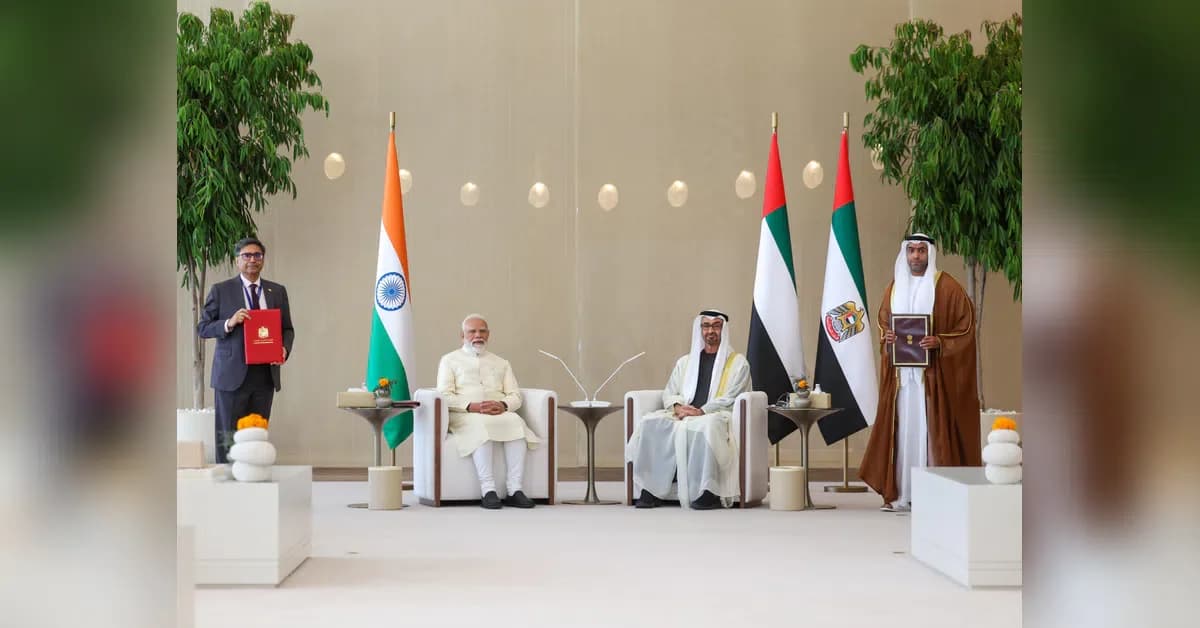
During the PM's visit, India and the UAE signed the Framework for the Strategic Defence Partnership, under which they agreed on deepening defence industrial collaboration and cooperation on innovation and advanced technology, training, exercises, and maritime security. According to official announcements, PM Modi reaffirmed India's strong condemnation of attacks on the UAE and expressed solidarity with the leadership and people of the UAE. In remarks made to Emirati President Sheikh Mohamed bin Zayed Al Nahyan, Modi expressed strong condemnation for "the attacks launched on the UAE," referring to Iranian strikes on the Gulf state in response to the US-Israeli war on Iran. He said India's clear position is in favour of ensuring safe transit passage and unimpeded navigation through the Strait of Hormuz, which is vital for enduring regional peace and stability. Both sides pledged continued coordination on regional stability and economic growth amid shifting global economic conditions.
The two countries signed a Memorandum of Understanding on Strategic Petroleum Reserves and an agreement on supplies of Liquefied Petroleum Gas (LPG), significantly boosting cooperation in the energy sector. As reported by official sources, the additional pipeline will allow vessels, including Indian vessels and those commissioned by Indian companies, to load more oil and liquefied petroleum gas (LPG) shipments from the Fujairah oil terminal. The UAE's crude oil production capacity currently stands at 4.85 million barrels per day, though actual production is around 3.4 million barrels per day, and it intends to raise output following its exit from OPEC and OPEC+. The agreements aim to improve stability in energy trade and enhance mutual strategic interests through deeper collaboration in energy security, including oil reserves and liquefied petroleum gas supply. However, the deals come amid a major oil crisis in India as a result of the ongoing US-Israeli war on Iran, with India depending on imports for 90 percent of its oil supply and the closure of the Strait of Hormuz causing the country's inventories to decline by 15 percent.
In the maritime sector, both sides signed an MoU on setting up a Ship Repair Cluster at Vadinar, Gujarat, including offshore fabrication facilities under India's Maritime Development Fund Scheme. The comprehensive collaboration also includes strategic partnerships between Indian Oil Corporation Limited (IOCL) and ADNOC on liquefied petroleum gas (LPG) supplies, exploring potential opportunities in LPG sale and purchase, and entry into long-term LPG sale and purchase agreements. Additionally, an agreement was signed to set up a computer cluster as part of AI Mission India. Both governments emphasized the importance of sustained financial cooperation and the visit reinforced their strategic partnership across defence, energy, and investment sectors. The deals aim to improve stability in energy trade and enhance mutual strategic interests through expanded defence cooperation through new strategic frameworks.
PM Modi's visit to the UAE was part of his five-nation tour from May 15-20, covering the United Arab Emirates, the Netherlands, Sweden, Norway and Italy, aimed at deepening India's strategic partnerships across trade, technology, energy, innovation and green growth, while reinforcing New Delhi's expanding engagement with Europe and the Gulf region. After the UAE, PM Modi will travel to the Netherlands from May 15-17, where he is scheduled to hold talks with Dutch Prime Minister Rob Jetten and meet King Willem-Alexander and Queen Maxima. The visit is expected to focus on sectors such as semiconductors, green hydrogen, innovation, defence and water management. The comprehensive tour reflects India's strategic approach to diversifying partnerships while strengthening existing relationships with key economic and security partners.