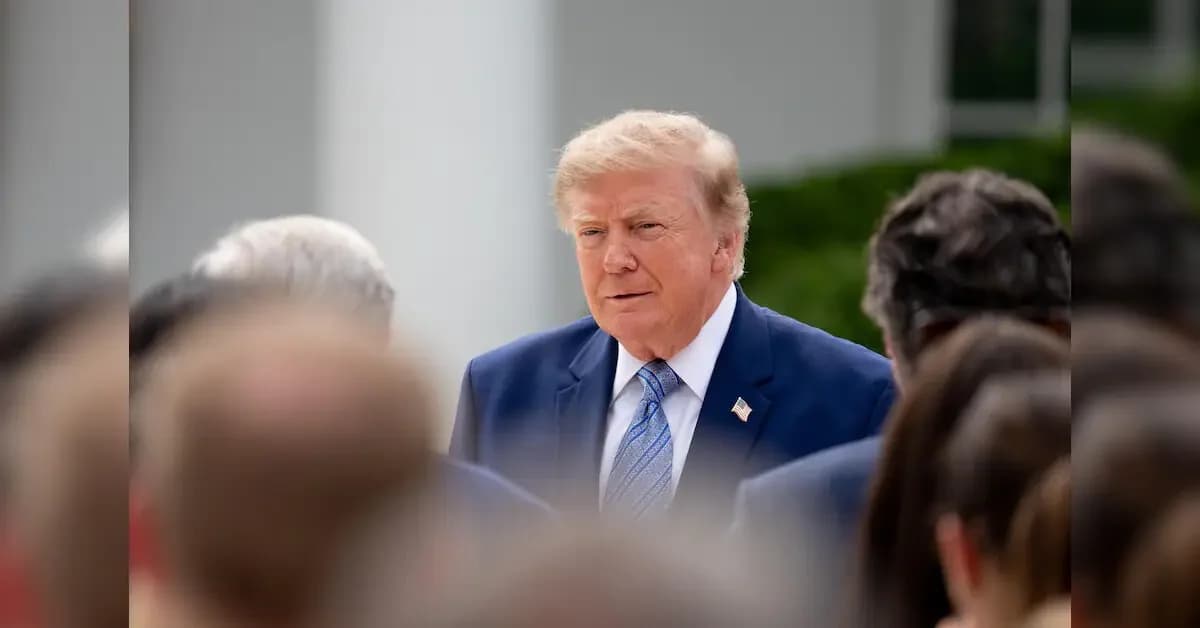
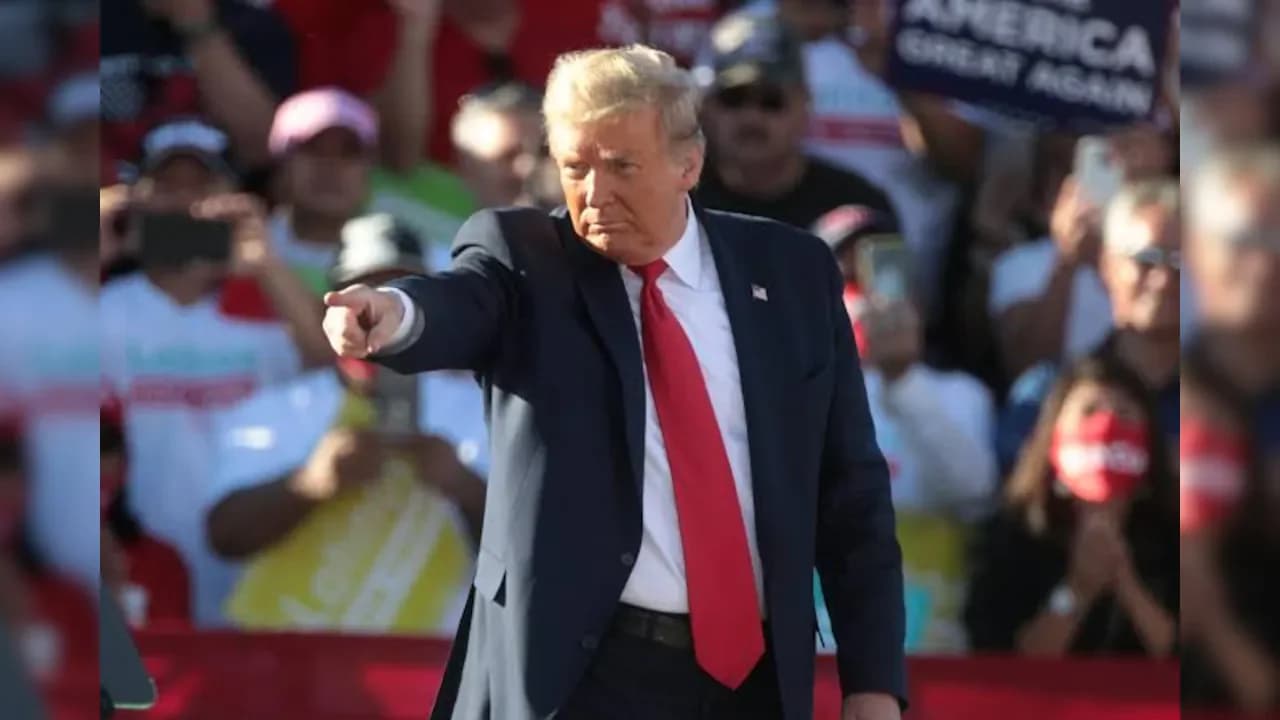
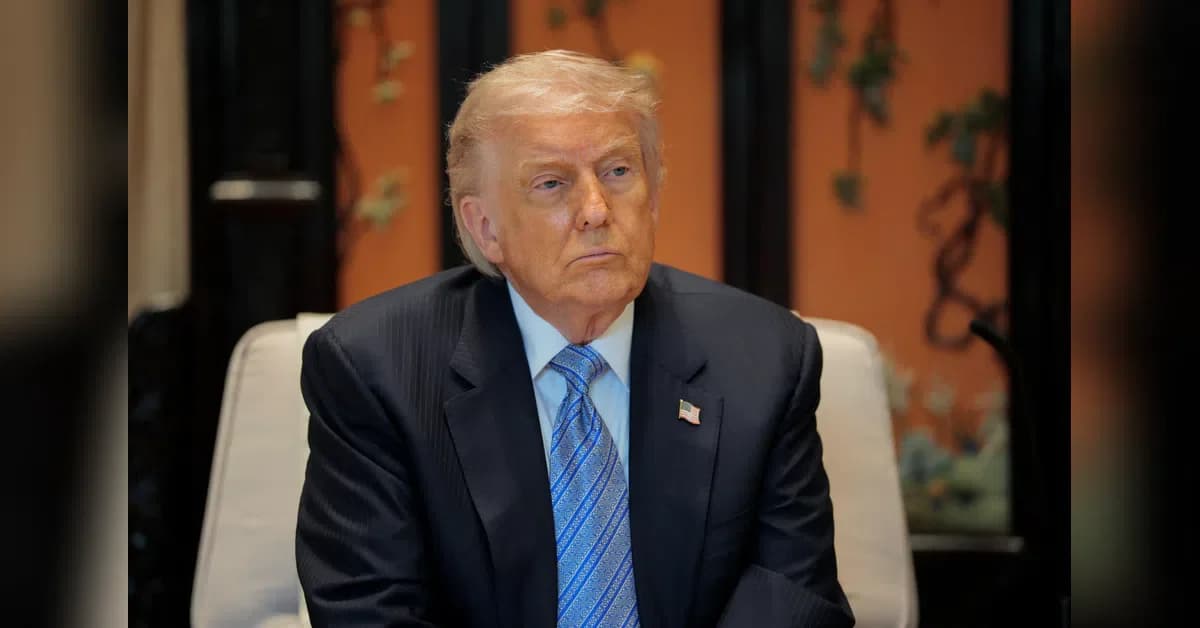
Democratic lawmakers are mounting significant criticism of Trump's Iran policy, with Senator Reed leading the charge against what he calls a 'war of choice'. According to Reuters, Reed accused the administration of failing to notify or consult Congress before initiating military action, calling it a violation of constitutional process. The senator stated that 'we are now paying the price' for this decision, pointing to conflicting statements from White House officials on economic outlook. This criticism comes as nearly 77% of registered voters across the political spectrum believe Trump is responsible for the surge in fuel prices, according to a newly released Reuters/Ipsos poll.
The Trump administration has launched an unprecedented emergency oil reserve program to control global prices amid the US-Iran conflict. According to EnergyNow, the Department of Energy took bids from energy companies until late Tuesday for initial swaps totaling up to 86 million barrels of oil from the Strategic Petroleum Reserve. The exchange is part of a wider agreement by countries in the International Energy Agency to release 400 million barrels of crude from reserves, with global oil prices closing above $103 per barrel as the Strait of Hormuz remains mostly shut to oil transit. The swap structure requires companies to pay back 18-22% interest in the form of additional barrels, with the highest rate of 22% for sour crude that US refineries process, to be returned with sweet crude from domestic producers.
Gasoline prices have reached $4.031 per gallon nationally as of April 24, 2026, according to AAA's latest fuel price report, showing a six-cent decrease from last week's $4.093 but remaining the highest for this time of year since 2022. Officials have provided conflicting timelines for price relief. Treasury Secretary Scott Bessent expressed confidence that gas prices would hit $3 per gallon sometime this summer during a White House press briefing, stating that prices have fallen 'substantially in just the past 10 days.' However, Energy Secretary Chris Wright told CNN that relief may not happen 'until next year' as continued disruptions in global shipping routes persist through the Strait of Hormuz. Trump dismissed Wright's outlook, telling The Hill that Americans should expect higher gas prices for a while, stating 'You know what they get for that? Iran without a nuclear weapon.'
Trump's second-term energy push began before he returned to office, with oil and gas interests providing substantial financial backing. According to a 2025 analysis by Climate Power, the oil and gas industry spent around $445–$450 million during the 2024 election cycle to influence Trump and Republican leaders. Out of this total, nearly $96 million flowed directly into Trump's campaign and affiliated groups, while approximately $243 million was spent on lobbying efforts alongside tens of millions more in pro-industry advertising. As reported by The Times of India, this scale of backing is not unusual in US politics but the alignment that followed is unusually direct, with the policy roadmap of Trump 2.0 mirroring long-standing priorities of the oil and gas industry.
Within months of taking office, Trump doubled down on domestic production as promised during his campaign. According to The Times of India, his administration expanded leasing in federal lands, accelerated offshore drilling approvals, and rolled back environmental review timelines. The Trump administration granted approval for almost 6,000 drilling permits on federal lands, marking a 55% rise compared to the equivalent timeframe in 2024-2025. By early 2026, Washington sustained near-record production levels while expanding export infrastructure. In February, addressing the 2026 State of the Union, Trump stated that American natural gas production is at an all-time high and American oil production is up by more than 600,000 barrels a day.
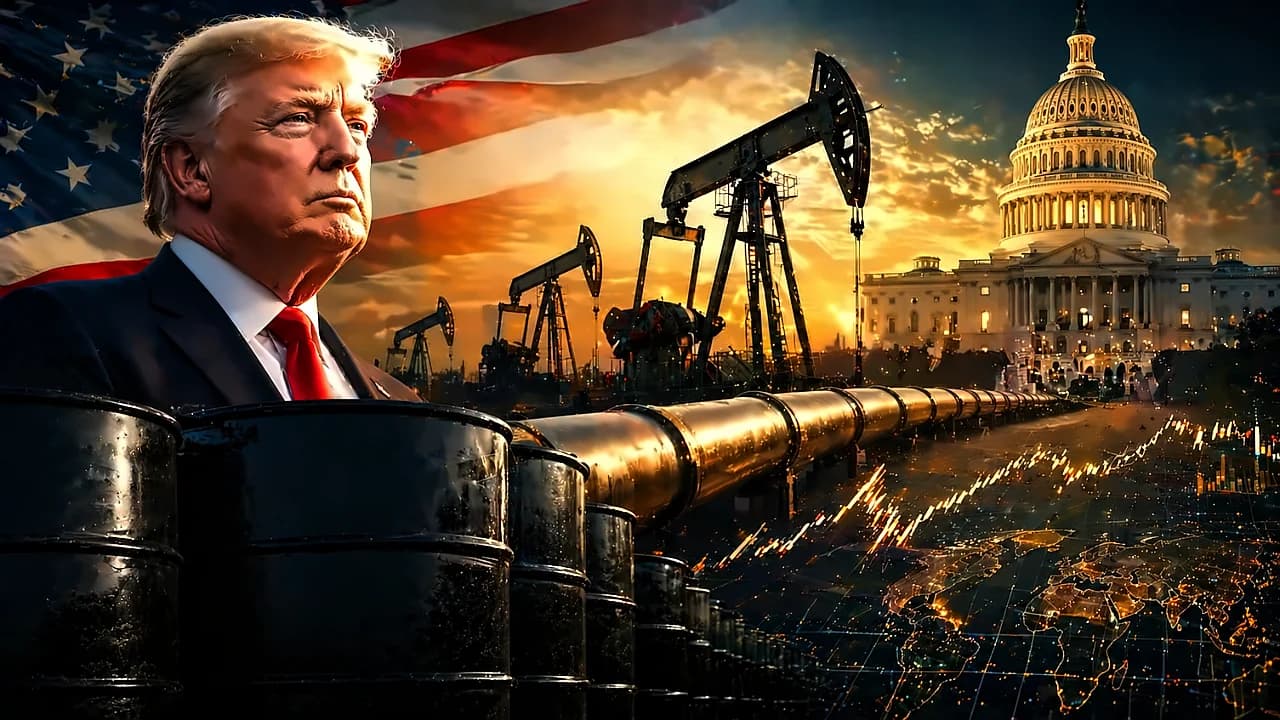
Sanctions have emerged as a powerful tool in Trump's oil strategy, with tightened restrictions on Russian energy exports disrupting established trade routes. According to The Times of India, since 2025, sanctions on Russian energy have tightened in phases, targeting not just exports but also shipping, insurance, and financial transactions linked to oil trade. In January, US forces captured President Nicolás Maduro, following months of naval blockades and oil tanker seizures that disrupted Venezuela's exports. The Trump administration moved quickly to integrate Venezuela's oil into US-linked supply chains, with Washington overseeing initial oil sales worth about $500 million as part of a broader $2 billion arrangement.