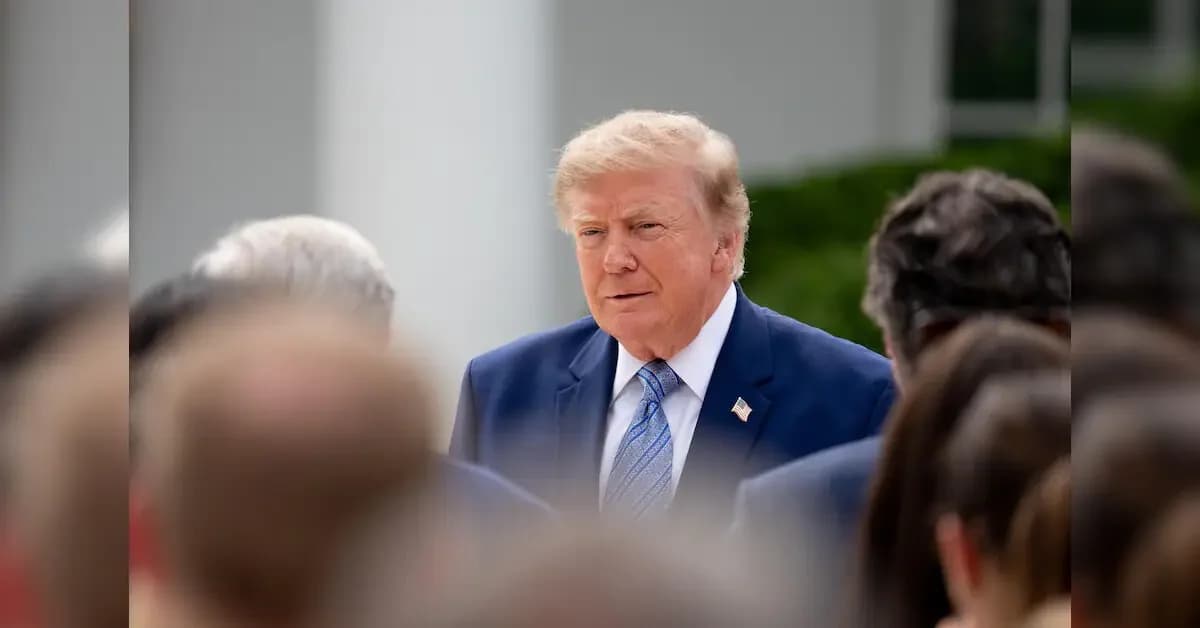
President Donald Trump is scheduled to meet with US oil refining executives on Tuesday, September 1 in the afternoon, according to reports from Bloomberg and UNN. The meeting will include representatives from at least 10 fuel makers and distributors, as described by people familiar with the matter who requested anonymity due to the private nature of the session. The invited companies span the refining spectrum, from large integrated oil companies to smaller independent fuel makers, including Marathon Petroleum Corp., Delek US Holdings Inc., Chevron Corp., PBF Energy Inc. and Valero Energy Corp. As per Reuters, the meeting is specifically scheduled for the week following August 27, 2026, as the administration presses the industry to lower gasoline prices that have remained above $4 per gallon. The session will give Trump an opportunity to hear directly from industry executives about market dynamics, what can be done to lower gasoline prices and how to bolster domestic fuel refining capacity, according to people familiar with the matter.
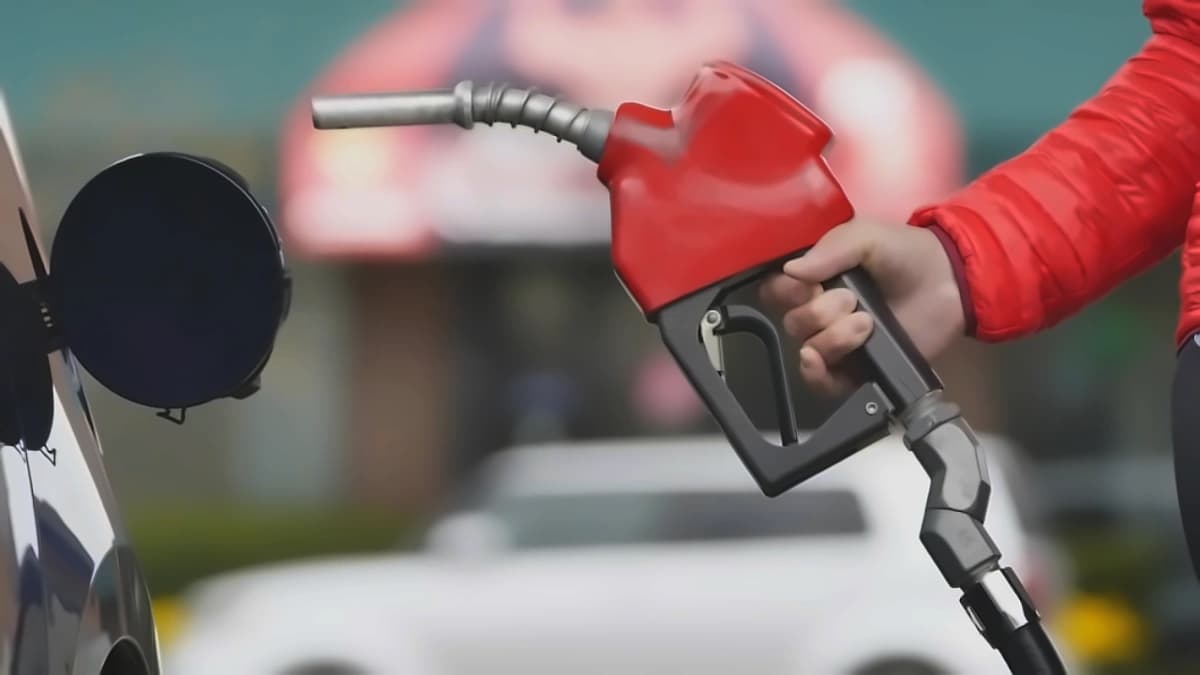
The meeting comes as gasoline prices have reached $4.10 per gallon and diesel prices are nearly $6 per gallon on average nationwide, according to the American Automobile Association as reported by Bloomberg and UNN. While the nationwide average cost of a gallon of unleaded gas plummeted to $2.79 in January, it has climbed since the cascade of disruptions in the Middle East following the Iran war. Gasoline prices have fallen from this year's peak of more than $4.50 per gallon in May but remain about $1 higher than at the February 28 start of the war. US fuel prices are at the highest seasonal level ever, making them a highly visible political liability for the administration. These prices represent a $1-per-gallon increase spread across the roughly 140 billion gallons of gasoline Americans consume annually, making them a highly visible political liability for the administration. The ongoing military conflict with Iran, which began on February 28, has rattled oil markets and eroded public confidence, with only 31% of Americans supporting the engagement, according to Reuters/Ipsos polling.
The US refining fleet has contracted in recent years, with fuel makers currently capable of processing 18 million barrels of oil daily, down from a 2020 peak capacity of 19 million daily barrels, according to Bloomberg and UNN. This means plants across the country, which collectively processed 17.4 million barrels of oil last week, are pushing their equipment to the limit to meet both domestic demand and exports for a tight global fuels market. The president has already issued a presidential determination invoking the Defense Production Act and allowing potential use of federal funds to support refining projects. Trump has also allowed foreign ships to transport oil and other commodities around the US, waiving longstanding Jones Act requirements for American-flagged, -owned and -operated vessels in a bid to ensure fuel supplies and lower costs amid the war. While the president scaled back the reach of his Jones Act waiver in August, some refiners may stress that this has limited relief unnecessarily, according to people familiar with the matter.

The meeting also addresses the Trump administration's consideration of ways to unlock more oil flows from Venezuela, with refiners Valero and Chevron among the top users of Venezuelan crude, as reported by Bloomberg and UNN. Additionally, refiners are expected to present ideas for expanding domestic refining capacity or addressing disincentives to operation, including potential changes in state and federal policy. The administration is weighing expanded small-refinery biofuel blending exemptions that could affect 1.2 to 1.8 billion Renewable Identification Numbers (RINs), which would reduce compliance costs for smaller refiners. Decisions on these waivers are expected by the end of August 2026. The Environmental Protection Agency is deciding by the end of the month whether to exempt some small refineries from annual quotas under the US Renewable Fuel Standard, with the scope of those exemptions and the extent to which the EPA might reallocate waived biofuel quotas to other refineries being a heated issue for key Trump constituencies. The stakes of the debate have only intensified since the Trump administration set record-high biofuel-blending requirements earlier this year, raising costs for some refiners and making the exemptions much more lucrative.
Elevated fuel prices present a political headwind for the president, who has sought to soothe cost-of-living anxieties before the November midterm elections that will decide control of Congress, according to Bloomberg and UNN. Trump took office promising to rein in pump prices, but while the nationwide average cost of a gallon of unleaded gas plummeted to $2.79 in January, it's climbed since the cascade of disruptions in the Middle East that have been a consequence of the Iran war. The president's approval rating sits at 33%, according to Reuters/Ipsos polling, while only 31% of Americans support the ongoing military engagement with Iran, as reported by Reuters. Trump has publicly urged refiners to pass savings along to consumers, but the administration's efforts to lower gasoline prices have faced mixed results as the industry continues to benefit from strong demand and limited refining capacity. At the meeting, companies may also raise the issue of federal and state restrictions, biofuel-use quotas, and other regulatory requirements that, according to the industry, affect the cost of fuel production.