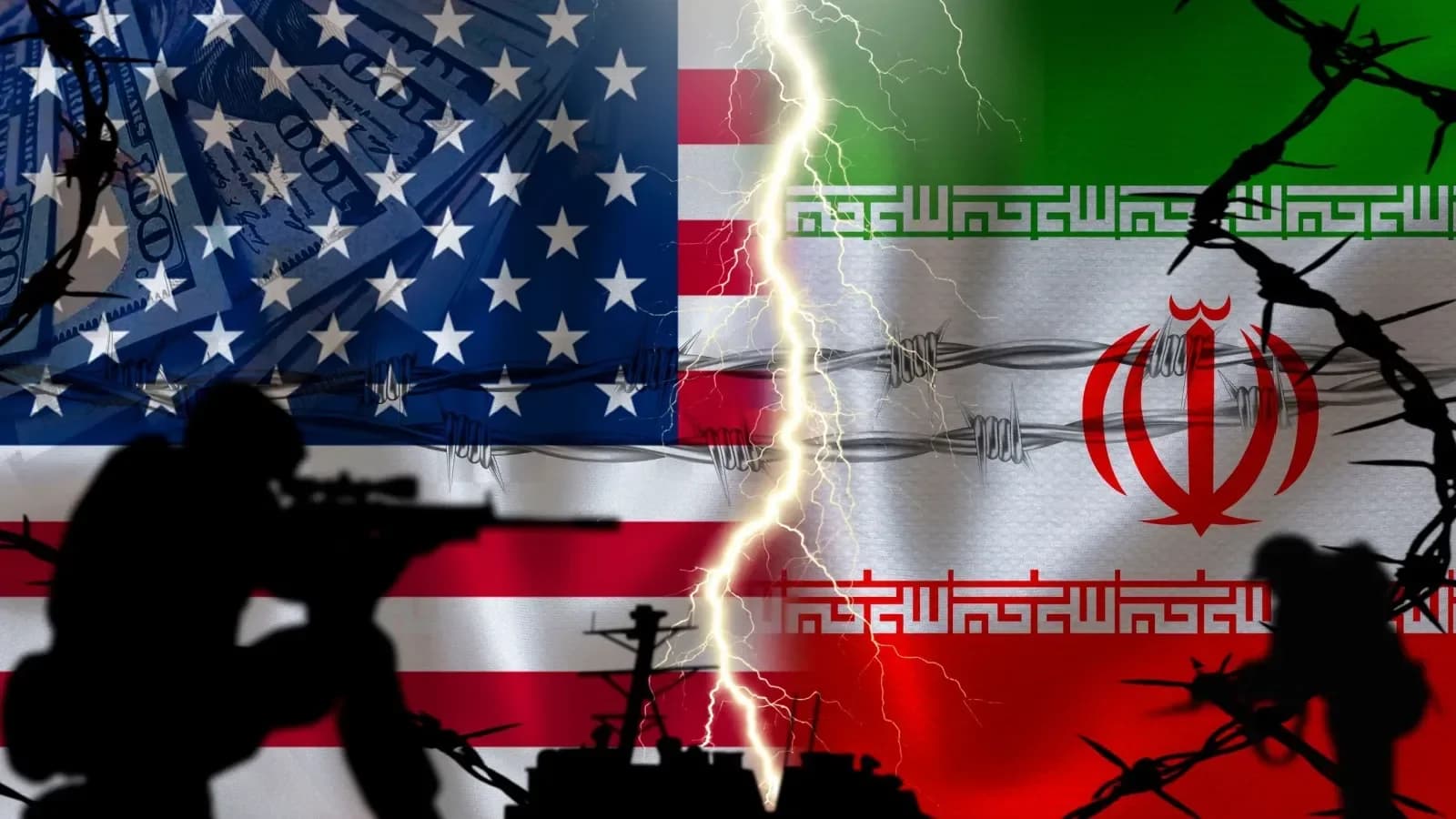
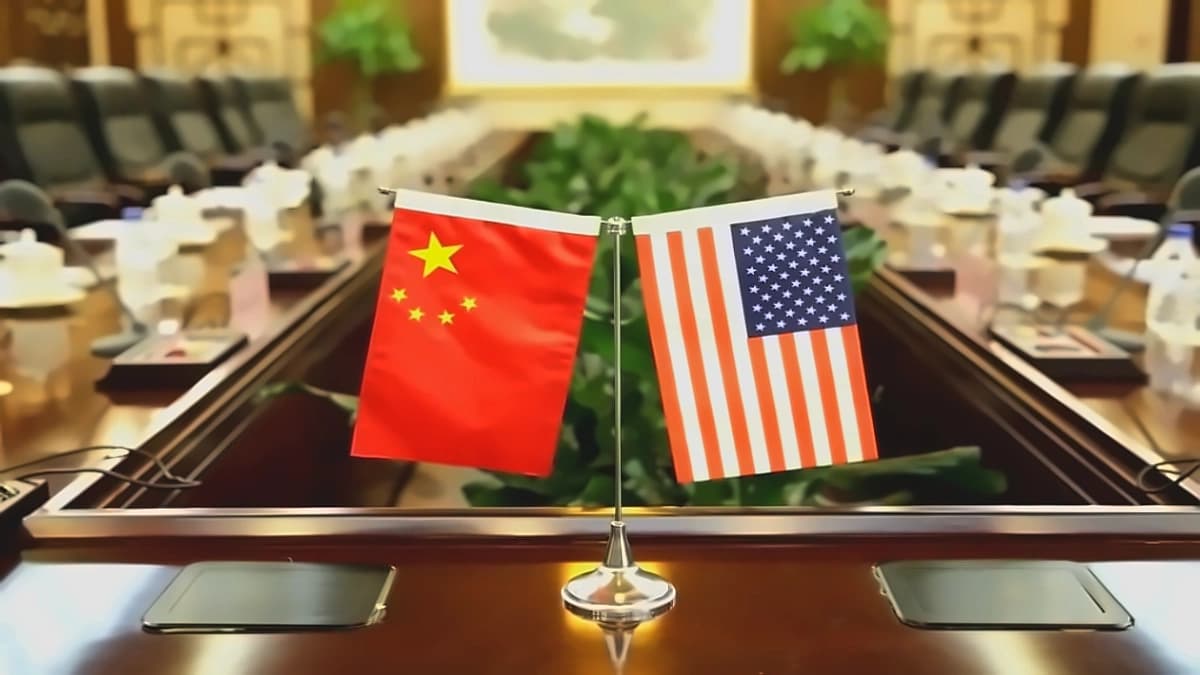
US President Donald Trump and Chinese President Xi Jinping reached a significant agreement during their bilateral talks in Beijing, with both leaders sharing a common position on Iran's nuclear ambitions. According to a statement issued by the White House following the meeting, both countries agreed that Iran can never have a nuclear weapon. This development represents a notable alignment between the two superpowers on one of the most critical security issues facing the Middle East region. The agreement comes amid an impasse in peace negotiations between Washington and Tehran aimed at ending their months-old war and reopening safe passage through the Strait of Hormuz, a key shipping lane for oil, fertilizer and other commodities. However, President Trump has indicated he doesn't need President Xi's help with ending the conflict, suggesting the US will continue pursuing its own diplomatic approach.
The leaders also emphasized the strategic importance of maintaining free access to the Strait of Hormuz, which serves as a critical energy corridor for global trade. As reported by the White House, the two sides agreed that the Strait of Hormuz must remain open to support the free flow of energy. Xi Jinping specifically voiced China's opposition to any attempt to militarize the strategic waterway or impose transit charges on global shipping. The White House statement noted that President Xi also made clear China's opposition to the militarization of the Strait and any effort to charge a toll for its use. This commitment is particularly significant as China has been apprehensive about the conflict, as disruptions to shipping in the waterway could imperil its energy supplies. The situation has become so delicate that fears have swelled, threatening to spark a wider global conflict.
The discussions also addressed China's energy diversification strategy and potential cooperation with the United States. According to the White House statement, Xi expressed interest in purchasing more American oil to reduce China's dependence on the Strait in the future. This development comes amid growing global concerns over the security of the Strait of Hormuz, which carries nearly a fifth of the world's oil supply. The White House noted that any disruption in the passage is closely watched by energy markets and major importers, including China. The leaders also discussed ways to enhance economic cooperation between the countries, including expanding market access for American businesses into China and increasing Chinese investment in US industries. US CEOs are also making pitches for expanded business ties during the ongoing meeting, indicating strong commercial interest from both sides.
The summit also addressed the sensitive issue of Taiwan, with Xi telling Trump that the Taiwan question is the 'most important issue' in US-China relations and warning that if it is not handled properly, the two countries will have clashes and even 'conflicts,' putting the entire relationship 'in great jeopardy'. A Chinese handout following the talks said Taiwan "is the most important issue in China-U.S. relations," and stated that a poor diplomatic effort could mean "the two countries will clash or even come into conflict, pushing the entire China-U.S. relationship into a very dangerous place." Xi also posed a question about whether the US and China can overcome the 'Thucydides Trap' -- a term describing the high risk of conflict between an emerging power and an established power due to structural stress. Xi expressed his belief that 'China and the United States both stand to gain from cooperation and lose from confrontation,' stating that 'China and the United States should be partners, not rivals' and should help each other succeed and prosper together. The meeting marked Trump's first trip to China since November 2017, with both leaders signaling their desire to stably manage bilateral ties through future meetings including the Asia-Pacific Economic Cooperation summit in Shenzhen in November and the Group of 20 gathering in Florida in December.

Despite the positive outcomes, the summit was marked by several diplomatic incidents that highlighted underlying tensions. According to The Hill, entry was delayed by around 90 minutes due to "intense discussion" between officials from the two sides. During the ceremonial visit to the Temple of Heaven, Chinese security barred Secret Service agents from bringing their guns inside, leading to a confrontation that was captured on camera. As reported by The Guardian, a sweary skirmish broke out during the summit between the US and China, with an unnamed person with an American accent telling Chinese security to "get the f--- out of here." Treasury Secretary Scott Bessent defended Trump's negotiating approach, stating that "President Trump understands the issues here and understands the sensitivities around all this, and anyone who has been saying otherwise does not understand the negotiating style of Donald Trump."