Asian markets retreated and oil prices surged on Monday, May 18, 2026, following US President Donald Trump's warning that the 'clock is ticking' for Iran. According to The Hindu, US futures fell more than 0.6% while Brent crude gained 1.9% to $111.31 per barrel and benchmark US crude traded 2.3% higher at $107.83 per barrel. The 10-year Japanese government bond yield surged to 2.8%, its highest level since the late 1990s, while the US 10-year Treasury yield reached around 4.63%, up from 4.47% last Thursday. Japan's Nikkei 225 fell 0.9% to 60,843.09 after reaching all-time intraday highs above 63,000 last week, with technology-related stocks leading the decline. Hong Kong's Hang Seng lost 1.6% to 25,543.32, while Australia's S&P/ASX 200 declined 1.4% to 8,508.40 and India's Sensex fell 0.6%.
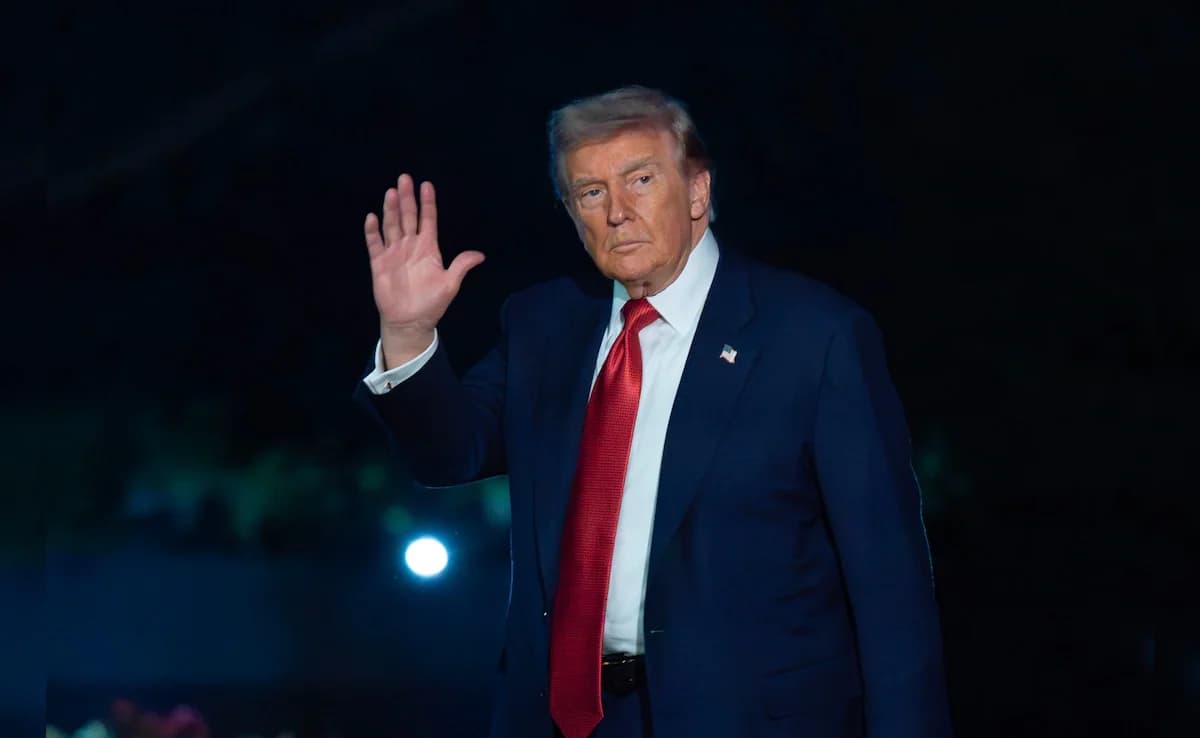
US President Donald Trump has escalated his threats against Iran with a stark warning on his Truth Social platform: 'For Iran, the clock is ticking, and they better get moving, FAST, or there won't be anything left of them.' The latest message, delivered in a two-sentence post, represents an intensification of Trump's previous warnings that Iran faces devastating military consequences if it fails to come forward with a credible offer to end the ongoing war. As per Al Jazeera, Trump's latest post was accompanied by an AI-generated image of himself atop a military ship, labeled 'It was the calm before the storm', demonstrating his continued use of violent rhetoric against Iran as his administration struggles to achieve its goals in the war. The president has previously threatened to attack Iran's civilian infrastructure, including power plants and bridges, which legal experts warn could amount to a violation of the Geneva Convention.
Trump is expected to convene his top national security team in the Situation Room on Tuesday, May 19 to discuss military options, as reported by Axios. He also spoke Sunday with Israeli Prime Minister Benjamin Netanyahu about the situation. The weekend prior, Trump had already met with Vice President JD Vance, envoy Steve Witkoff, Secretary of State Marco Rubio, and CIA Director John Ratcliffe at his Virginia golf club to assess the negotiations. According to Axios, Trump told the publication he still believes Iran wants a deal and said he is waiting for an updated Iranian proposal, one he hopes will be stronger than Iran's last offer. However, as reported by Al Jazeera, Iranian officials have rejected Trump's demands as excessive, with Mehr news agency stating that the US has offered 'no tangible concessions' in its latest proposals. Trump has set deadlines for Iran and then backed off, so investors have remained cautious about the situation in the Strait of Hormuz and how it is impacting global energy flows.
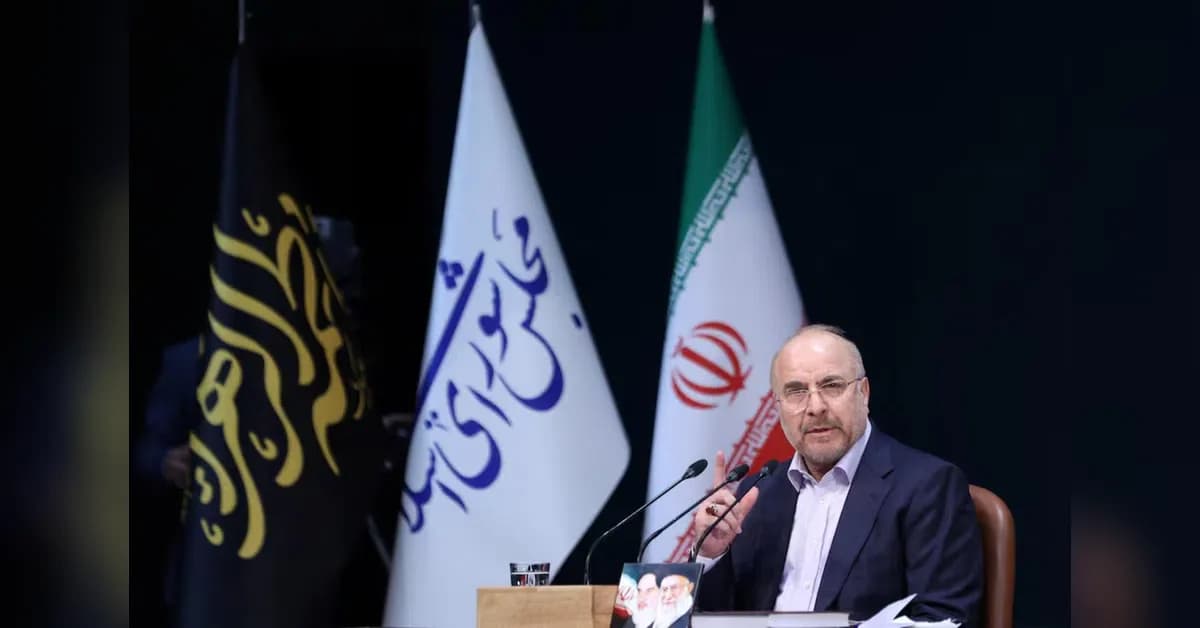
At the center of the standoff is a US five-point proposal that Tehran has so far rejected. As reported by Axios, the five points include: Tehran would keep only one nuclear site operational, the Islamic Republic would transfer its stockpile of highly enriched uranium to the US, the US would not release 'even 25%' of Iran's frozen assets abroad, there would be no compensation for damage inflicted on Iran during the war, and hostilities on all fronts must cease at the start of negotiations. Iranian officials have insisted that uranium enrichment is non-negotiable, leaving the talks in a deep impasse. According to Mehr news agency, Iran has accused the US of seeking 'concessions that it failed to obtain during the war', a strategy that 'will lead to an impasse in the negotiations'. A spokesperson for Iran's armed forces, Abolfazl Shakarchi, warned the US against further threats, stating that 'repeating any folly to compensate for America's disgrace in the Third Imposed War against Iran will result in nothing but receiving more crushing and severe blows.'
The war, which began on February 28, 2026 when the US and Israel launched strikes on Iran, has seen multiple diplomatic attempts to reach resolution. On April 7, 2026, US President Donald Trump declared a two-week ceasefire with Iran. However, as reported by Al Jazeera, within hours of Trump's latest post, the US and Iran agreed to a ceasefire that has been in place ever since, though both sides have accused each other of violations. On April 11, 2026, Iran and the US held several rounds of talks in Islamabad, however, both sides later reported that they were unable to reach an agreement on a long-term settlement of the conflict due to a number of contradictions. On April 21, 2026, US President Donald Trump announced his intention to extend the ceasefire with Iran. According to Iranian state television, Tehran does not recognize Washington's unilateral ceasefire extension and will act as it deems necessary in its interests. According to Al Jazeera reporting from Tehran, the Iranian government has indicated that violent rhetoric from the US will not be tolerated, with officials projecting 'defiance rather than an immediate response' to such threats. A drone strike over the weekend on a United Arab Emirates' nuclear power plant added to worries over potential escalation in the conflict.