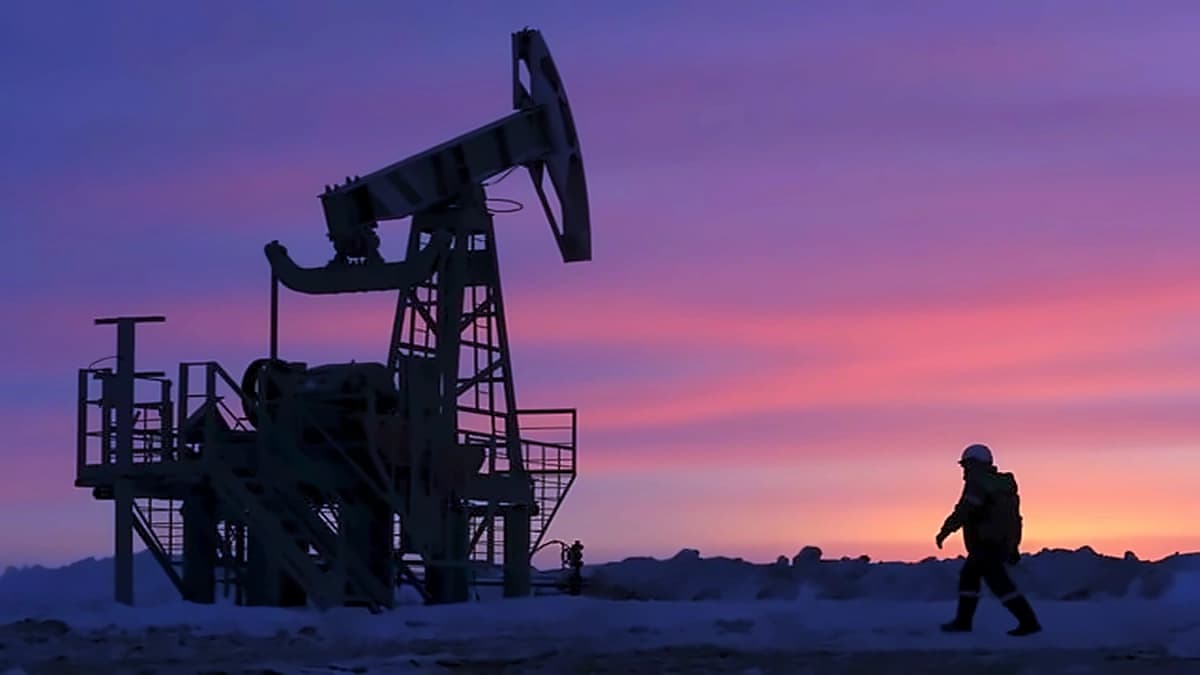
Oil prices extended their rally for a third consecutive day as tensions between the US and Iran over a potential peace deal intensified. According to Bloomberg reports, Brent crude advanced toward $111 per barrel, building on gains of nearly 8% last week. West Texas Intermediate rose above $107, reflecting continued market concerns about supply disruptions in the Middle East. The sustained price momentum comes as both sides remain far apart on negotiations to end weeks of conflict and reopen the crucial Strait of Hormuz waterway. The war has led to an effective blockade of the critical Strait of Hormuz, through which some 20 percent of global oil exports pass in peacetime, and has drawn neighbors Israel and Lebanon into deadly side conflicts.
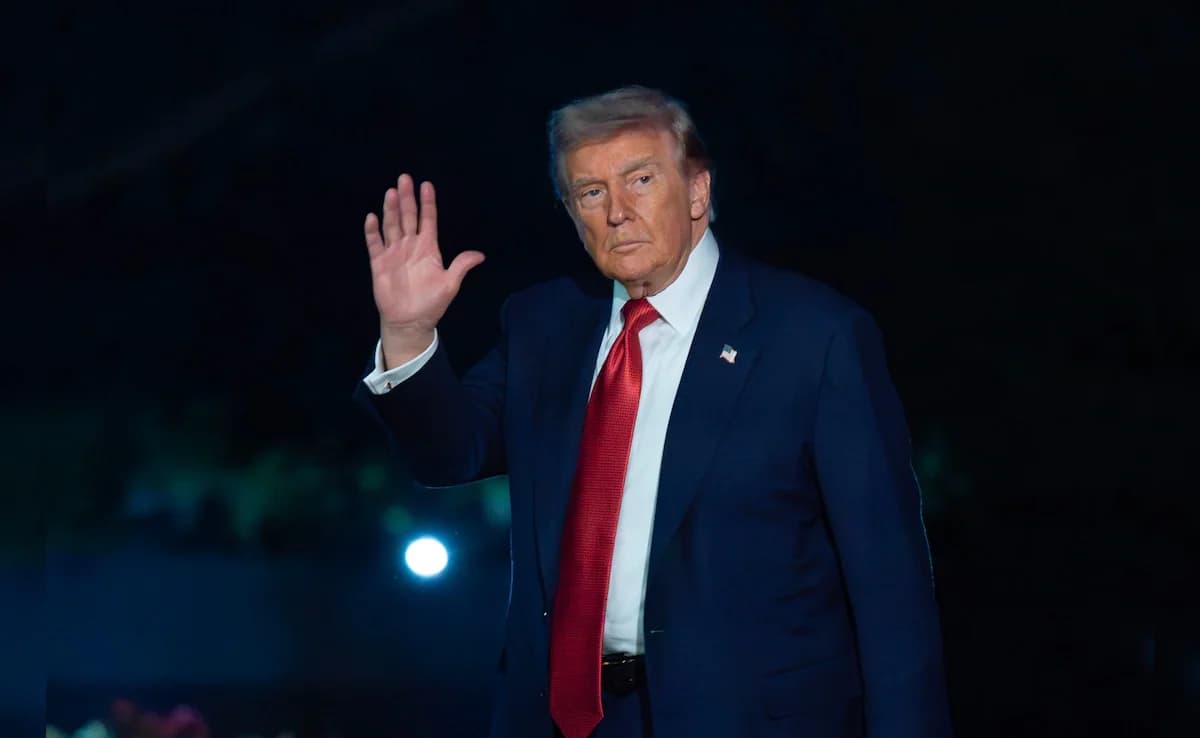
President Donald Trump issued a fresh warning to Iran on Sunday, stating that 'For Iran, the Clock is Ticking, and they better get moving, FAST, or there won't be anything left of them. TIME IS OF THE ESSENCE!' As reported by Bloomberg, Trump met Saturday with key advisors including Vice President JD Vance, White House envoy Steve Witkoff, Secretary of State Marco Rubio and CIA Director John Ratcliffe to discuss the ongoing war situation. Trump told Axios that 'We want to make a deal,' adding he's waiting for an updated Iranian proposal, stating 'They are not where we want them to be. They will have to get there or they will be hit badly, and they don't want that.' The latest warning comes after Trump and his Chinese counterpart Xi Jinping discussed Iran during their high-stakes summit earlier this week, but there appeared to be little headway on Iran. Trump has now delivered the fresh warning to Iran to sign a peace deal, issuing threats over social media, claiming the 'clock is ticking' as reported by #9News. Social media responses to Trump's latest warning have been mixed, with some supporting the stance while others criticizing the approach.

According to Fox News reports, two regional intelligence officials revealed that the prevailing assessment inside Iran is that President Trump may resort to restarting military action, and Tehran is now deliberately pursuing a strategy of 'deception and delay' with the hopes that buying time will complicate any potential return to war. The Iranian regime has been engaging in systematic delay tactics for decades, as reported by multiple sources. Iranian officials believe that accepting USA terms would change the ideology of the regime and that will never happen, with all ceasefire and attempted negotiations viewed as a waste of money and time for something impossible. Iranians believe that President Trump and Prime Minister Netanyahu will stand by them until regime change and the establishment of free elections, according to social media reports. The regime maintains that accepting USA terms is to change the ideology of this regim and that will never happen, with all negotiations viewed as systematic delay tactics.
The conflict has drawn neighbors into deadly side conflicts, with an Israeli military official saying Hezbollah had fired around 200 projectiles at Israel and its troops over the weekend, despite Israel and Lebanon agreeing to extend a ceasefire. Lebanon's health ministry said new Israeli strikes Sunday on the country's south killed five people, including two children, with Israeli attacks since the start of the war killing more than 2,900 people in Lebanon, including 400 since the truce began on April 17. At least eight Palestinians were killed in multiple Israeli strikes on the Gaza Strip on Sunday, according to health officials in the enclave. Russian President Vladimir Putin discussed the Iran conflict with his counterpart from the United Arab Emirates, Mohammed bin Zayed Al Nahyan, with the Kremlin stating that 'Both sides emphasised the importance of continuing the political and diplomatic process aimed at reaching compromise-based peace agreements.' The UAE was the main target of Iranian missile and drone attacks during the regional war sparked by US and Israeli strikes on the Islamic Republic in late February, cutting off most oil exports and damaging its image as a safe haven. Pakistan's interior minister Mohsin Naqvi arrived in Tehran on Saturday for a two-day official visit as part of Islamabad's ongoing efforts to facilitate talks and promote regional peace, as reported by Tasnim news agency.