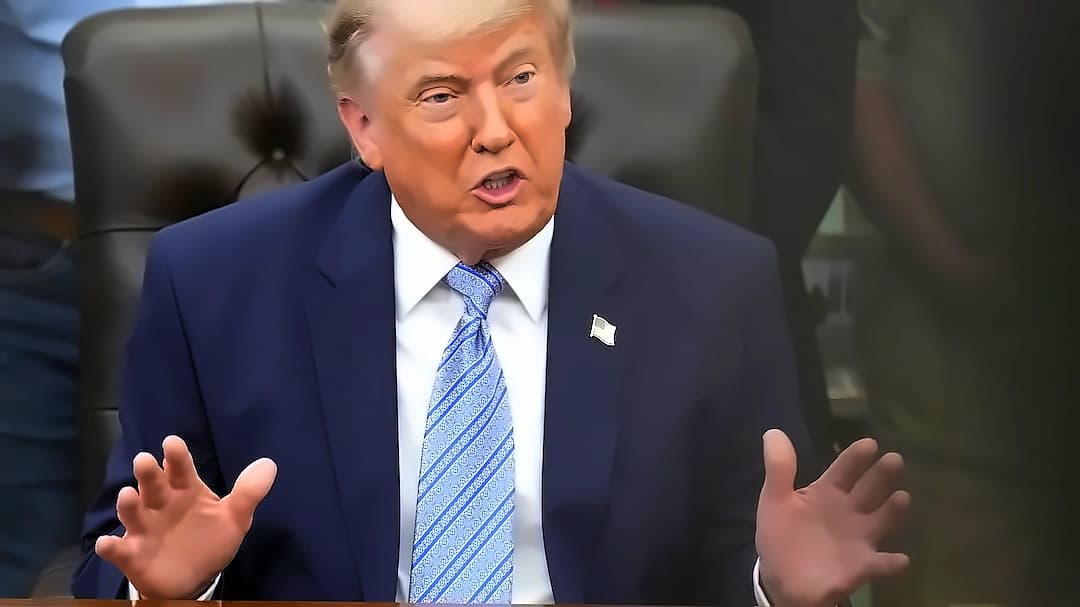
President Donald Trump called off a planned White House signing ceremony on May 21, just hours before tech and AI executives were expected to attend. According to the Associated Press, Trump told reporters he did not like parts of the executive order and worried it could slow America's lead over China. The administration's decision reflects Trump's broader commitment to maintaining America's technological edge in the global AI race, with the president noting "We're leading China, we're leading everybody, and I don't want to do anything that's going to get in the way of that lead." The delay has left AI labs, cybersecurity companies, and large enterprise buyers with uncertainty about the technology moving faster than the rules can keep up.
While Trump's executive order remains on hold, U.S. Senators of both parties will unveil a bill on Tuesday aimed at countering Chinese sales of artificial intelligence tools overseas. The legislation, sponsored by Democrat Jeanne Shaheen of New Hampshire and Republican Pete Ricketts of Nebraska, would create an office within the State Department to subsidize purchases by allied governments of American technology and streamline the procurement process. As reported by Reuters, a fund worth $500 million would be created to help finance the program, specifically targeting foreign government procurement of American AI models, chips, cybersecurity products, biotechnology, and cloud computing systems. The bill seeks to bolster the Trump administration's Pax Silica initiative, which aims to reduce dependence on China and strengthen cooperation among allies.
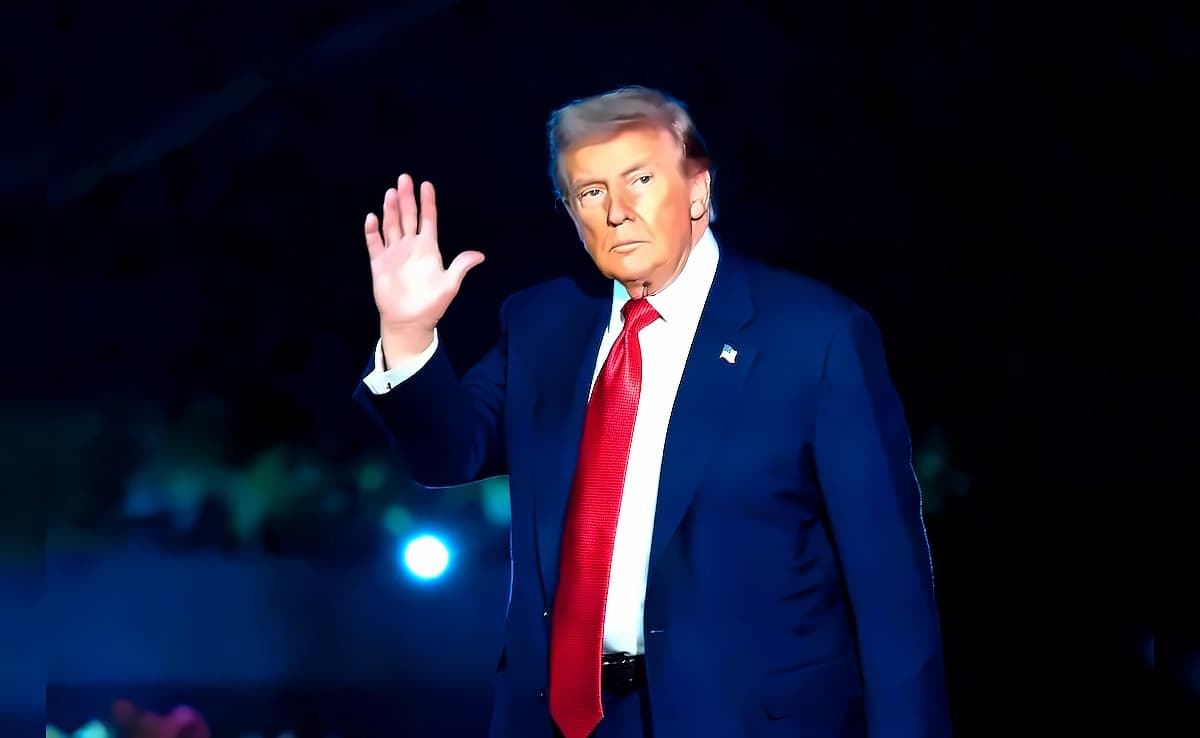
The draft order was expected to create a voluntary framework for reviewing the most advanced AI models before public release, with agencies such as CISA and NIST helping set the terms. As reported by the Associated Press, the directive was being characterized as a voluntary collaboration with participating U.S.-based tech companies, including Anthropic, OpenAI and Google. The process was designed to work as a voluntary partnership with US-based AI firms, with discussions reflecting the administration's preference for collaborative solutions rather than mandatory regulations. A former White House tech policy adviser who was a lead author of Trump's AI policy road map described the disagreements as "healthy tension" in an administration that has long been wary of regulating the "frontier AI" companies.
The urgency stems from concerns about Anthropic's Claude Mythos model, which has been released only to a limited group because of concerns about its ability to find and exploit software vulnerabilities. According to the Associated Press, Treasury Secretary Scott Bessent and outgoing Federal Reserve Chair Jerome Powell held an urgent meeting with Wall Street CEOs over these cybersecurity risks in April. Mozilla said the model helped find hundreds of Firefox security flaws, while Cloudflare's testing found that Mythos could connect smaller weaknesses into more serious exploit chains and generate proof-of-concept code. That capability is exactly what makes regulators nervous, as it represents the kind of vulnerability research that could be used maliciously.