US President Donald Trump announced the postponement of an executive order addressing cybersecurity concerns related to artificial intelligence models during a White House event on Thursday. According to reports from Reuters, Trump called off the signing because he said he was worried the measure could dull America's edge on AI technology. The president emphasized his concern about taking steps that could reduce the US advantage over China in AI development, stating he wanted to be sure that it didn't take any steps that would get in the way of that lead. "I think it gets in the way of, you know, we're leading China, we're leading everybody, and I don't want to do anything that's going to get in the way of that lead," Trump told reporters in the Oval Office. The move throws into turmoil an administration-wide push to shape policy governing artificial intelligence, with White House Chief of Staff Susie Wiles, Treasury Secretary Scott Bessent and National Cyber Director Sean Cairncross all involved in the effort.
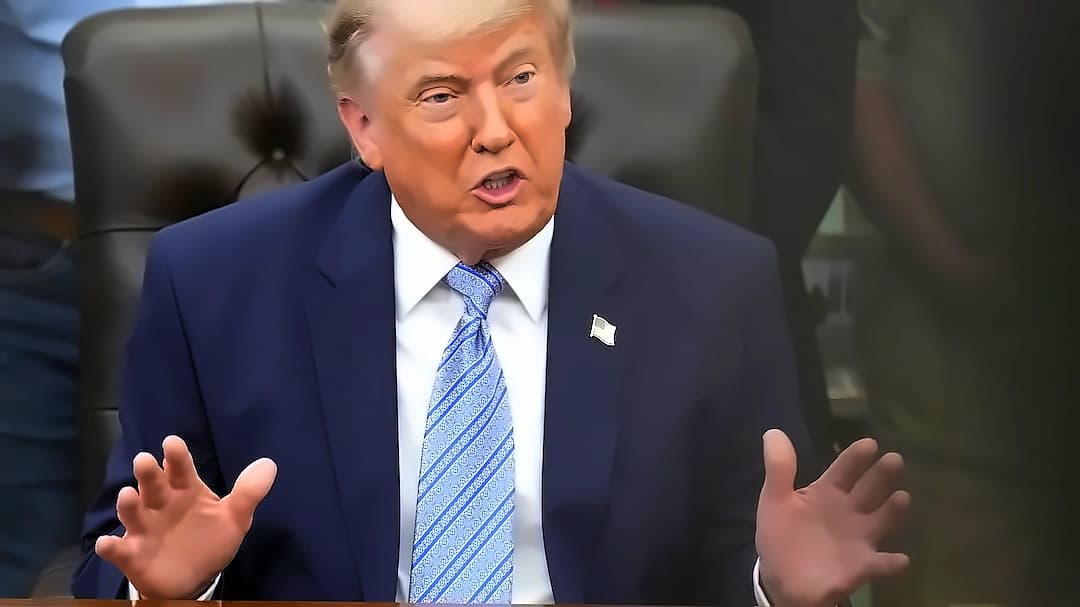
The administration's plans were reportedly put on hold following significant opposition from major tech executives. As reported by Reuters, the push came from xAI founder Elon Musk, Meta CEO Mark Zuckerberg, and former Trump AI adviser David Sacks. The order would have created a voluntary framework for AI developers to engage with the U.S. government before the public release of advanced AI models, with the directive being characterized as a voluntary collaboration with participating U.S.-based tech companies, including Anthropic, OpenAI and Google. Trump had planned to sign the order at a ceremony on Thursday afternoon attended by CEOs of AI companies, but the political pressure proved sufficient to postpone the signing. Trump did not specify which parts of the executive order he objected to, leaving the specific concerns unclear. xAI, Meta and Sacks's venture capital firm Craft Ventures did not immediately respond to Reuters' requests for comment outside regular business hours.
The postponed order would have established a framework for the government to vet the national security risks of the most advanced AI systems before their public release, according to Reuters reports citing two sources familiar with the order. The directive would have revamped existing cybersecurity information-sharing programs to include AI companies while avoiding mandatory federal approval of cutting-edge models. The US already operates a voluntary AI system evaluation program, with the Commerce Department recently announcing its expansion, and major tech companies including Alphabet Inc.'s Google, Microsoft Corp., and xAI Inc. have agreed to provide government access to their models for security assessments. The order would have called for voluntary government testing without requiring extensive new oversight, stopping short of mandatory federal approval.
The president also had planned to direct the U.S. government to use advanced AI models to improve cybersecurity defenses of government systems, according to Reuters. This would have included networks owned by sectors vital to the nation's economy, such as banks and hospitals. The move comes amid growing concerns across the U.S. government and private sector about cybersecurity risks posed by powerful new AI systems, including Anthropic's Mythos model. Treasury Secretary Scott Bessent and outgoing Federal Reserve Chair Jerome Powell convened an urgent meeting with Wall Street CEOs in April, warning them about the cybersecurity risks posed by Anthropic's AI model, Claude Mythos. Tech industry advocates fear that the order's provisions could hurt the industry's profits if they slow the rollout of new models or prompt companies to change how those models perform to address security concerns.
The postponement reflects significant internal divisions within the Trump administration over AI policy. As reported by Reuters, former White House tech policy adviser Dean Ball described the disagreements as "healthy tension" in an administration that has long been wary of regulating "frontier AI" companies. The White House has pushed back against state laws seeking to regulate AI, saying the measures could curb growth. Vice President JD Vance declined to discuss specifics from the order but emphasized the administration's pro-innovation stance, stating "The president wants us to be pro-innovation. He wants us to win the AI race against all other countries in the world." However, the administration faces competing pressures from voters concerned about AI's impact on American life, jobs and electricity bills, while Republicans themselves remain divided over whether to embrace the AI industry. The postponement also complicates government relations with Anthropic, as Trump in February ordered all U.S. agencies to stop using the company's chatbot Claude after an unusually public clash between the Pentagon and CEO Dario Amodei.