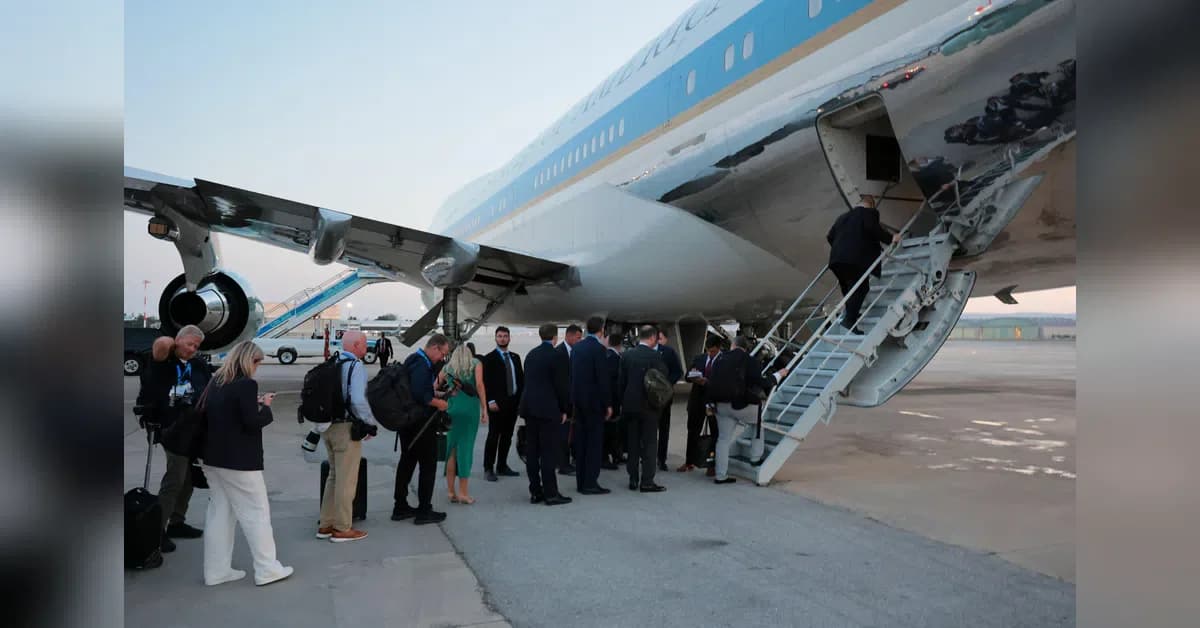
President Trump has officially confirmed that China has agreed to order 200 Boeing aircraft as part of a multibillion-dollar deal that would mark the nation's first purchase of US-made commercial jets in nearly a decade. According to the latest reports from Reuters, Trump made the announcement during an interview with Fox News Channel's Sean Hannity that was released on Thursday. The deal represents a significant escalation from initial negotiations, with Boeing initially seeking an order for 150 aircraft but ultimately securing a deal for 200 'big ones' as Trump stated. U.S. Treasury Secretary Scott Bessent had earlier indicated he expected an announcement about a large Boeing order during Trump's visit to Beijing, where he held talks with Chinese leader Xi Jinping. The announcement marked one of the first major deals to come out of the Beijing summit, as reported by multiple sources, coming as Trump and Xi held discussions on trade, Iran, regional security and the strategically vital Strait of Hormuz. As per Bloomberg, Trump described the agreement as a significant breakthrough in US-China economic relations, stating "Boeing wanted 150, they got 200."
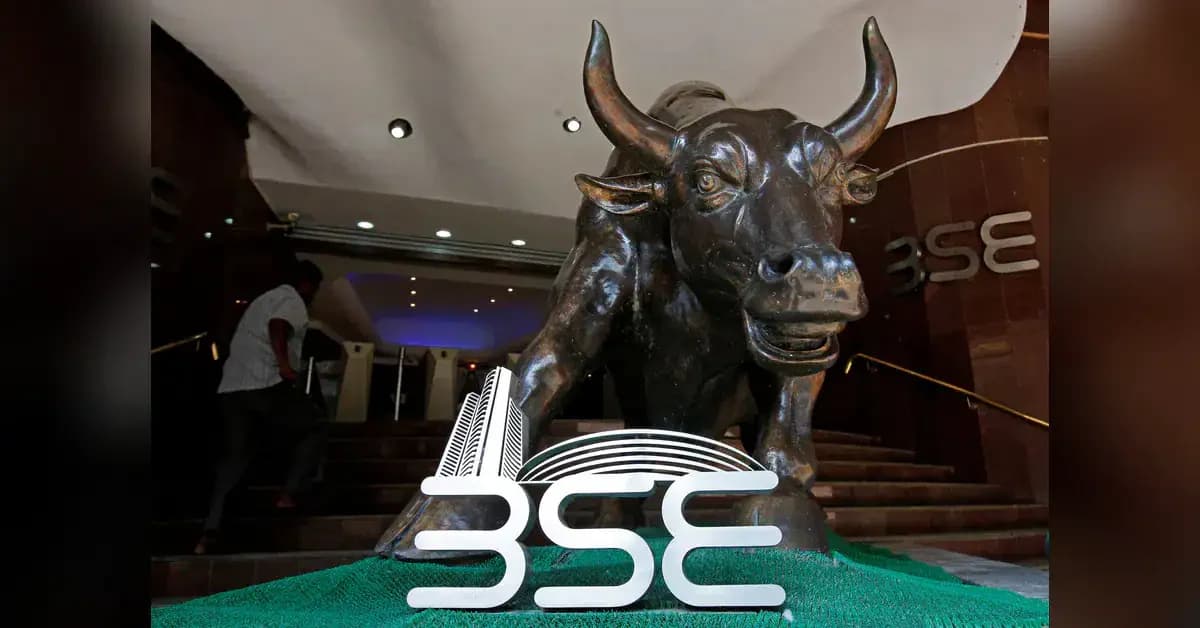
Despite the announcement of this historic deal, Boeing shares fell as much as 4.1% during market trading on Thursday, as reported by Reuters. Investors appeared cautious because the reported order was smaller than previous media reports suggesting China could buy 500 or more aircraft. The stock remains up roughly 7% for the year, indicating that while the immediate reaction was negative, investors view the long-term implications positively. The latest confirmation from Trump's official announcement has reinforced market confidence in the deal's significance for Boeing and the broader aerospace sector, despite the market's initial cautious response to the specific order size. According to Bloomberg intelligence analyst George Ferguson, the order for 200 aircraft is "disappointing for a market that expects 300 or more," though the potential deal comes at a time of strong global demand for new aircraft with production struggling to keep pace.
Boeing has historically been one of the biggest corporate beneficiaries of improving trade relations between the US and China, with Chinese airlines representing a critical international market for commercial aircraft sales. According to Reuters, the company's Chief Executive Officer Kelly Ortberg, who attended the summit, had earlier described Trump's China visit as a 'meaningful opportunity' for the aerospace manufacturer. An order of this scale could also benefit several companies across the broader aerospace supply chain, with analysts noting that Boeing aircraft purchases typically drive demand for engines manufactured by GE Aerospace as well as equipment supplied by RTX Corporation through its Collins Aerospace business. The reported agreement would still represent a significant development for Boeing, whose last major Chinese order came in 2017 amid worsening US-China trade tensions, with European rival Airbus securing the majority of aircraft deliveries to China since 2018. If confirmed, the purchase would end a prolonged freeze in Boeing orders from China, the world's second-largest aviation market, and could provide a significant boost to the American manufacturer amid restructuring efforts.
Trump also addressed other diplomatic matters during his comments, stating that Chinese President Xi Jinping offered to help facilitate efforts surrounding a possible Iran deal and pledged that China would not provide military equipment to Tehran. As reported by Times Now, Trump said Xi offered to help facilitate efforts surrounding a possible Iran deal and pledged that China would not provide military equipment to Tehran. "He said he's not gonna give military equipment. That's a big statement," Trump said. Trump added that Xi expressed support for keeping the Strait of Hormuz open, while also making clear that China would continue purchasing Iranian oil. During the talks, China reportedly pushed for de-escalation between Washington and Tehran. The leaders also discussed expanding economic cooperation, increasing market access for American businesses and boosting Chinese investment in US industries. Xi additionally warned Trump to exercise 'extreme caution' on Taiwan, calling it the 'most critical matter' in US-China relations. The agreement could signal an effort by both sides to stabilize trade ties while continuing to navigate ongoing tensions over security issues, sanctions, and global conflicts, prior to the US imposing additional sanctions targeting entities linked to Iran's military programs, including organizations based in China and Hong Kong.