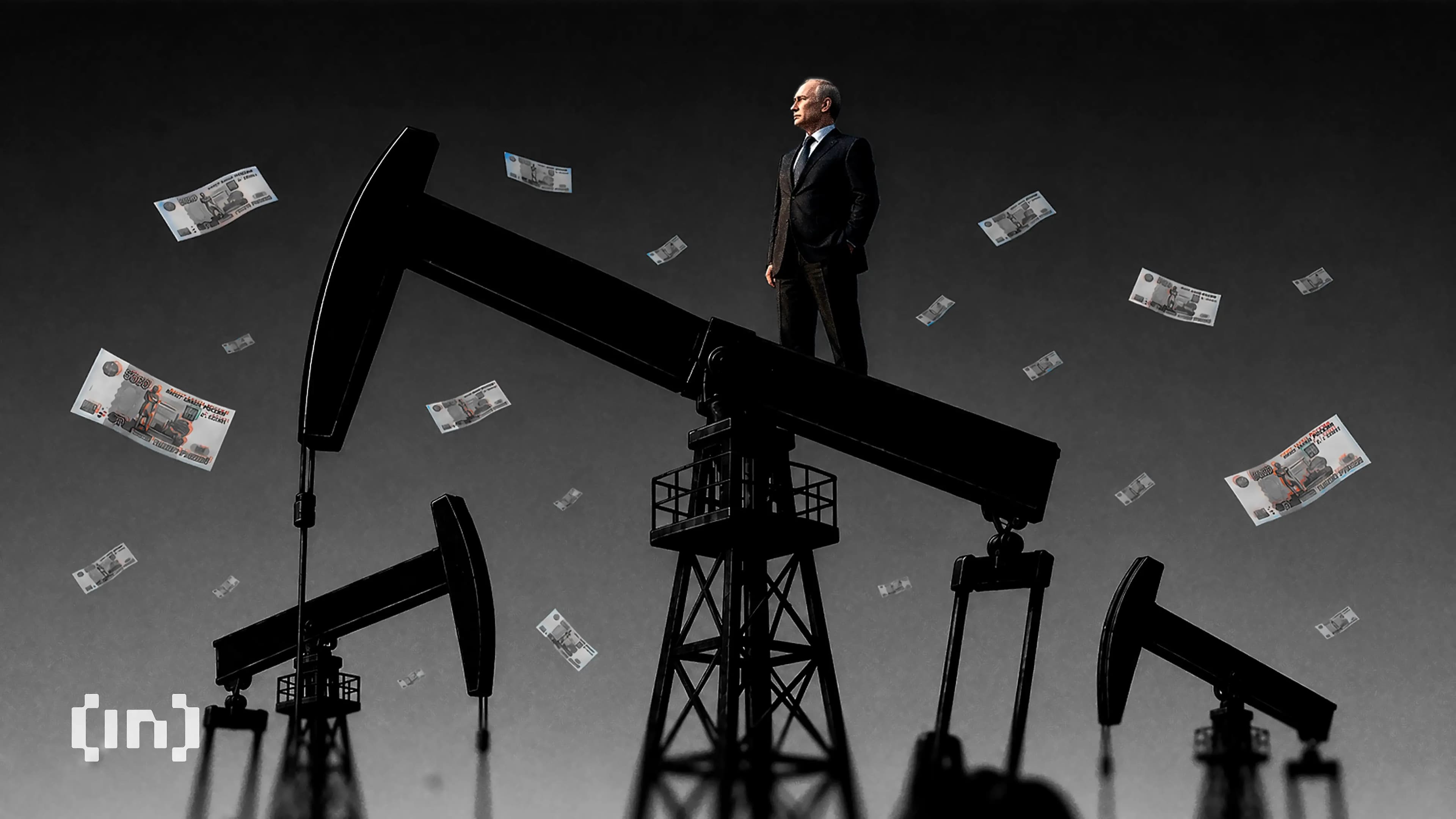
Oil prices fell on Monday as US President Donald Trump's decision to waive sanctions and tariffs on Russia raised the prospect of additional fuel supplies entering the market. According to The Economic Times, Brent crude futures fell $1.43, or 1.30%, to $108.43 a barrel by 2340 GMT after settling at its highest since May 19 on Friday. The previous week, Trump had signed an executive order granting a waiver on key sanctions and tariffs imposed under the law known as the Graham Act. Brent crude had climbed to $110 a barrel briefly on Friday, marking its first such level since May, as mounting tensions in the Middle East heightened concerns about the security of shipping routes and the availability of global energy supplies. US West Texas Intermediate crude was at $100.88 a barrel, down 53 cents, or 0.52%, reflecting the broader market response to the sanctions relief. Commodity analyst Natalia Katona notes that Russian crude continued to find buyers despite the tariff threat, with the entire November loading programme of Russian export grades sold off even though it could have been subjected to tariffs.
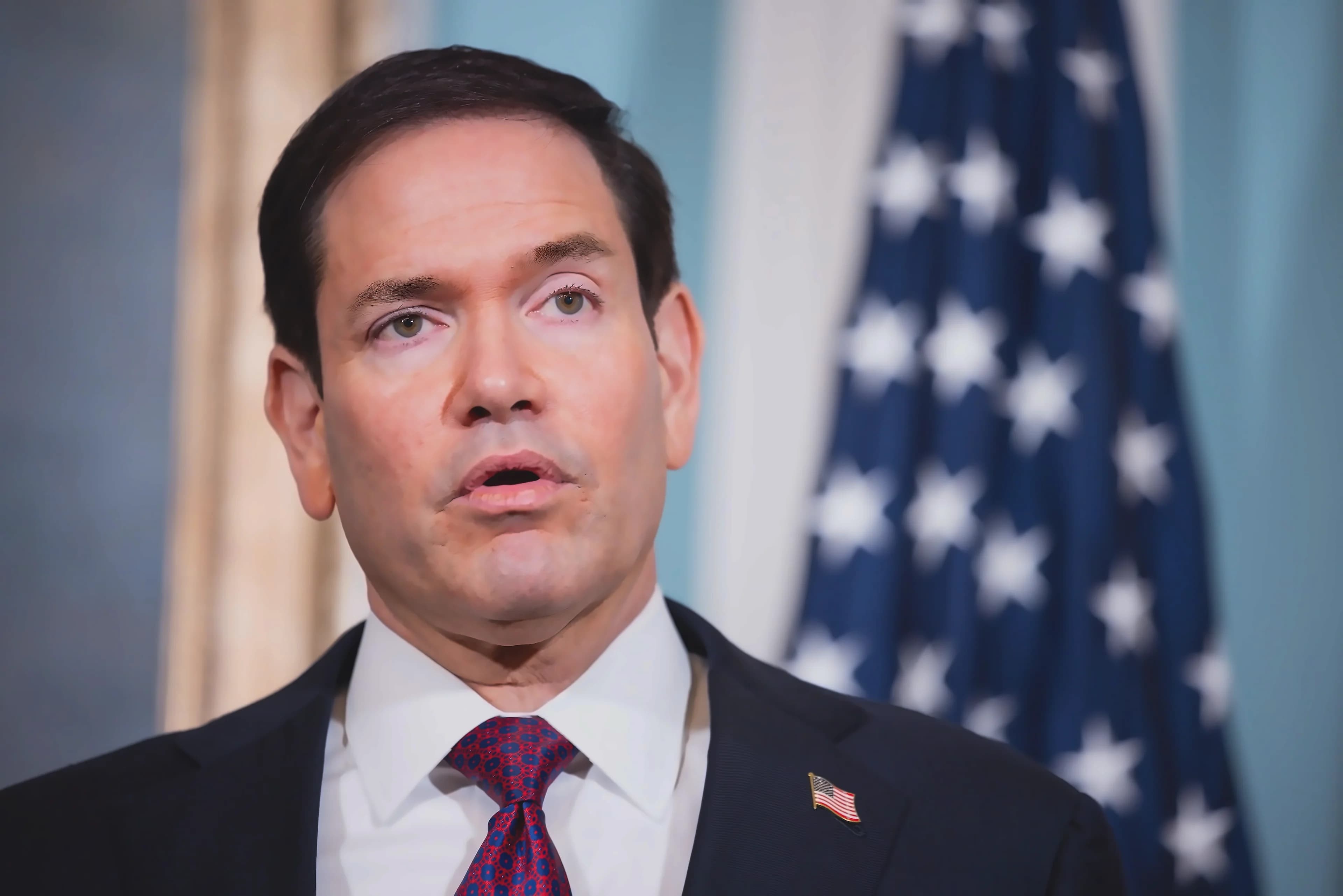
US Secretary of State Marco Rubio's six-day tour, including a visit to India this week, comes as Washington reassesses the global consequences of sanctions and tariffs targeting buyers of Russian oil. His itinerary includes Reliance Industries Limited's massive refinery in Jamnagar, Gujarat, a major processor of Russian crude. Speaking on Saturday before flying to Uzbekistan and later India, Rubio said: "I think the president wants to take the 60-day period of time to sort of analyse what imposing both sanctions and tariffs will mean to the global economy, and even to the US economy." The visit carries particular significance as Reliance is the largest purchaser of Venezuelan crude outside the US, with the Trump administration urging India to buy more oil from Venezuela. In March, Trump announced on Truth Social what he described as a $300 billion refinery deal with Reliance, saying the company would invest in a new refinery in Brownsville, Texas — the first new US refinery in 50 years. According to The Times of India, Rubio specifically cited India's difficulty in rapidly shifting away from Russian energy, saying the country voluntarily diversified its energy portfolio "but are still getting a substantial amount of energy from Russia because it's hard to pivot from one day to the next." Rubio also appeared to recognise the practical considerations behind India's continued purchases of Russian crude, with External Affairs Minister S Jaishankar explaining that Indian refineries are largely designed to process medium-sour crude, which India sources from Middle Eastern countries and Russia.
Trump has for months sought to shift blame for high energy prices away from the US war on Iran, which slowed oil shipments out of the Strait of Hormuz, causing world energy prices to spike. Instead, he has blamed Ukraine's attacks on Russian energy infrastructure. "I am in the process of negotiating Peace in the war between Russia and Ukraine, and don't want to do anything that will drive, foolishly, Russia away from the bargaining table. Great progress is being made," Trump wrote in a social-media post. "He doesn't want to end this war, and probably never did," Trump wrote of Ukrainian President Volodymyr Zelenskyy. "He could have made a better deal two years ago than he can now. His country is in shambles, a large portion of his land is lost, his oceans and seas are gone, and his male population is low, wounded, and/or dead." Zelenskyy, in an interview Sunday with Bloomberg News, accused Trump of trying to pressure Kyiv into surrendering to Russia, escalating a week-long argument between the two leaders.
The administration is weighing multiple geopolitical pressures on global energy supplies that make the proposed sanctions and tariffs complex to implement. According to The Economic Times, potentially raising the stakes in the Middle East war, Egypt said it is ready to provide Saudi Arabia with the support it needs to defend its security and stability against Yemen's Iran-allied Houthis. Intensified attacks on commercial vessels cut Gulf crude flows sharply to about 8.5 million barrels per day on a seven-day average last week from more than 20 million bpd the week before, as reported by analytics firm Kpler. At least 10 confirmed incidents involving commercial vessels were reported last week, with diesel prices rising 66-68% over the year, driving up prices all round. The 60-day window is intended to give the administration time to examine these factors before determining the appropriate combination of measures.
The Jamnagar refinery has come under scrutiny over exports of refined products made from Russian crude. According to The Centre for Research on Energy and Clean Air (CREA), despite a European Union (EU) ban on imports of oil products made from Russian crude that took effect on January 21, 2026, seven shipments from refineries deemed high-risk under EU guidance were unloaded at European ports in September. Six originated at Jamnagar and one at Turkey's Tupras Izmit refinery. The report estimated that refineries in India, Türkiye and Brunei processing Russian crude exported €1 billion ($1.12 billion)-worth of oil products to countries imposing sanctions in September, a 43 per cent month-on-month rise in shipments reported as destined for their ports. US-bound exports included €122 million ($137 billion) from Jamnagar and €33 million ($37 million) from Türkiye STAR refinery. Between July and September, 32 per cent of Jamnagar's crude imports came from Russia, according to the report. Russia's share of India's oil imports fell from 51% in July to 44% in August as the country increased purchases from the US and the UAE, despite higher prices, as reported by Upstox News Desk.
Gem and jewellery exporters are breathing a sigh of relief as the US has put off punitive tariffs on India and China. According to The Hindu BusinessLine, on September 18, the US Congress enacted the Lindsey O Graham Sanctioning Russia and Iran Act of 2026 (SRIA), which authorised tariffs of up to 100 per cent on goods from the top five buyers of Russian crude oil or natural gas. However, late last week, US President Donald Trump exercised his waiver authority, putting the proposed 100 per cent punitive duties on hold in the national interest of the US. With soaring diesel prices affecting US farmers and midterm elections around the corner, Trump announced an agreement with Russian President Vladimir Putin to supply Russian diesel to the US and global markets, starting with an initial shipment of more than 300,000 tonnes (about 2.25 million barrels). Russia will also increase its supplies to global markets to drive down energy prices, which have surged due to the US-Israel war on Iran. Colin Shah, Managing Director of leading exporter Kama Jewelry, said the latest waiver provides much-needed clarity for exporters during this crucial shipping season. India's gem and jewellery exports rose 13 per cent to $14.30 billion (₹1.36 lakh crore) in the first half of this fiscal year, despite global uncertainties, supported by strong gains in studded gold jewellery, silver jewellery and polished lab-grown diamonds.