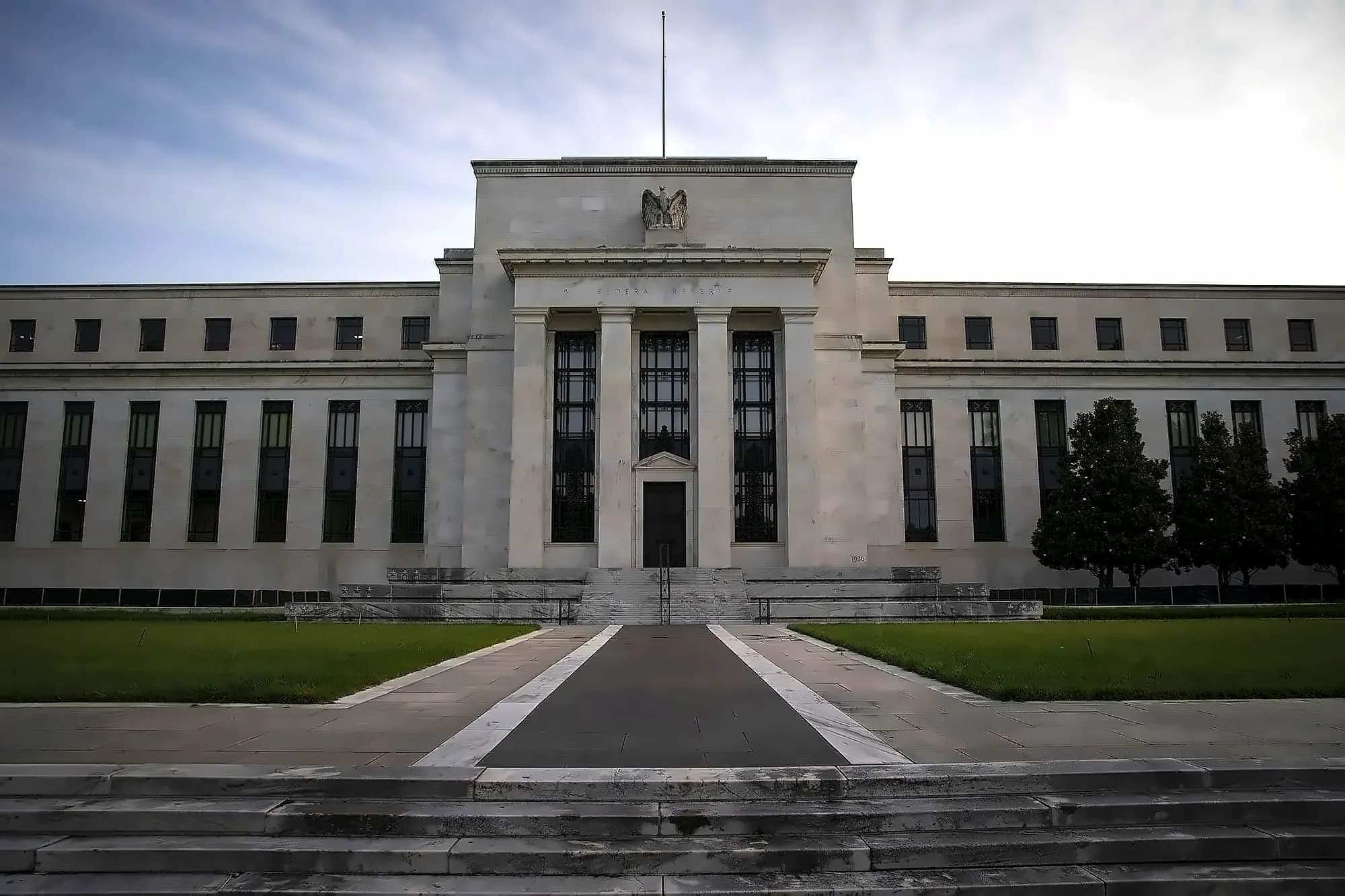
US President Donald Trump is moving forward with his attempt to fire Federal Reserve Governor Lisa Cook after the US Supreme Court in June refused to let the President dismiss her. According to reports from ABC News, the White House told Cook in a letter this week that the President was 'considering' removing her from her role and demanded that she respond to unproven mortgage-fraud allegations within three weeks. This represents a renewed effort following the Supreme Court's previous rejection of Trump's removal attempt, with the move coming just three weeks before a critical Fed meeting where every vote counts in the increasingly split committee.
Trump's renewed effort to remove Cook over unproven mortgage fraud allegations suggests the administration is anxious that the Fed could raise interest rates as soon as next month. As reported by The Hindu BusinessLine, futures markets see about a 75 per cent chance of a quarter-point rate increase by the midterms, with the main drivers being nearly six years of above-target inflation and elevated core price rises. The outcome at the September 15-16 meeting is basically seen as a coin toss, with three members of this year's Federal Open Market Committee voting to raise rates last month, while governors Chris Waller and Cook voted to hold rates steady. If both were to vote for a hike next month, the previous 9-3 split in favor of holding rates would become 7-5, potentially leaving former Fed Chair Jerome Powell with the potential to divide the FOMC right down the middle.
Cook's lawyer, Abbe D Lowell, called the allegations 'baseless' and stated 'there is no valid cause' for removing Cook from her position. As reported by ABC News, Lowell indicated they would challenge this latest pretext and preserve Cook's position and the historic role of the Fed. The Federal Reserve did not immediately respond to a request for comment regarding the latest developments. After a year of beating this drum, and even after the Supreme Court pushback, Trump's deadline for Cook to clear her name is just about three weeks before a critical Fed meeting where every vote counts.
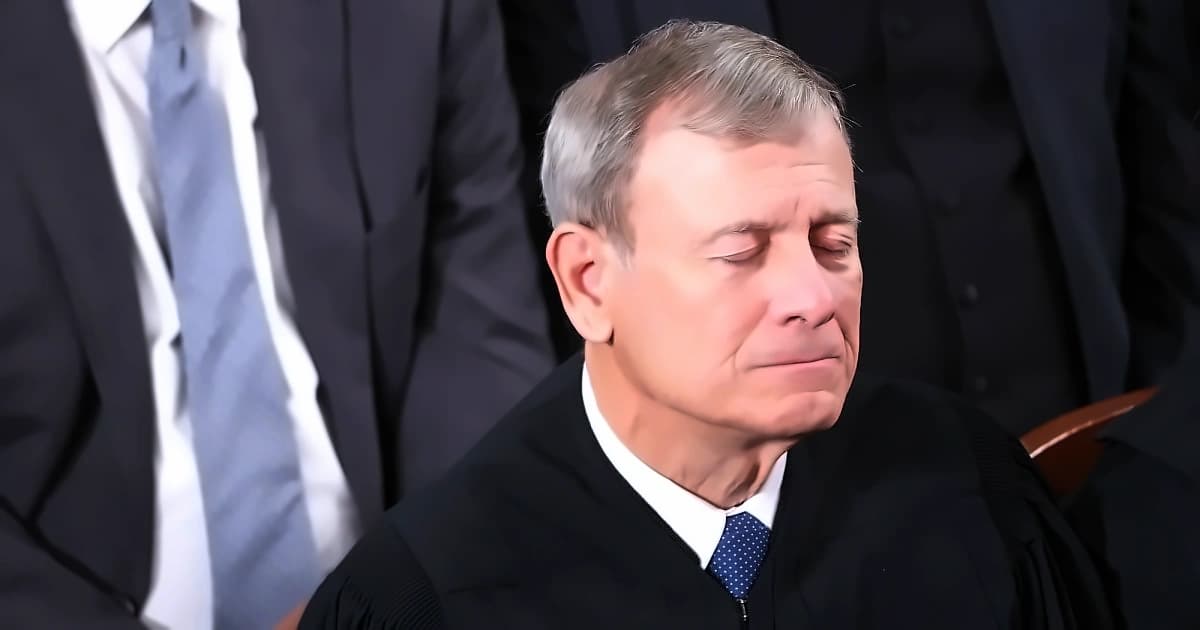
The US Supreme Court refused in June to allow Trump to remove Cook, standing firm to preserve the central bank's cherished independence against the Republican President's unprecedented challenge. According to ABC News, the court issued a 5-4 ruling that blocked Trump from removing Cook for now, providing a safeguard specifically for the Fed. However, as noted by SGH Macro Advisors chief US economist Tim Duy, 'The issue of Fed independence has not yet been resolved', suggesting that Fed Chair Kevin Warsh is either unwilling or unable to back Trump's long-standing push to slash rates in the face of elevated inflation. The ruling came after Trump last year cited mortgage fraud in trying to fire Cook, who became the first Black woman to serve as a Fed governor.

The renewed battle for Fed independence has significant implications for bond markets and monetary policy credibility. As Barclays strategists noted, 'If July marked the beginning of a deterioration in confidence about the Fed's willingness to defend the inflation target, the long end is dramatically under-pricing the risk'. The most straightforward approach for markets is to consider the impact of fuzzier inflation goals from Warsh with renewed political pressure to load the board with rate-cut advocates - a combination that could aggravate long-term inflation risk premiums in bond markets. Without Fed Chair Kevin Warsh stamping his independence on the next meeting by voting with the hawks, doubts about the Fed under his leadership will smolder at a dangerous time for the bond market.