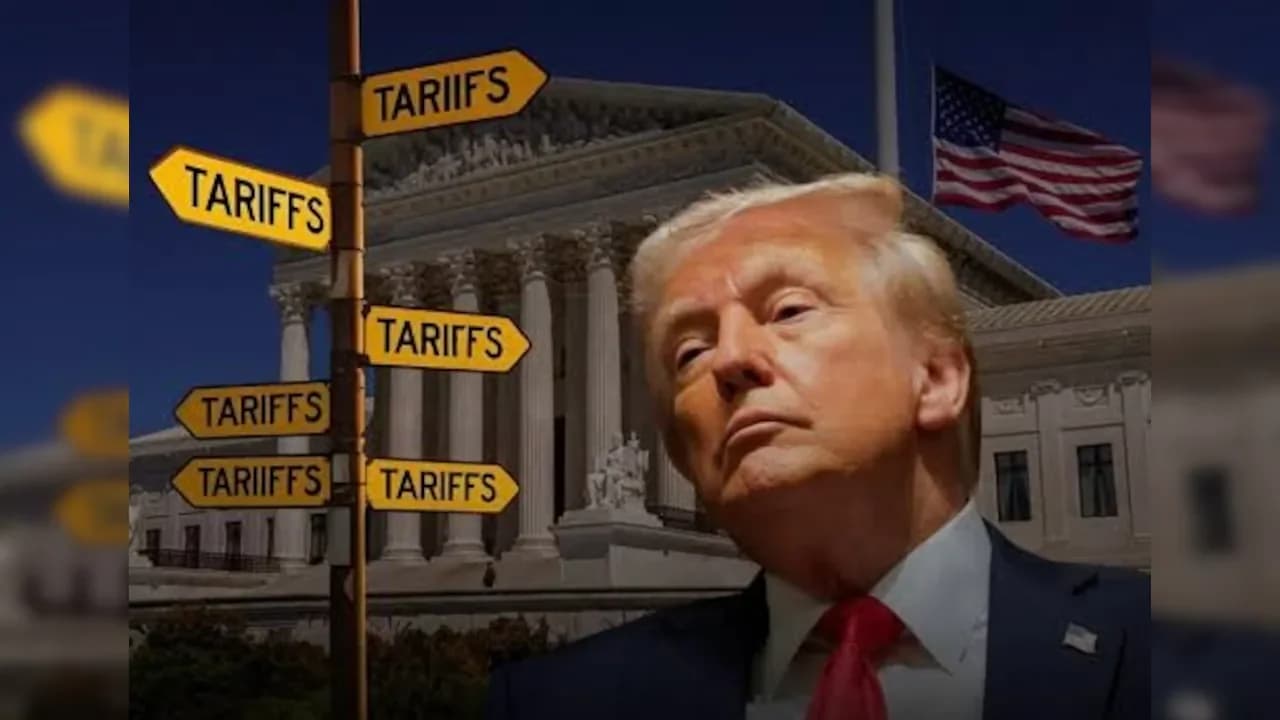
The Supreme Court delivered a significant victory for Federal Reserve independence by ruling 5-4 in favor of Fed Governor Lisa Cook in Trump v. Cook case. According to reports from Mother Jones, Chief Justice John Roberts wrote for the majority that accepting the government's position would transform Fed employment from for-cause protection to at-will employment, which would be out of step with Congress's statute and the nation's central banking tradition. The ruling prevents the President from removing Fed officials over unproven allegations, maintaining the Fed's independence from political interference. As Roberts emphasized, "We see no reason to leave the public in limbo, or to sow doubt as to the status of one of our Nation's (and the world's) most important financial institutions." The court established that any attempt to dismiss a Fed governor would have to meet a high legal threshold, requiring proof of serious misconduct directly connected to official duties, while legal proceedings continue.
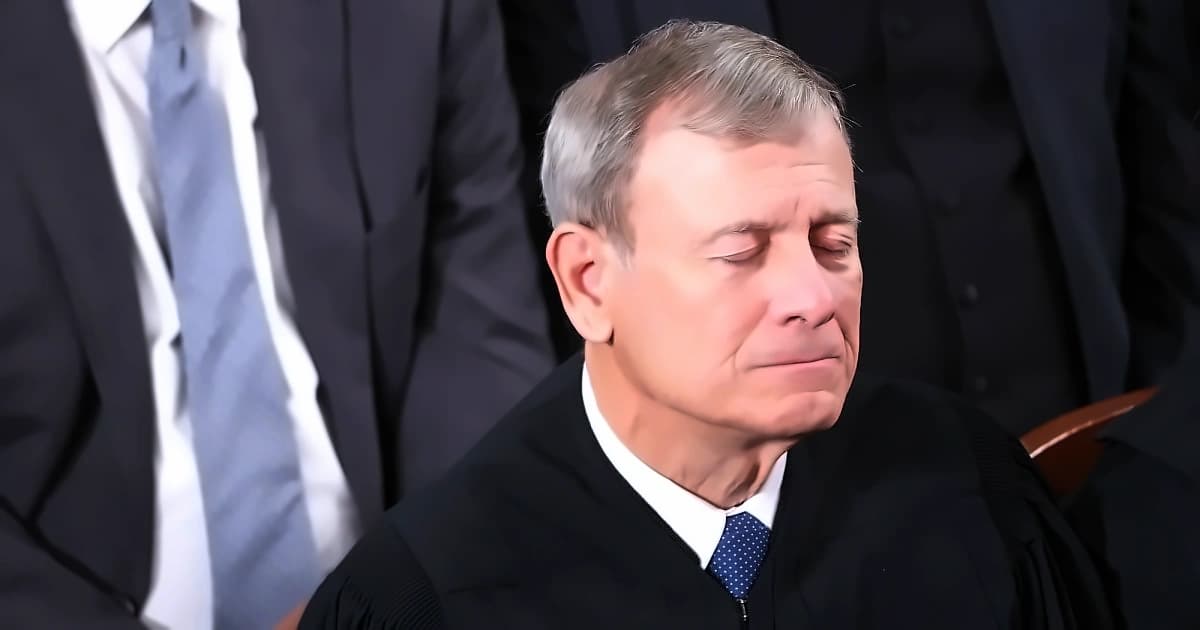
While the Supreme Court reaffirmed Fed independence, legal experts note that the central bank may now stand as the only major federal agency retaining significant insulation from direct presidential control. According to Reuters, the court's twin rulings this week have left the Federal Reserve increasingly isolated, as it carves out a notable exception for the Federal Reserve while upholding Trump's dismissal of Federal Trade Commission Commissioner Rebecca Slaughter. This decision significantly expands presidential authority over executive agencies, with the Federal Reserve's independence traditionally resting on the principle that monetary policy should remain insulated from short-term political considerations. The ruling comes shortly after Kevin Warsh, a Trump appointee, assumed office as Federal Reserve chair, providing greater institutional stability for the Fed's leadership.
Current inflation data presents a mixed picture for Federal Reserve policy decisions. As reported by Investing.com India, PCE inflation was 4.1% in May, more than twice the Fed's target, but progress in reopening the Strait of Hormuz has already led to declining energy prices. The analysis suggests that underlying or trend inflation is more likely between 2.5% and 3%, which represents good news relative to the current 4.1% pace but still overshoots the Fed's 2% target. The pass-through of tariffs to goods prices appears to be mostly complete, with core goods inflation beginning to cool, which could subtract more than 1/2 percentage point from overall inflation.
The Supreme Court ruling underscores the importance of Fed transparency and accountability in maintaining its independence. According to Investing.com India, Fed officials must communicate their policy decisions and reasoning clearly to both financial markets and the general public. The analysis emphasizes that transparency in service of accountability should be the guiding principle, with Fed officials demonstrating their commitment to pursuing economic goals diligently and showing their work to maintain public trust. This approach is particularly critical given that monetary policy decisions will have significant political consequences despite being made by technocrats rather than politicians.
The legal battle involving Governor Cook remains unresolved, with the Supreme Court's decision allowing her to remain in office while lower courts examine the merits of allegations against her. President Trump has indicated he intends to continue pursuing the case, ensuring that the dispute over the limits of presidential authority over the Federal Reserve is likely to continue. Legal scholars argue that the court's approach may have weakened the broader legal foundation supporting the Fed's independence by exempting the central bank while removing similar protections for other agencies. Some former policymakers believe the distinction may prove difficult to sustain over time, as treating the Fed differently from other agencies could prompt future legal and political challenges over why the central bank should remain exempt from the broader expansion of presidential authority.