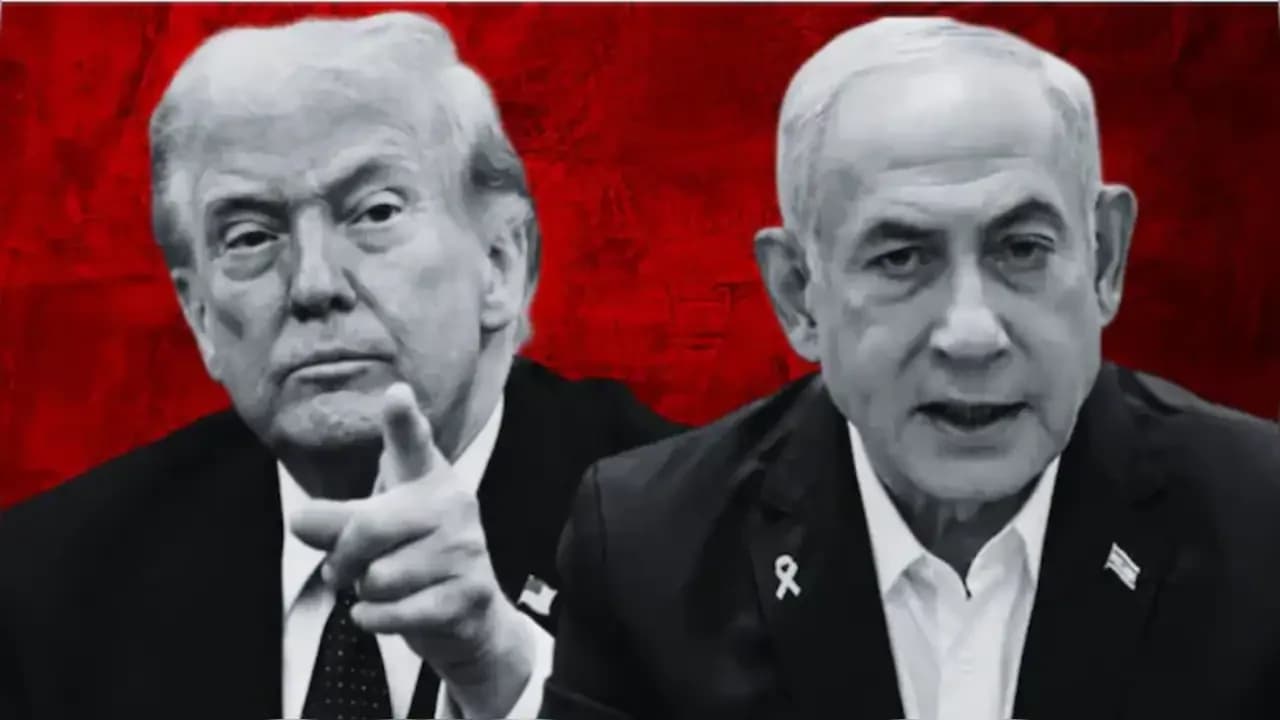
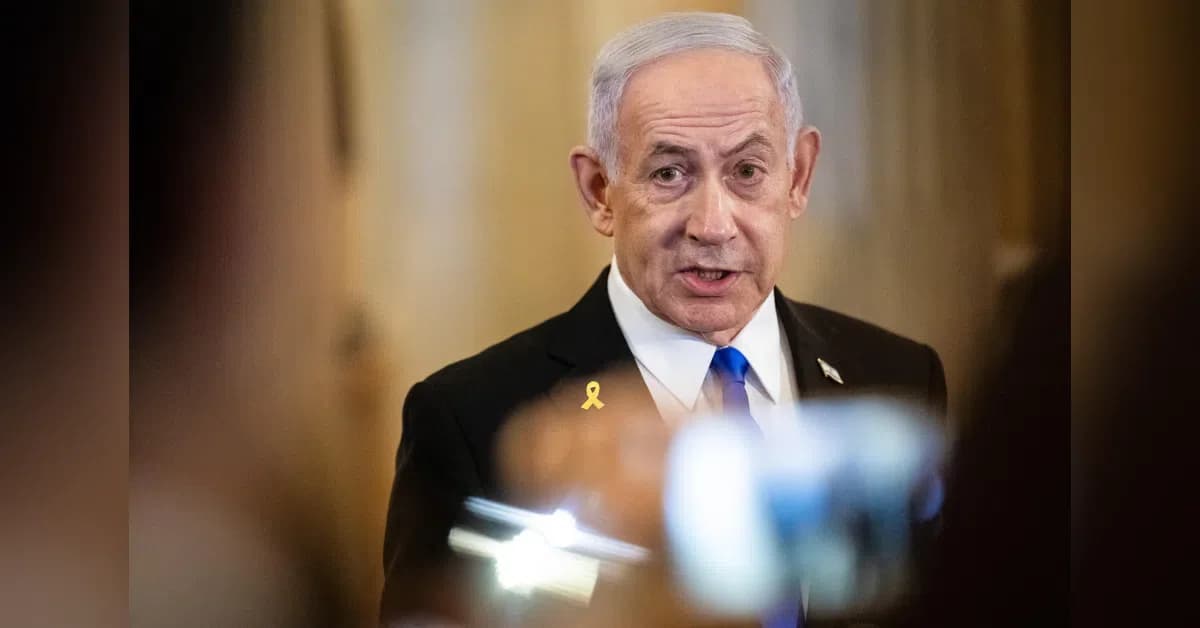
US President Donald Trump on Sunday termed the attack on Beirut unnecessary, stating it should not have occurred at a time when negotiations aimed at securing a broader peace agreement with Iran are nearing completion. In a post on Trump Social, Trump said the strike was particularly unfortunate because it came on a day when diplomatic efforts were 'so close' to delivering a peace deal that could help stabilize the wider Middle East. The president emphasized that while Israel has the right to defend itself against security threats, the incident that prompted the response was 'very small and meaningless' and should not be allowed to derail ongoing diplomatic efforts. Defense Secretary Pete Hegseth confirmed that the US is already taking action to secure safe passage through the strait of Hormuz, stating the administration is 'doing things' to ensure safe passage happens as quickly as possible. As per AFP, a delegation from mediator Qatar was in Tehran on Sunday to help facilitate the finalization of the agreement, with Iran's negotiating team conveying its detailed position to the Qatari team.
Iran's response to the attack has been particularly strong, with Iranian Brigadier General Mohammad Jafar Asadi stating Sunday that the latest Israeli attack 'will not go unanswered.' According to AFP, Iranian parliament speaker Mohammad Bagher Ghalibaf criticized the attack, stating it showed the US lacks the will or ability to fulfill its commitments, warning that continuing on the current path would be impossible if commitments could not be fulfilled. Iran's president Masoud Pezeshkian said Sunday that the country's highest security body, the Supreme National Security Council, concluded that the path of dialogue should be pursued, with the council in charge of 'decisions regarding war and negotiations.' However, as reported by AFP, a source close to Iran's negotiating team indicated that even if all of Iran's views are incorporated, no agreement will be signed within the timeframe announced by Trump. The warring parties have released conflicting information about the contents of the deal, with Iran insisting it will maintain control over the vital Strait of Hormuz while the US has repeatedly said this would be unacceptable.
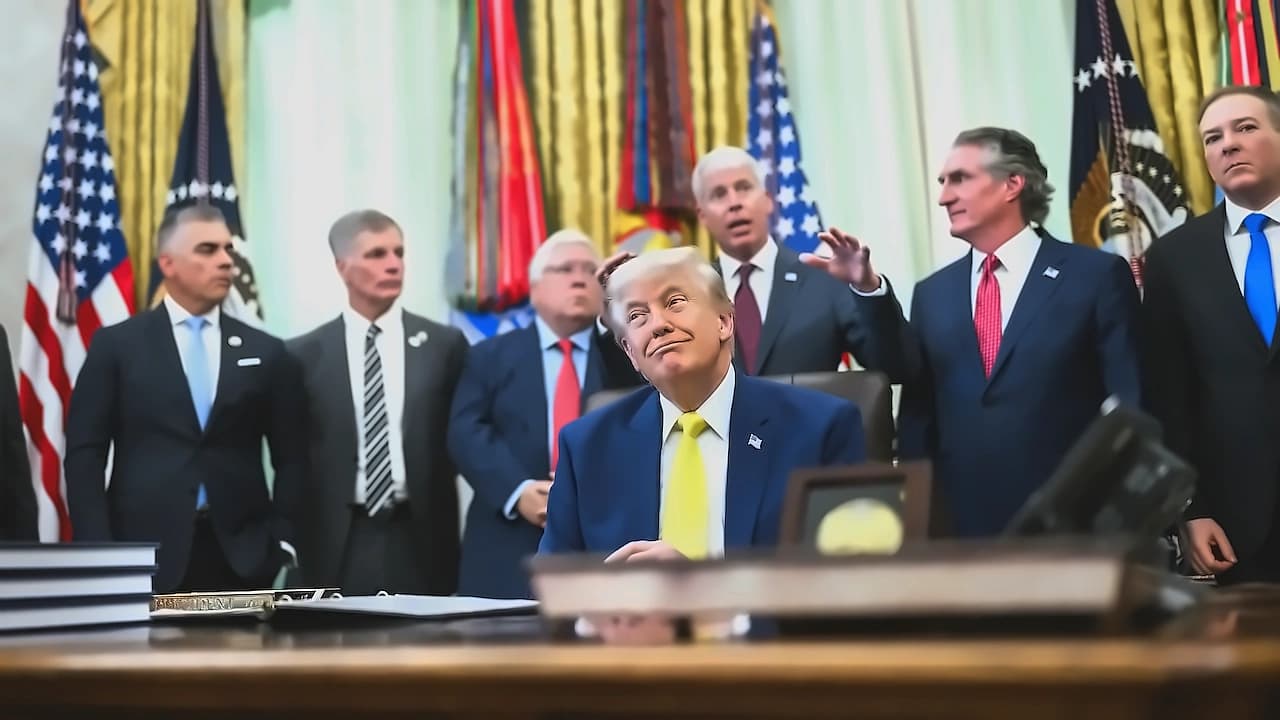
According to Trump's remarks, the current negotiations could mark a turning point, describing the moment as a potential beginning of a 'long and beautiful peace.' As reported by NDTV Profit, Trump expressed optimism that the current diplomatic efforts could help stabilize the wider Middle East region. The president concluded by saying, 'Let's not blow it,' emphasizing the importance of maintaining diplomatic momentum amid heightened regional tensions and intense diplomatic activity involving multiple stakeholders seeking to prevent a wider conflict. US Ambassador to the UN Mike Waltz told ABC News that Trump and Vice President JD Vance have every 'intent' for the agreement to be signed today, though he cautioned against getting ahead of the president's announcement. Despite the setback, Defense Secretary Pete Hegseth said he did not expect the Israeli attack to 'disrupt' the progress towards a deal, stating it is 'not a matter of if. It is a matter of when.'
Iran's foreign minister Abbas Araghchi highlighted the country's emerging strength, stating that many observers now argue Iran has emerged more powerful from the war due to its ability to impact global economy through control of the strategic strait of Hormuz. According to Reuters, Araghchi wrote that the recent war showed regional security cannot be based on eliminating or ignoring Iran, with countries gradually realizing that sustainable security and regional stability are only possible through cooperation with Iran. The proposed deal would end conflict on all fronts, including Lebanon, and ensure the release of $24 billion of Iran's frozen assets, while offering suspension of sanctions on Iranian oil and petrochemical products and allowing Iran to levy service charges on passage through the strait of Hormuz. However, Israel's military chief Eyal Zamir said the military is 'closely monitoring developments' across the region, with Lebanon remaining their main center of gravity.