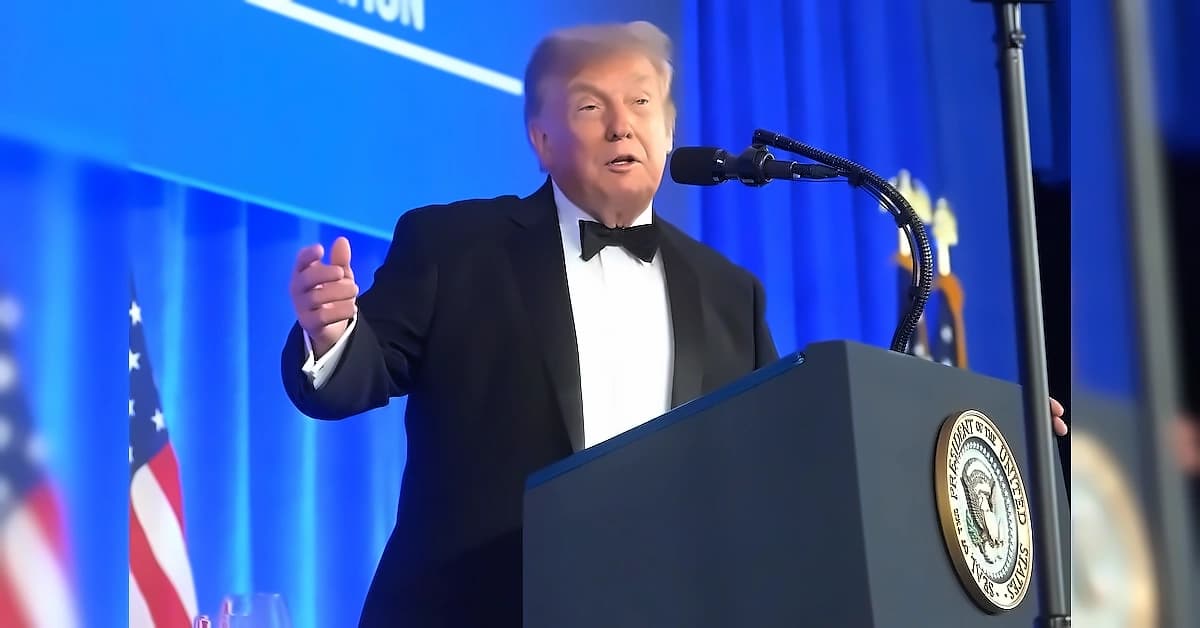
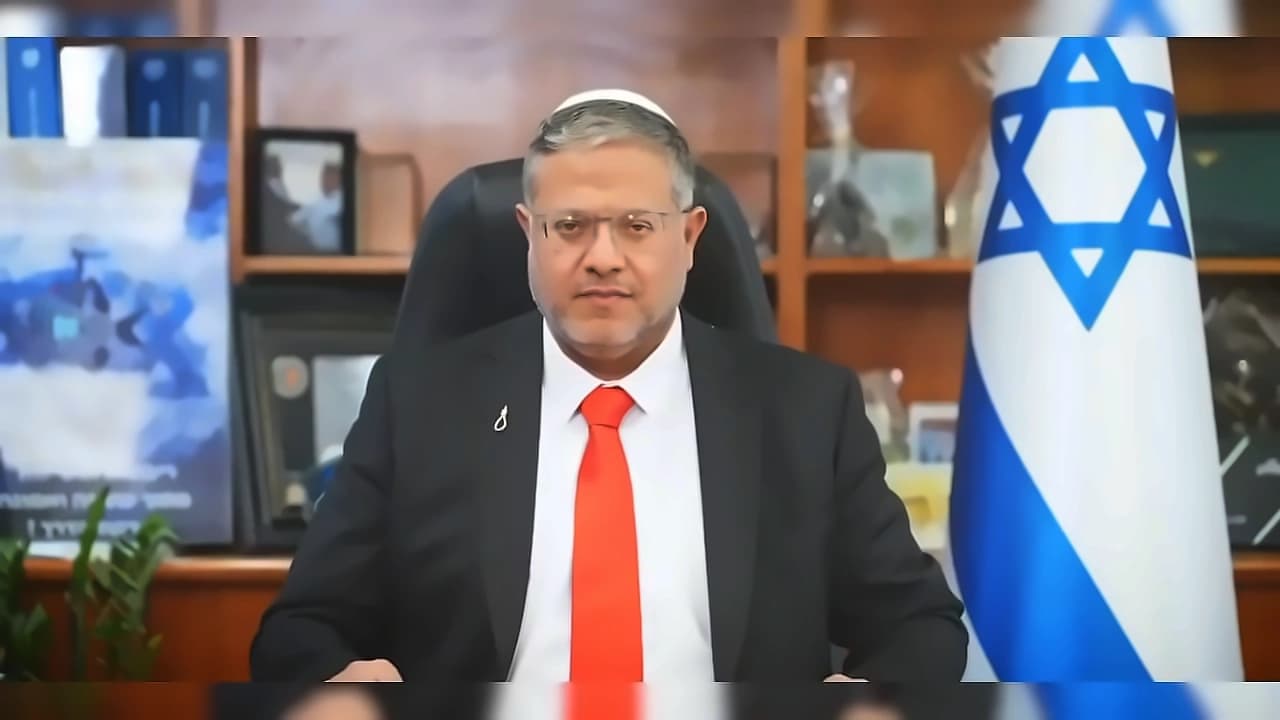
The United States and Iran have reached a comprehensive agreement to end their three-month war, with U.S. President Donald Trump confirming the deal and authorizing the immediate removal of the U.S. naval blockade of Iranian ports in the Strait of Hormuz. As reported by AP, Trump wrote on social media: 'Congratulations to all! I hereby fully authorize the toll free opening of the Strait of Hormuz, and, simultaneously herewith, authorize the immediate removal of the United States Naval blockade.' The deal, which will be signed Friday in Switzerland, comes after over 14 hours of talks in Tehran with representatives from Qatar and Pakistan serving as mediators. Israeli National Security Minister Itamar Ben Gvir has flatly rejected the US-Iran peace deal, declaring that the agreement holds no authority over Israel. According to reports from X, Ben Gvir wrote on Monday that 'Trump's agreement does not bind us. Israel is not subject to the United States, and we are an independent and sovereign nation'. The Israeli opposition extends beyond official government statements, with widespread criticism emerging across Israeli media and social platforms, calling the agreement 'a catastrophe,' 'a bad deal,' and 'an agreement that throws a lifeline to the murderous regime in Tehran.'
Israeli Finance Minister Bezalel Smotrich has joined the chorus of opposition to the US-Iran peace agreement, declaring that the deal would be 'bad for Israel and for the entire free world'. In a post on X, Smotrich wrote that 'The agreement with Iran is bad for Israel and for the entire free world. Period' and argued that Israel must continue efforts to prevent Iran from acquiring nuclear weapons. He noted that the campaign against Iran had achieved 'significant gains in weakening the country' but stressed that Israel would need to continue pursuing the objective of toppling the Iranian regime in creative ways. Smotrich also implied that Israel will have to continue carrying out the war against Iran itself in order to ensure that Iran does not achieve nuclear weapons, while alluding to heavy pressures upon the Israeli government and on Netanyahu to comply with the ceasefire's restrictions. Former Prime Minister Naftali Bennett of the Together party called the U.S.-Iran deal a 'dangerous turn for Israel's security,' adding that 'only a new leadership can fix it.' Bennett wrote on X that 'In the war with Iran, we saw the tremendous performance of the IDF and security forces on the front lines and the heroism of the people on the home front. This morning we discovered that the government is once again unable to turn all of this into longstanding security achievements.'
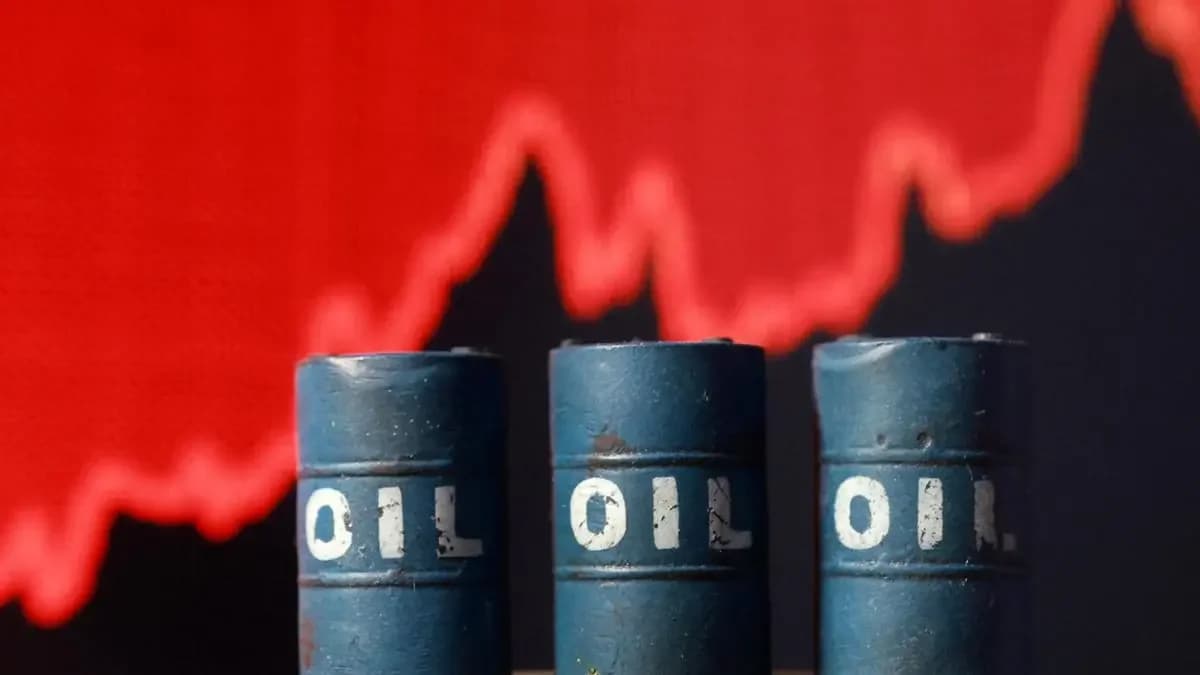
The deal addresses Iran's nuclear program, which remains a significant concern for international security. According to the International Atomic Energy Agency, Iran possesses 440.9 kilograms (972 pounds) of uranium that is enriched up to 60% purity, representing a short technical step from weapons-grade levels of 90%. Iran has long maintained its nuclear program is peaceful and has not publicly committed to giving up the enriched uranium, which is believed to be buried under three nuclear sites that were badly damaged by U.S. strikes last year. Broader negotiations on outstanding issues like Iran's nuclear program would continue over the next 60 days, with two senior Pakistani officials confirming that if sides fail to reach a resolution within that time, the timeline could be extended. The deal likely returns the region to a status that existed before the war, but with thousands of people dead and Iran wielding a new source of negotiating pressure with its ability to influence shipping in the strait. The waterway is crucial to significant shipments of oil, natural gas and related products like fertilizer, and its effective closure rocked the global economy.
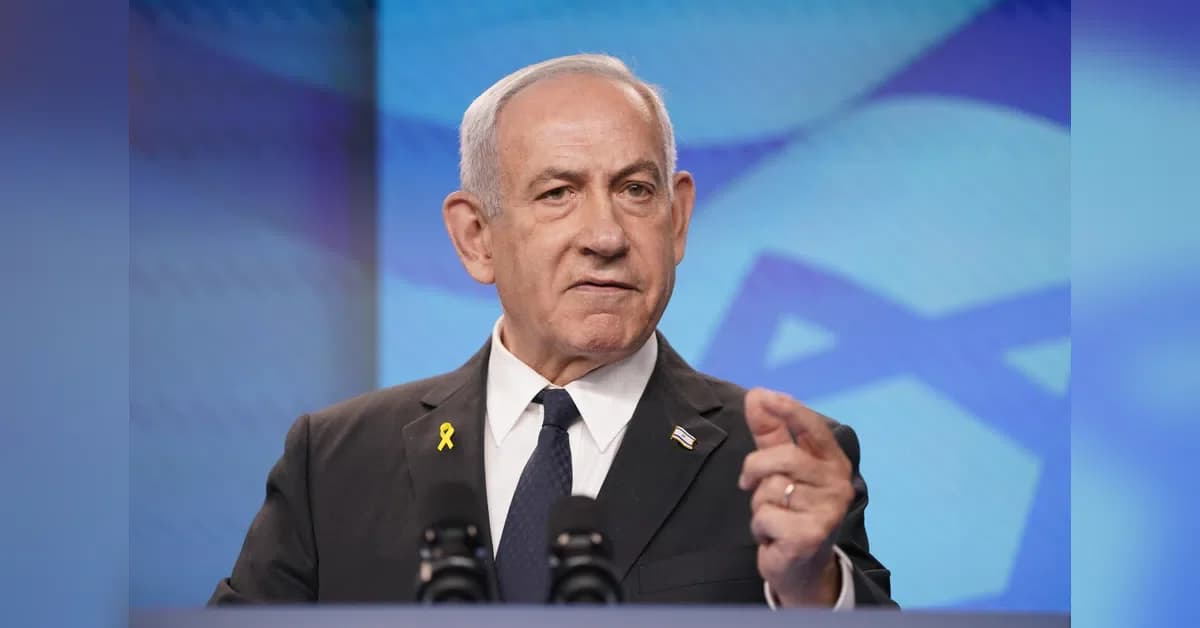
Despite the war's end, Israeli military operations against Iranian-backed targets continue. According to Reuters, Israeli Prime Minister Benjamin Netanyahu reportedly told US President Donald Trump that Israel will not withdraw its forces from Lebanon and does not accept the Lebanon-related provisions in the emerging US-Iran peace agreement. As reported by Israeli media, Netanyahu stated that 'Israel does not consider itself bound by the agreement's Lebanon-related terms' and insisted that the Israel Defence Forces (IDF) will remain in their current positions in southern Lebanon. He added that Israeli operations against Hezbollah will continue, including targeting militant infrastructure and responding to any threats along Israel's northern border. Defense Minister Israel Katz released a statement on Monday, saying that he and Netanyahu were outlining a 'policy dictating that the IDF will remain in the security zones in Lebanon, Syria, and Gaza - indefinitely - in order to protect the border and Israeli communities,' calling the seizure of territory and establishment of security zones 'among the greatest achievements of the IDF.' According to Reuters, a Hezbollah official confirmed that the group has not carried out any operations since the Iran-U.S. deal was announced, with the official stating that 'Hezbollah rejects Israeli freedom of movement in Lebanon' and that Iran delayed signing the deal to monitor Israel's adherence to the ceasefire.
Smotrich also defended the Israeli government's handling of mounting international pressure, stating that 'None of the candidates who see themselves as fit for the premiership would withstand even ten percent of the pressure currently being applied to the Israeli government'. This defense comes as Israeli ministers continue to express strong opposition to the US-Iran agreement, with multiple officials maintaining that Israel's security interests must take precedence over diplomatic arrangements. The widespread criticism across Israeli political spectrum suggests that the diplomatic agreement has created significant domestic political challenges for the Israeli government, with some officials like Benny Gantz of Blue and White party warning that 'The emerging agreement with Iran appears to be a strategic failure that will require Israel to engage in diplomatic, military, and legal struggles in the coming years, which only a broad Zionist government can lead.'