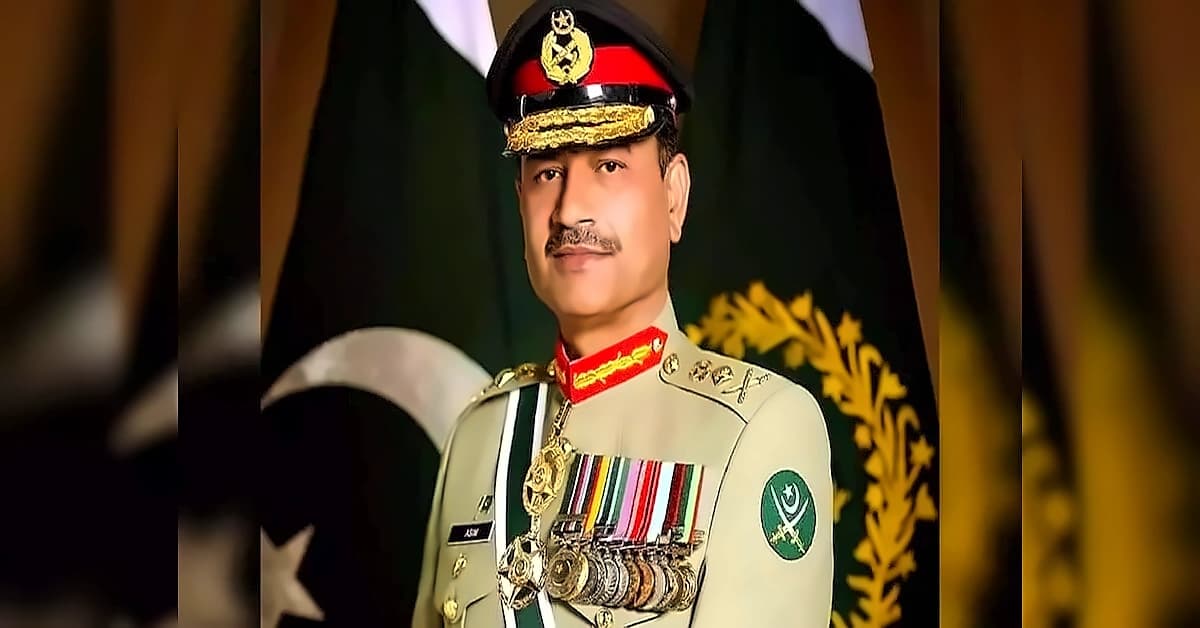
US Vice President JD Vance announced on Sunday that President Donald Trump has asked to turn over 'a new leaf' to transform the US relationship with Iran, as technical talks between the two nations began in Switzerland. According to Vance, the technical talks would allow both sides to sit together and work to resolve issues, marking a potential shift in the diplomatic approach. This development comes as Pakistan Prime Minister Shehbaz Sharif and Army Chief Asim Munir departed for Switzerland on Sunday to participate in the negotiations, joining Vance and other high-level delegations for the resumed discussions.
Iran's top officials have arrived in Switzerland to participate in the technical talks, led by parliamentary Speaker Mohammad Bagher Ghalibaf and including Foreign Minister Abbas Araghchi and central bank and oil officials. Iran's state media announced on Saturday that its top officials would travel to Switzerland, with Iranian state TV posting a video showing the negotiators' arrival. The delegation also includes other senior officials as part of the comprehensive Iranian representation. Vice President JD Vance landed in Switzerland for the talks, just as Iranian state TV posted the video showing the Iranian negotiators' arrival, indicating coordinated timing for the resumed negotiations.
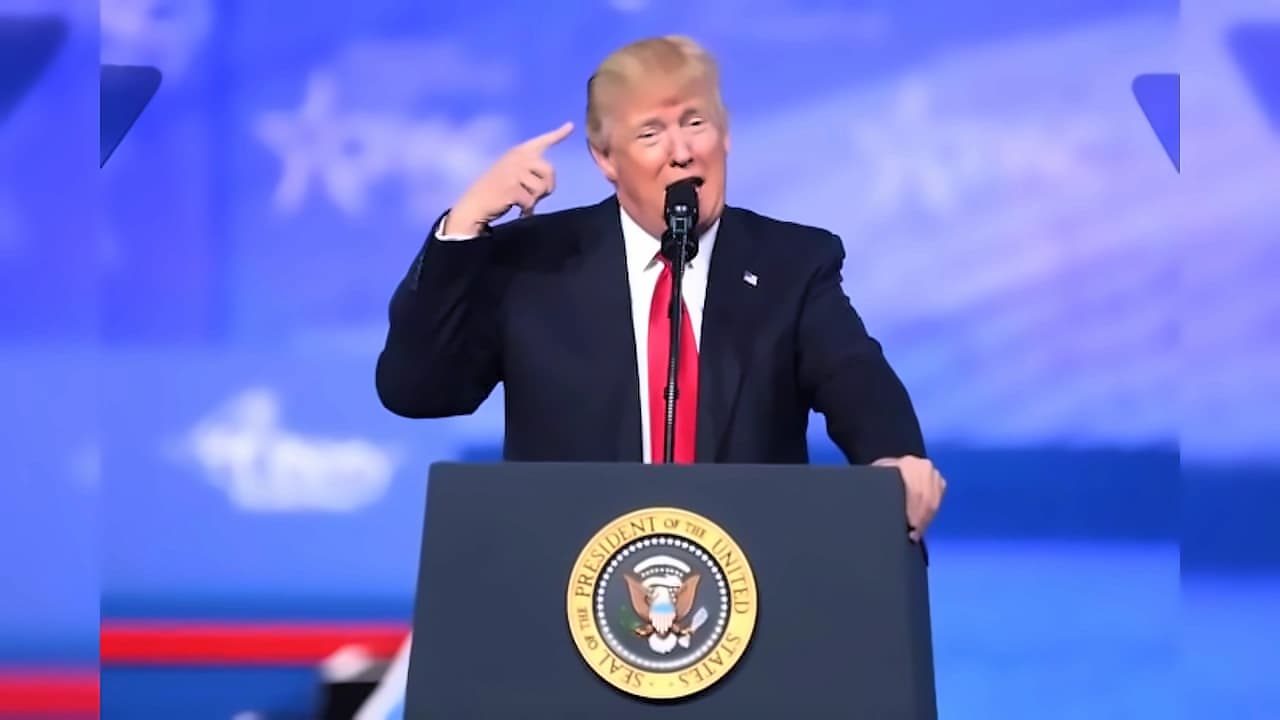
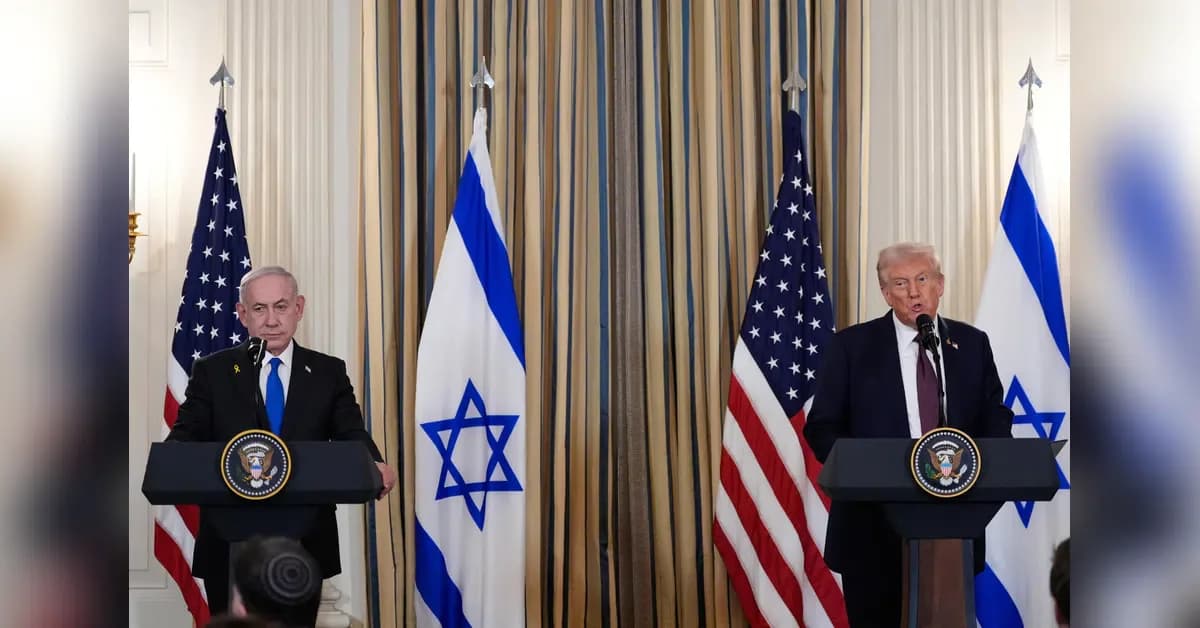
Negotiators for the US and Qatar, with help from Iran, worked out an agreement between Israel and Hezbollah to tamp down the active hostilities, according to US and regional officials who spoke on condition of anonymity. This development allowed the technical talks to proceed after the initial cancellation on Friday. The agreement addresses the escalating tensions that had threatened to derail the broader US-Iran negotiations. Trump expressed frustration with Prime Minister Netanyahu over Israel's handling of the Hezbollah situation in Lebanon, telling reporters he is 'not happy' with Israel's actions and called on Netanyahu to be 'more responsible' in Lebanon.
The signing of the Memorandum of Understanding led to the reopening of the Strait of Hormuz - the waterway which transits roughly one-fifth of the world's energy supplies. However, Iran said on Saturday that it has closed the waterway again, citing Israeli attack in Lebanon, while the US said it is open. This latest development highlights the ongoing tensions that continue to impact regional energy flows despite the diplomatic progress in Switzerland.
Pakistan Foreign Office confirmed that PM Sharif is also expected to hold bilateral interactions with participating delegations from Iran, Qatar, Switzerland and the US on the sidelines of the negotiations, to reaffirm Islamabad's commitment to dialogue and durable peace in the region. According to the Foreign Office, Pakistan's facilitative role underscores its principled, balanced, and constructive approach throughout the crisis, including hosting earlier rounds of US–Iran talks and sustained diplomatic contacts that culminated in the Islamabad Memorandum of Understanding. The technical aspects of the negotiations were supposed to begin on Friday, but were delayed primarily due to fresh rounds of firing between Israel and Lebanon.