Technical talks between the United States and Iran are expected to resume early next week, with Pakistan confirming the timeline. According to Al Jazeera, Pakistan Foreign Ministry spokesperson Tahir Andrabi told journalists in Islamabad that talks will resume next week, I presume on Tuesday. He added that Monday or Wednesday were also possible start dates, without disclosing the venue for the discussions. The resumption signals continued diplomatic engagement following the agreement that ended the recent conflict, with both sides working towards implementing the 60-day ceasefire framework established in Switzerland.
Iran's top negotiator Mohammad Bagher Ghalibaf described the agreement that ended the war as 'America's declaration of defeat' during a conference in Azerbaijan. As reported by Al Jazeera, Ghalibaf said at a conference in Azerbaijan, according to remarks broadcast on Iranian state television, "The Islamabad understanding was not the result of pressure and coercion, but rather the result of the resistance and authority of the brave Iranian nation." He added that "That is why the Islamabad memorandum of understanding became a declaration of America's defeat." Ghalibaf also reiterated Tehran's position that security in the West Asia should be shaped by regional countries rather than external powers, stating "We consider the withdrawal of foreign military forces from the region a strategic objective."
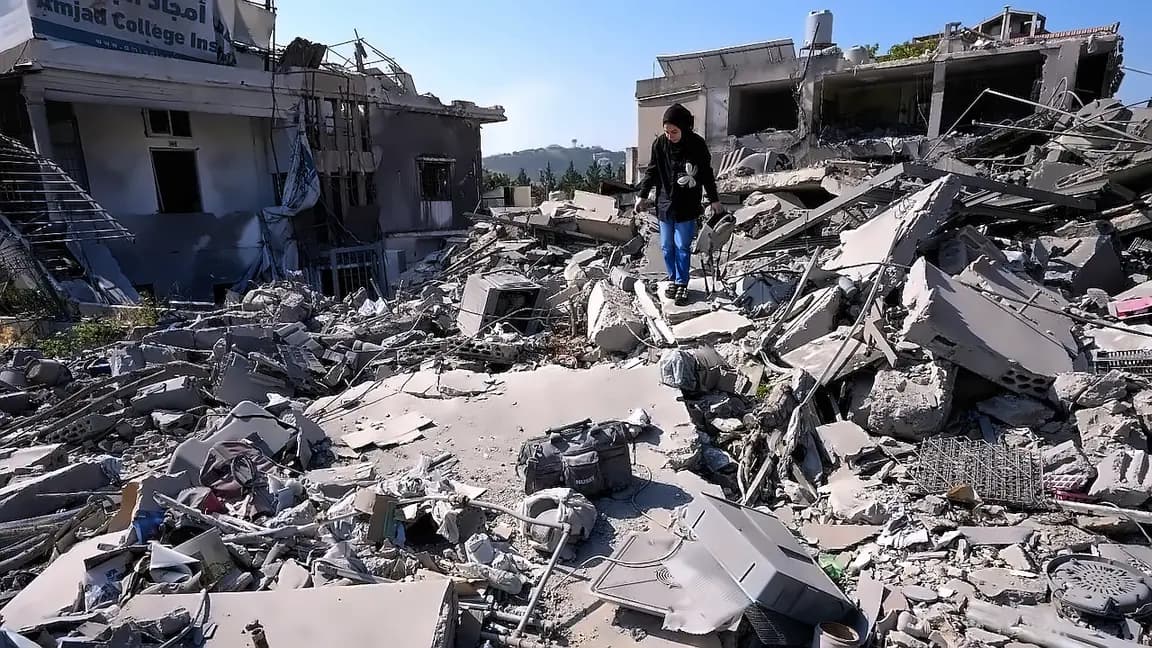
Iranian Foreign Minister Mohammad Bagher Ghalibaf reaffirmed Iran's support for Lebanon, stating that "We have not abandoned our friends and strategic partners in the most difficult and complex conditions." According to Al Jazeera, Ghalibaf said "A ceasefire and an end to the war in Lebanon is just as important to us." He also emphasized Tehran's commitment to regional security, saying "We see the future of the region not in confrontation, but in interaction. [Military] bases of extra-regional forces in West Asia are a source of instability." The Iranian negotiator said Tehran was prepared to work with regional nations on the principles of "non-interference in internal affairs and respect for sovereignty."
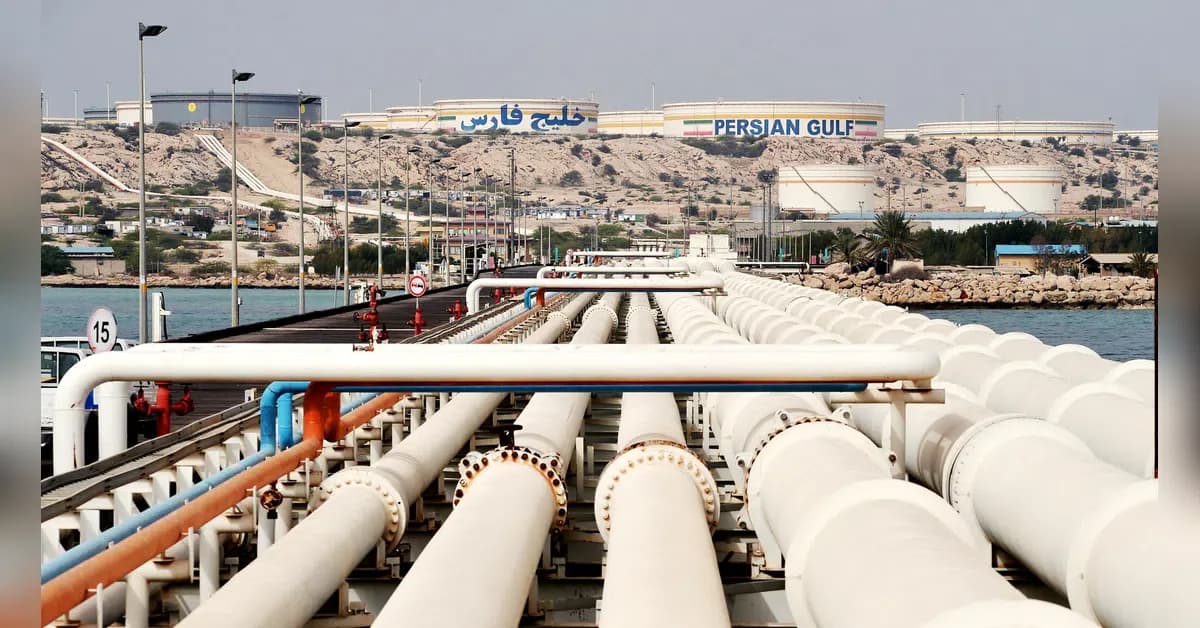
Oil prices declined on Monday following the conclusion of US-Iran negotiations in Switzerland, with September Brent crude futures down 1.40% at $78.93 per barrel and August WTI crude futures at $65.65, down 0.26%. July crude oil futures on Multi Commodity Exchange (MCX) were trading at ₹7155, down 1.47% from the previous close of ₹7262, while August futures were at ₹7107, down 1.28% from ₹7199. The decline came after Tehran announced it had secured waivers for oil and petrochemical exports, easing concerns over potential supply disruptions in global energy markets. According to The Hindu BusinessLine, market participants interpreted the developments as a potential step towards increased Iranian oil flows into international markets, with analysts noting that oil markets have focused on the prospect of additional supply amid expectations that stranded Gulf cargoes could be released and US sanctions on Iranian oil exports could be eased. Following Monday's joint statement by Qatar and Pakistan, oil prices dipped further with global benchmark Brent crude trading below $80 per barrel, as concerns about a supply shortage in global markets eased.

Iranian Foreign Minister Abbas Araghchi described the outcome as "major progress" and outlined significant achievements in his social media post on X after the meeting with the US delegation in Switzerland. According to The Hindu BusinessLine, Araghchi said the mediation had produced "oil and petrochem exports are waived, blockade lifted, some frozen assets released, and major reconstruction and development plan launched for Iran." He identified the "first real test" would be the Lebanon deconfliction cell. The framework includes US waivers for Iranian oil exports and financial transactions, with the memorandum envisioning negotiations over Iran's nuclear program, sanctions relief, shipping through the Strait of Hormuz and access to frozen Iranian assets. The framework also outlines plans for a reconstruction and development package worth at least $300 billion with support from regional partners, while any final agreement would be endorsed through a binding resolution of the UN Security Council. Hamid Bovard, head of the National Iranian Oil Company, told state television on Sunday that more than 25 million barrels of Iranian oil had passed through the virtual blockade line since Monday.
Despite the diplomatic progress, tensions remain high with US President Donald Trump warning on Truth Social that "Iran must immediately stop their highly paid PROXIES in Lebanon from causing trouble." According to The Hindu BusinessLine, Warren Patterson, Head of Commodities Strategy of ING Think, and Ewa Manthey, Commodities Strategist, noted in their Monday commodities feed that recent developments show that moving towards a more permanent deal will be challenging, with very real risks of a flare-up in hostilities during the 60-day ceasefire. For energy markets, the key factor remains whether oil and LNG flows from the Persian Gulf continue to recover, despite all the rhetoric. The analysts emphasized that the key factor is still whether oil and LNG flows from the Persian Gulf continue to recover, as reported by The Hindu BusinessLine.