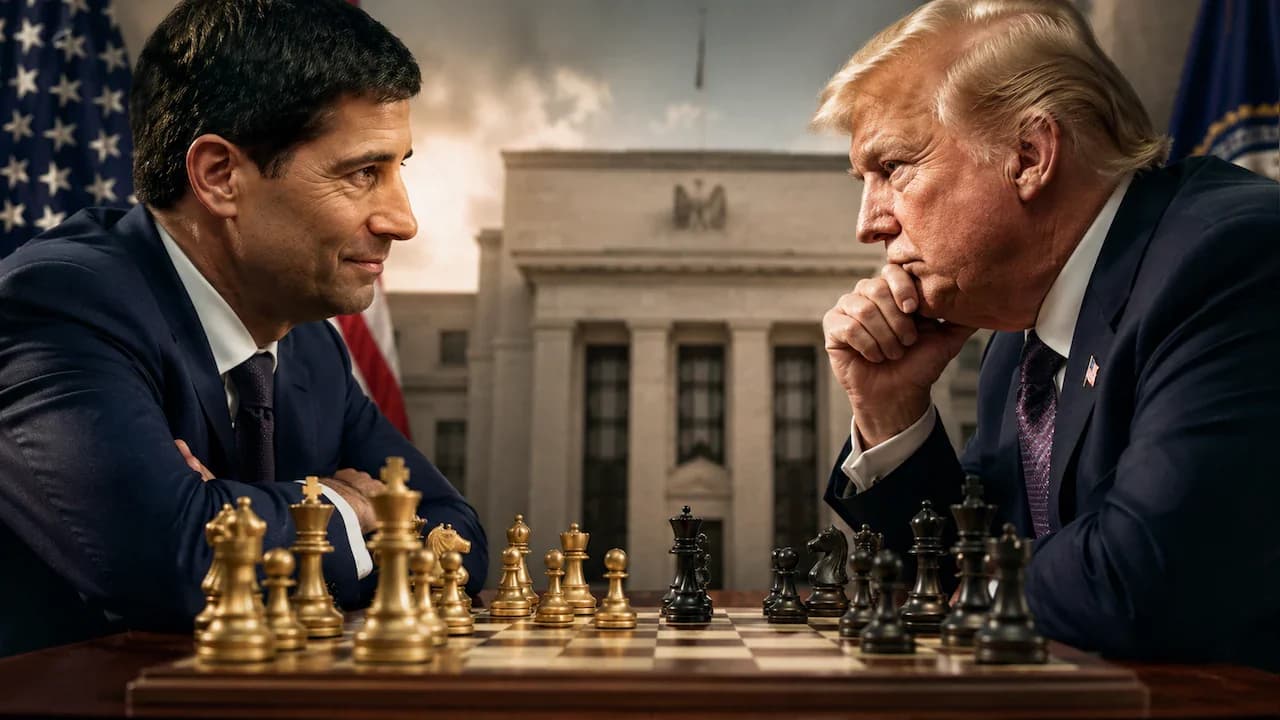
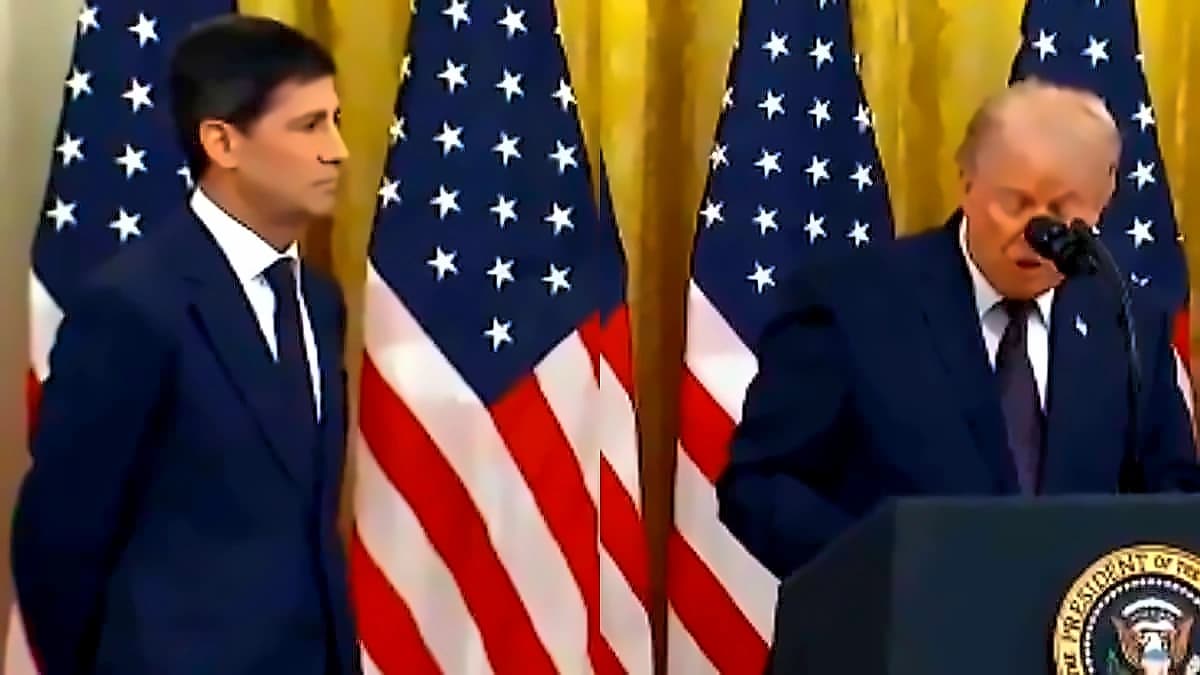
The Federal Reserve faces heightened political challenges as President Trump has been calling Chair Kevin Warsh since he took the helm at the central bank in May, according to new reports from The Wall Street Journal. This development adds significant political crosscurrents to the Fed's path, particularly given Trump's history of urging rate cuts from Warsh's predecessor. The backdrop may sharpen the bond market's sensitivity to any hint of political pressure on the central bank, with traders closely watching for signs that Warsh will face rate-cutting pressure from the White House. Trump on Monday played down the frequency of their conversations, telling reporters: "I've only spoken to him one time briefly, a few days ago. Just a conversation." However, this is unlikely to assuage investor concerns about Warsh's stance on inflation or the Fed's independence. The continued pressure is blurring the line between the Fed and the White House, which matters significantly for anyone with money in the stock market.
Fed Chair Kevin Warsh is reportedly prepared to raise interest rates in September if incoming inflation data runs hot, putting investors on notice that the central bank's next move could be another increase rather than the cuts previously demanded by President Trump. According to the Financial Times, Warsh would support higher rates at the Federal Open Market Committee's September 15-16 meeting if forthcoming price reports show inflation remaining stubbornly elevated. The Fed held its benchmark rate at 3.5% to 3.75% in July, with three of the 12 voting members dissenting in favour of a quarter-point rate hike, marking the first time since September 2016 that three policymakers dissented in the same direction. Markets reacted quickly, with the probability of a quarter-point hike climbing to 56.7% from 54.4% a day earlier, while the two-year Treasury yield rose four basis points to 4.22% and the 10-year yield increased two basis points to 4.64%.
The Trump administration faces a conundrum as President Trump pushes for lower interest rates while Treasury Secretary Scott Bessent prioritizes managing inflation and bond yields. In an ideal world of low or slowing inflation, these goals are not necessarily incompatible. However, the economic, policy and geopolitical environment is far from ideal. A more dovish Fed than markets expect may please Trump, but could also push the 10-year yield higher by reviving inflation concerns - precisely the outcome Bessent wants to avoid. For the 10-year yield not to rise much further, or better still for Bessent to reverse course, the Fed may have to raise rates. Markets aren't pricing in any rate cuts, and even Trump accepts that surging oil prices resulting from the Iran war mean the Fed has to remain extra vigilant on price stability. The Federal Open Market Committee's June meeting minutes indicated core goods inflation had risen from a year earlier, partly reflecting tariffs and AI-related pricing pressures.
Inflation has been above the Fed's 2% target for more than five years, with energy shocks since the U.S.-Iran war beginning at the end of February and serious questions about the Fed's inflation-fighting credibility rattling the bond market. Chicago Fed President Austan Goolsbee has voiced significant worry over soaring inflation, recognizing it as the foremost challenge facing the economy today. In a Wired video published on Tuesday and recorded on June 22, Goolsbee stated that "The biggest problem facing our economy right now is not the collapse of industry and the collapse of jobs; it's that prices have been rising too fast. We got an inflation problem, and people hate inflation." While he deemed the labor market stable, he didn't classify it as vigorous. Inflation has exceeded the Fed's 2% target for more than five years, though many policymakers expect it to resume declining later this year. Core personal consumption expenditure inflation, which excludes food and energy, slipping only slightly to 3.3% in June from 3.4% in May.
Higher rates would likely pressure richly valued technology stocks, real estate, utilities and other long-duration assets while supporting the dollar and short-term yields. Softer inflation could unwind hike expectations and revive growth stocks. Bond markets are sending a warning with yields on long-term Treasury bonds, including the 10-year and 30-year, climbing significantly, suggesting investors are not fully convinced inflation is under control. The political pressure from Trump's calls adds another layer of complexity to the Fed's operational environment, with the larger test being whether Warsh's changes alter the Fed's relationship with the Treasury and the US government's broader economic strategy. The recent spike in long-dated U.S. bond yields to historic highs has exposed a conundrum at the heart of the Trump administration's view on U.S. interest rates. Doubts about Warsh's willingness to raise rates to curb inflation - and even about his commitment to the 2% target itself - have pushed the 30-year Treasury yield above 5.20%, its highest level since 2007. Mortgage rates, which are priced off the 30-year yield, are at their highest level in over a year, with the real yield on 30-year Treasury Inflation-Protected Securities (TIPS) rising further above 3%, to its highest level since 2008.