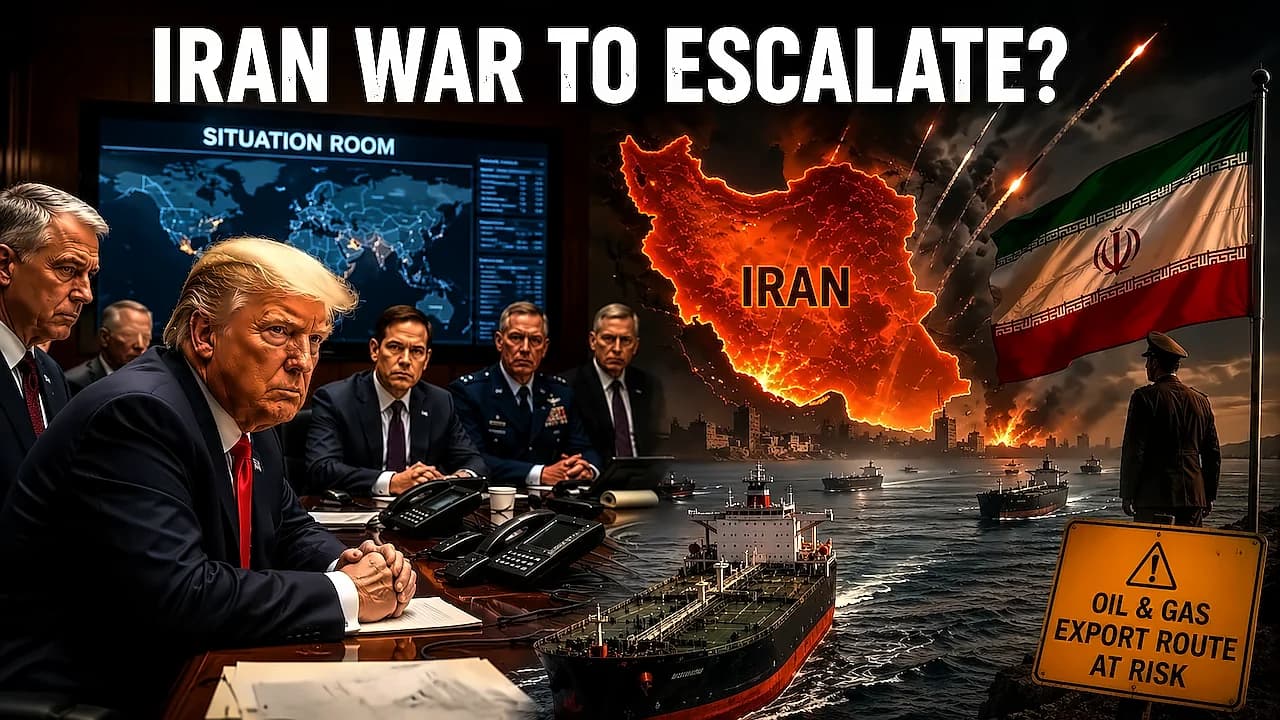
US President Donald Trump departed for Beijing on Tuesday for a high-stakes summit with Chinese President Xi Jinping, with the leaders set to hold a 'long talk' on Iran even as trade remains the main focus of the visit, according to latest reports. The summit comes as tensions over the war involving Iran continue to escalate, with Trump insisting the conflict will end 'peacefully or otherwise' while Tehran accuses Washington and Israel of fabricating 'justifications for atrocity'. This diplomatic engagement follows Trump's recent phone calls with regional leaders, including UAE President Mohamed bin Zayed Al Nahyan and Saudi Arabia's Crown Prince Mohammed bin Salman bin Abdulaziz Al Saud, as reported by the Emirates News Agency (WAM). Vice President JD Vance told reporters at the White House that 'I think that we are making progress' in negotiations, stating that the fundamental question is whether enough progress is made to satisfy Trump's red line of preventing Iran from obtaining nuclear weapons. Sky's Yalda Hakim reports that regional leaders are telling her the conflict 'just displays American failings', suggesting the war may not be achieving its intended strategic objectives.
The situation in West Asia continues to deteriorate with Qatar condemning the infiltration of an armed group affiliated with Iran's IRGC into Bubiyan Island in what it described as hostile actions against Kuwait, as reported by the Qatar Foreign Ministry. The incident resulted in the injury of a member of the Kuwaiti military following clashes with Kuwaiti armed forces. Kuwait said it arrested four alleged members of Iran's Islamic Revolutionary Guard Corps (IRGC) accused of planning 'hostile' activities after attempting to enter the country via Bubiyan Island, according to latest reports. Qatar urged the need to halt the Iranian attacks against neighbouring states, calling it a flagrant breach of international law and a serious threat to regional security. This escalation follows Kuwait's earlier accusation that Iran launched a failed attack on Bubiyan Island on May 1, with four men detained and two escaping when Kuwait's forces disrupted the attack.
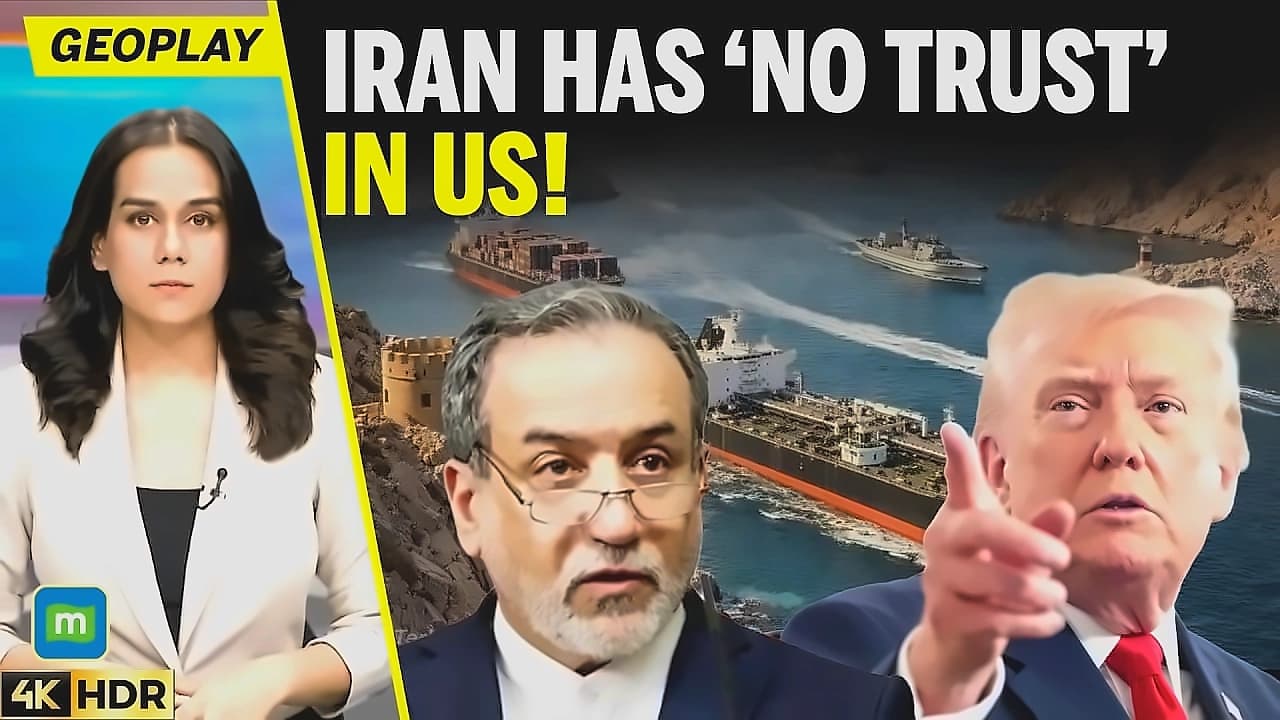
Iran's Foreign Minister Abbas Araghchi addressed regional tensions during talks with Norway's deputy foreign minister in Tehran, as reported by Press TV. Araghchi called the lack of faith in Washington's actions the biggest impediment to peace, stating that 'the lack of good faith and dishonesty of the United States is the most significant obstacle to a definitive end to the war.' This diplomatic response comes as Norway continues efforts to press for reopening the vital waterway, with Norway having some 25 vessels stranded due to the strait's closure. Meanwhile, Iranian diplomat Kazem Gharibabadi stated that 'True peace cannot be built with a literature of humiliation, threats, and coercive score-settling.' Araghchi has accused Kuwait of 'unlawful' attacks on Iranian boats in the Persian Gulf, writing on X that 'In a clear attempt to sow discord, Kuwait has unlawfully attacked an Iranian boat and detained 4 of our citizens in the Persian Gulf' and demanding immediate release of the nationals.
Iran has further tightened its grip on the Strait of Hormuz by cutting deals with Iraq and Pakistan to ship oil and liquefied natural gas from the region, sources familiar with the matter told Reuters. An army spokesperson said that supervision of the vital shipping route could generate twice as much revenue as Iran's oil income. 'After this war ends, there will be no place for retreat,' the spokesperson said, according to comments carried by ISNA news agency. A Chinese supertanker, laden with two million barrels of Iraqi crude, was reportedly navigating the Strait of Hormuz on Wednesday, with the Very Large Crude Carrier Yuan Hua Hu observed past Iran's Larak Island, heading south. This voyage would mark the third known passage by a Chinese oil tanker through the Strait since the US-Israeli war with Iran began on 28 February. The narrow Strait of Hormuz remains in Iran's chokehold, with the US maintaining a blockade against Iran and negotiations appearing at a standstill.
Despite Trump's claims of complete military defeat, NATO sources estimate Iran still has 60% of its missile capability intact after ten weeks of war, at a reported cost of $29 billion to the United States, according to The Independent. Intelligence agencies have reportedly told lawmakers that Iran has regained access to most of its missile sites, launchers and underground facilities after a month of ceasefire. Iran is believed to have restored access to all but three of its 33 missile sites stationed along the Strait of Hormuz, allowing it to project power across the vital waterway and continue testing the American blockade. The White House has repeatedly claimed that Iran's military capacity has been 'decimated' and wiped out, but NATO sources have told The Independent this is not true, explaining that 'Whatever anyone is saying in public, we estimate that the Iranians have at least 60% of their missile capability. How else can you explain, for example, how they can continue to attack Gulf nations with missiles and drones?'