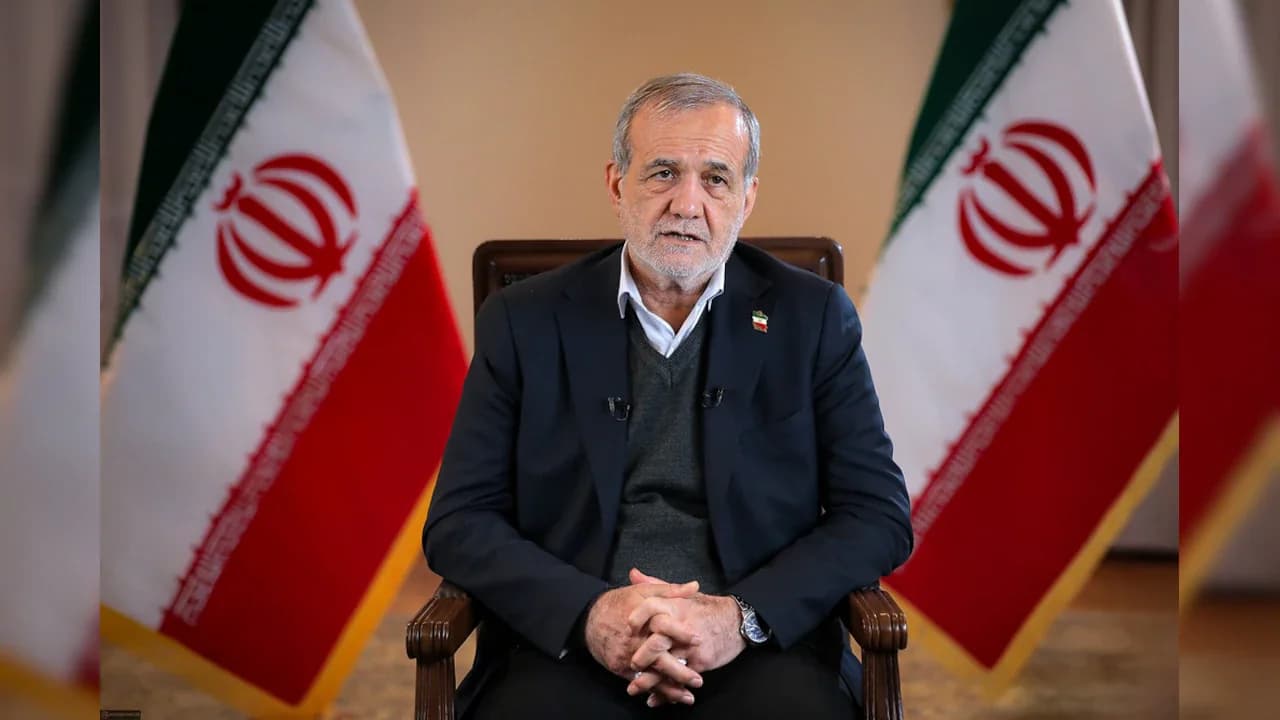
Efforts to secure a framework agreement between the US and Iran have hit a fresh hurdle, with Tehran preparing to submit amendments to a draft memorandum of understanding after President Donald Trump pushed for tougher terms in the proposed deal. According to Iran's semi-official Tasnim news agency, which cited a source familiar with the negotiations, Tehran will apply its own revisions to the draft text and has not accepted the changes proposed by Washington. The source told Tasnim that 'The exchange of texts is continuing, and Iran will naturally apply its own amendments to the text as well. Nothing has been finalized yet'. These comments show the fragile state of negotiations that had appeared to be entering their final phase after weeks of indirect talks aimed at ending the conflict and restoring stability to the region.
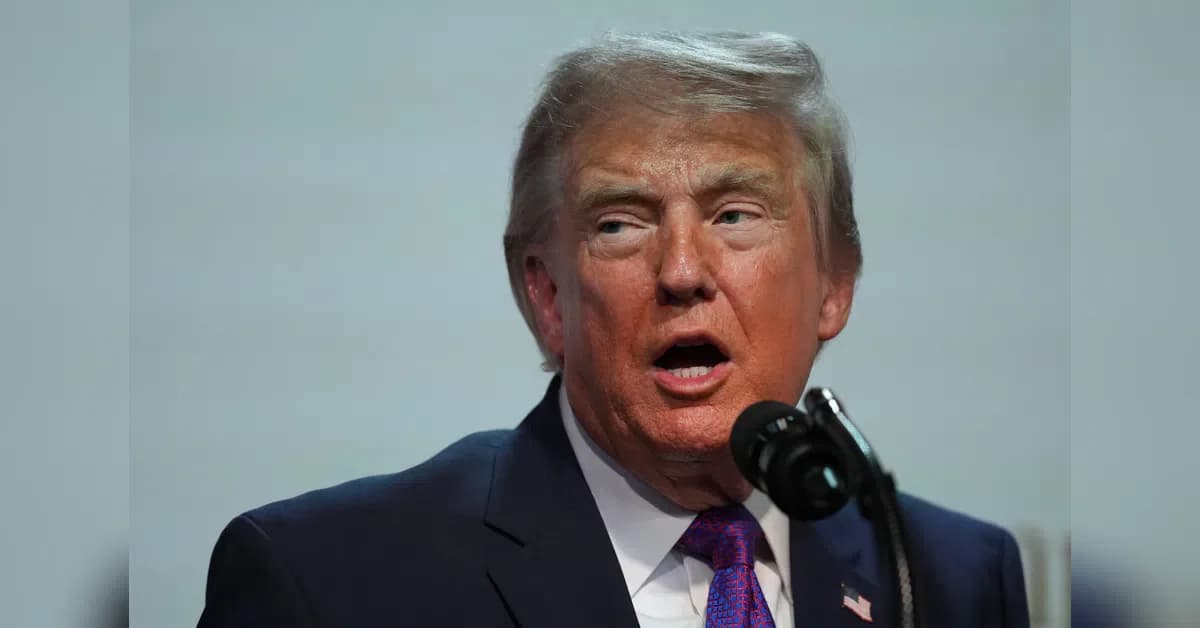
President Donald Trump has confirmed that Iran has agreed not to develop nuclear weapons during ongoing negotiations, speaking during an interview broadcast on Fox News. As reported, Trump reiterated that 'The one guarantee that I have to have is that there will be no nuclear weapons. They've agreed to that, and it was very interesting'. This represents a significant development in the ongoing talks, with Trump stating that 'We're not satisfied with it, but we will be' regarding the ongoing Iran nuclear negotiations, despite acknowledging Iran's willingness to reach an agreement. The President emphasized that 'They just want to make a deal - I don't think they have a choice. They're negotiating on fumes' while maintaining that 'So far they haven't gotten there and we're not satisfied with it, but we will be'. In his latest message, Trump said the US would seize Iran's stockpile of highly enriched uranium and destroy it, though Iran has consistently said it is not discussing details of its nuclear programme under the current talks.
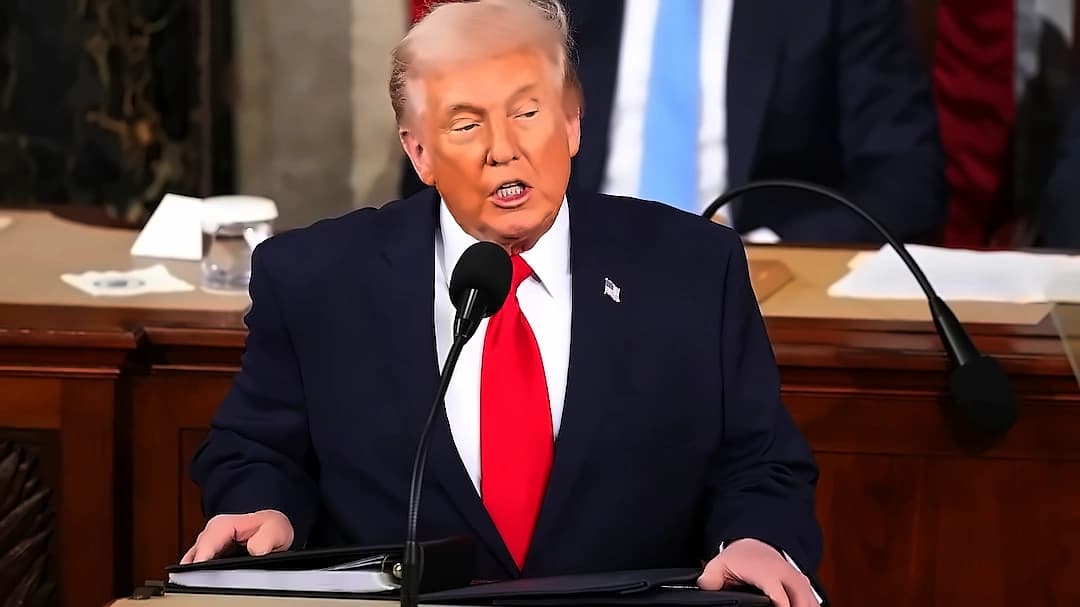
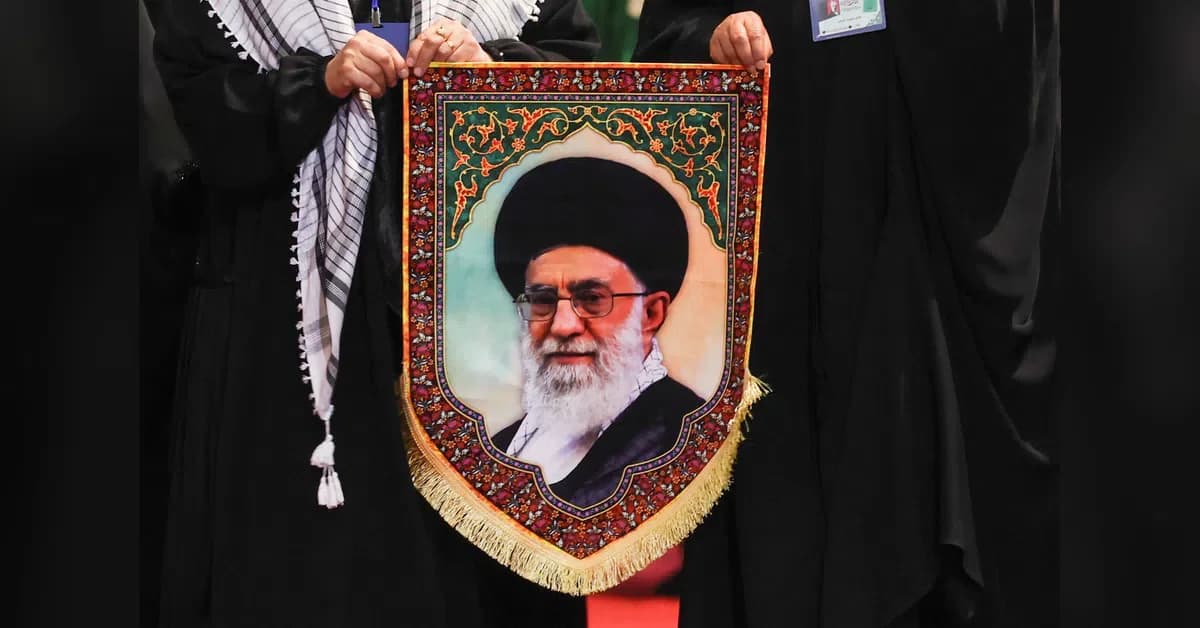
The latest development comes after Trump reportedly sent a revised version of the draft agreement back to Tehran with tougher conditions attached, according to multiple reports. While the exact changes remain unclear, reports suggest the US president was uncomfortable with provisions that could involve unfreezing Iranian assets. Trump has repeatedly criticised the Obama-era nuclear agreement, which included sanctions relief and access to frozen funds. US officials also indicated that Trump has grown frustrated with the pace of Iran's response to previous proposals and is seeking to accelerate the process by increasing pressure on Tehran to accept the broader framework. The revised document has reportedly been forwarded to Iran's supreme leader, Mojtaba Khamenei, for consideration, though the process of securing approval from Tehran's leadership could further delay negotiations.
The legislative leadership in Tehran has responded to the development with firm rhetoric, with Iranian Parliament Speaker Mohammad Bagher Ghalibaf saying on Sunday that no agreement with the US would be approved until Tehran's 'rights' are secured, according to the semi-official Tasnim news agency. As quoted by Tasnim, Ghalibaf said 'The soldiers of the diplomatic battlefield have no trust in the words and promises of the enemy. What matters to us are tangible achievements that we must obtain, in exchange for which we will fulfil our commitments'. This represents a significant obstacle as negotiations continue over the wording of the deal. Despite the ongoing talks, Iranian officials have continued to signal that they are preparing for the possibility that negotiations fail, with the source telling Tasnim that 'The criterion for Iran is a text that we ourselves accept'.
Despite economic pressure, President Trump warned that if negotiations fail, military action will resume. According to reports, he stated 'Either that or we'll have to just finish the job'. The President also revealed that if a peace deal is reached, the strategically vital strait of Hormuz would open immediately, stating 'The strait is going to be open to everybody. Nobody is going to control it. We'll watch over it, but nobody is going to control it'. Asked whether he would accept the purported draft agreement's terms, Trump told reporters 'nobody' would exercise control over the Strait of Hormuz and that it would open 'immediately'. Trump denied reports that he was considering easing American sanctions on Tehran, or was willing to allow Russia and China to remove Iran's highly enriched uranium - both of which would likely draw political criticism in the US.