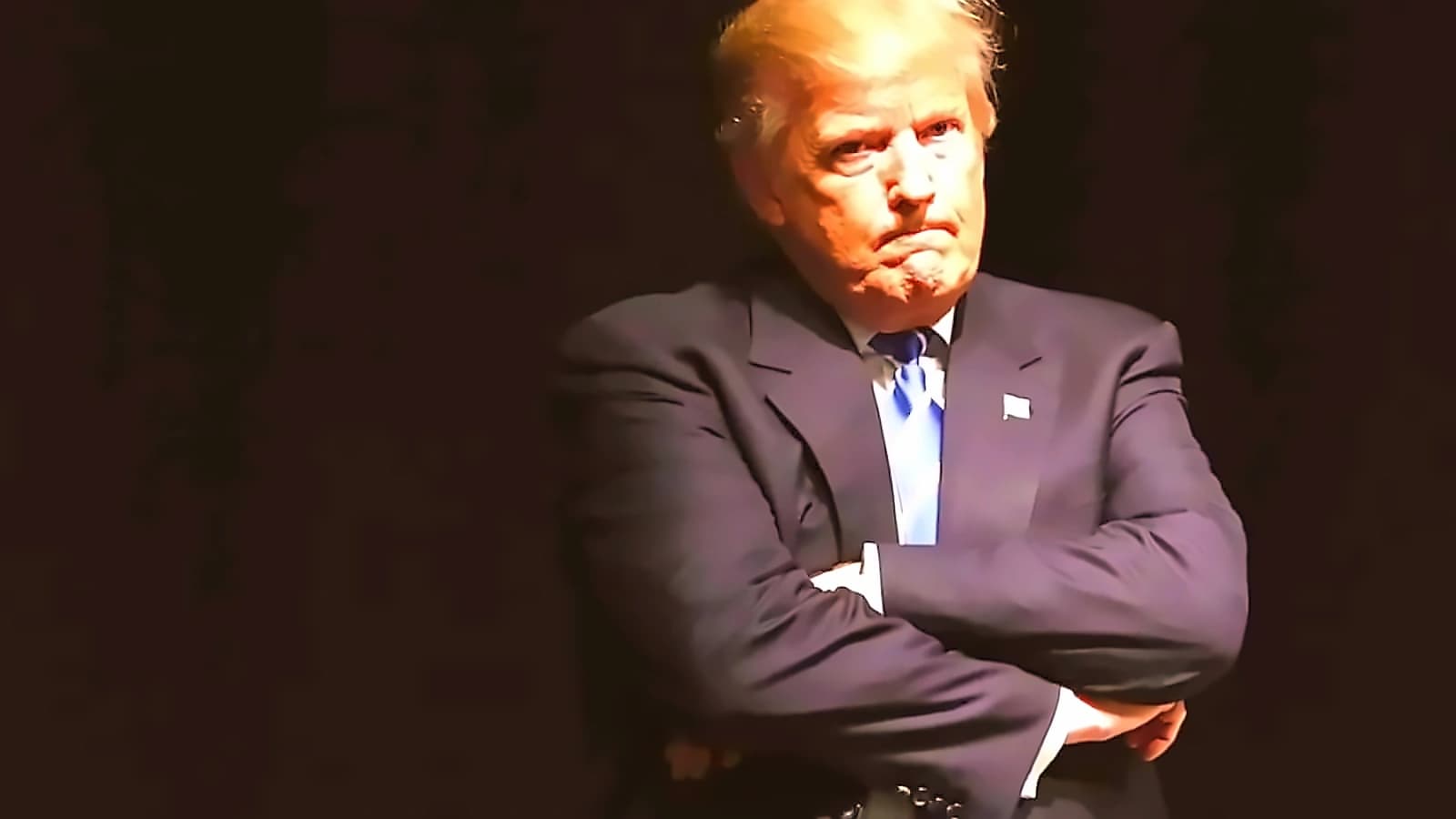
President Trump announced the creation of a 'AI Force' with a new 'AI czar' during a phone call to Nvidia CEO Jensen Huang at the All-In Summit on Monday. "The robots will not be taking over," Trump declared, emphasizing that "The AI will not be taking over the rest of the world." Trump's advisor Jared Sacks, who now chairs Trump's Council of Advisors on Science and Technology, has also been skeptical of regulating the technology. In a recent interview with CBS News, Sacks suggested fears AI could harm people are overblown, stating "I think this is becoming a panic." However, Trump's stance on AI is increasingly out of step with public sentiment, including his own voters, as residents in conservative parts of the US are aggressively pushing back against AI data centres despite supporting Trump in the 2024 election.
The latest Fed rate decision has created a mixed response in equity markets, with stocks initially selling off before finding strong support. As reported by Reuters, Kevin Warsh's first rate hike has shifted the market dynamics, with the Nasdaq 100 failing to set fresh all-time highs since the day before his first rate decision. The S&P 500 has maintained bullish momentum with a bull flag formation and support at the 50% mark of the recent major move, but the Nasdaq's failure to reach new peaks despite strong earnings signals potential underlying concerns. This divergence between major indices suggests that while the broader market remains resilient, technology stocks are facing headwinds from the more hawkish Fed stance.
US stocks have delivered strong gains during the first 20 months of Donald Trump's second presidency, but Wall Street has yet to match the pace of the rally seen during the equivalent period of his first term. According to reports from CNBC TV18, the S&P 500 has risen 27.6% from Trump's second inauguration through Friday's close, compared with a 28.5% gain over the same period of his first presidency. The gap has narrowed since the first year of Trump's second term, when the benchmark was trailing his earlier performance by a wider margin. However, as reported by Axios, Trump 2.0's stock market performance has easily topped Biden's but remains behind Obama and Trump 1.0 in historical comparisons. The Dow Jones Industrial Average has gained 18.8% during the first 20 months of Trump's second term, compared with 33.8% over the corresponding period of his first term, while the Nasdaq Composite is up 35.1% against a 43.5% gain during the same stretch of Trump's first presidency.
The market's gains have been supported by strong corporate earnings and significant artificial intelligence investment, with technology stocks leading the charge. According to reports from Reuters, the S&P 500 reached record levels in August backed by strong corporate profits, particularly in technology, alongside heavy investment in AI infrastructure. More than three-quarters of S&P 500 companies had reported second-quarter results at the time, with earnings growth running at 31.1% year-on-year. Tech-sector earnings were up 72%, while AI-related investment has become an important driver of the market through spending by major technology companies on data centers and related infrastructure. The abundance of capital has pushed into research and development, driving valuations ever-higher as investors show little opportunity cost for holding stocks.
Kevin Warsh's more hawkish approach at the Fed represents a significant shift from the accommodative stance that has dominated markets for the past 15 years. As reported by Reuters, Warsh has talked a tough game on inflation and delivered a rate hike in his first move atop the bank, with another move on the horizon despite his apparent discomfort with forecasts. This represents a departure from the Fed's traditional communication strategy of forward guidance, which made little sense in a rising rate environment. The 50 basis point hike has created a bullish backdrop in the S&P 500, but the Nasdaq's failure to reach fresh all-time highs despite stellar earnings and guidance suggests that higher rate regime can drive a shift in US equities. If US Treasury rates continue higher, this could eventually spell opportunity cost and drive capital away from stocks into bonds, a scenario not seen since the lead-up to the financial collapse in 2006-2007.
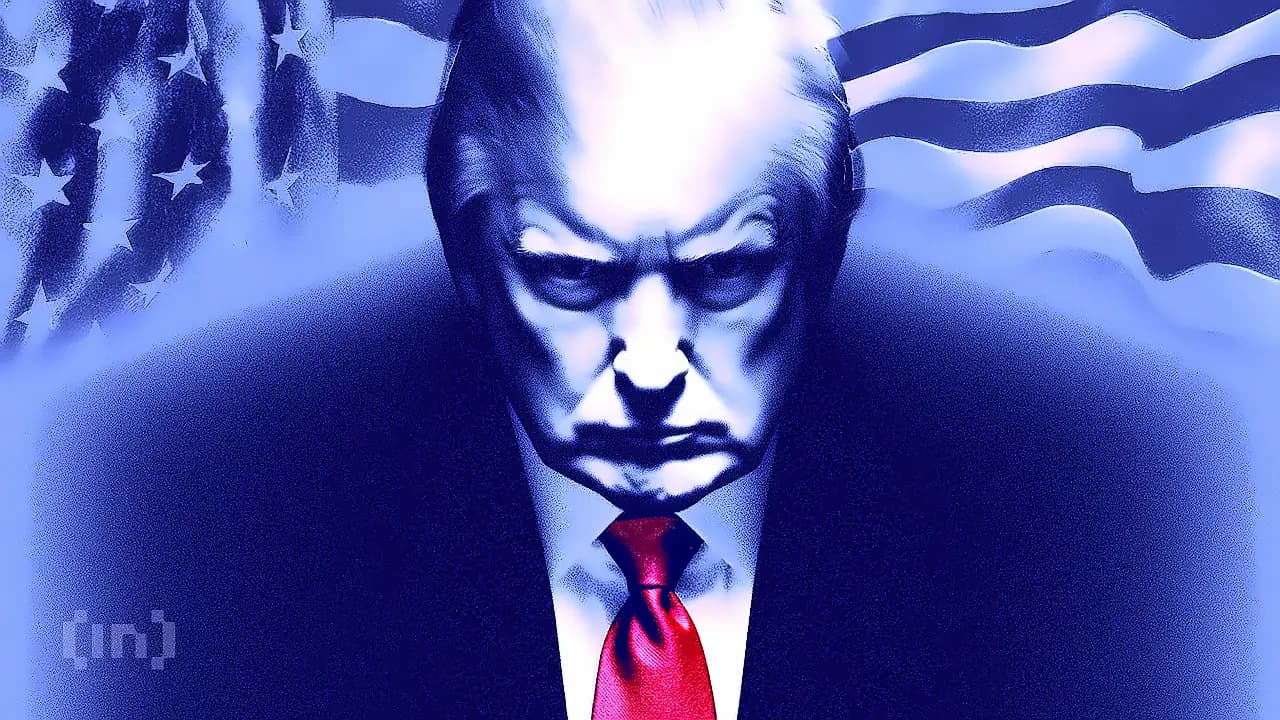
As midterm elections approach, President Trump's behavior has become increasingly unconventional, raising concerns about his leadership capabilities. Recent polling shows 67% of Americans believe Trump doesn't carefully consider important decisions, while 71% say he's not even-tempered. More than 7 in 10 adults and registered voters said he doesn't even have a plan for the Iran war, according to both Fox News and CNN polling. Trump has offered voters what Republicans describe as a bribe of $5,000 to every adult US citizen if Republicans maintain their House and Senate majorities, with 66%-18% of registered voters saying it's inappropriate. He's also threatened to withhold disaster aid from North Carolina if it elects a Democratic senator, claimed the 2024 assassination attempt was a 'Democrat Plot' (despite the attempted assassin being a registered Republican), and announced bans on CNN, MS NOW and Politico from the White House effective immediately. These behaviors, while not unprecedented for Trump, come at a time when his party's grip on power is on the line and voters have real doubts about his steadiness as a leader.