South Korea's artificial intelligence-led semiconductor boom has yet to generate meaningful spillover into the broader economy, according to Nomura's senior economist Park Jeong-woo. Speaking at Nomura's Korea Equities & Economy Media Briefing in Seoul, Park emphasized that while semiconductor stocks have performed strongly, the key question remains whether that strength is flowing into wider economic activity. As reported by The Korea Herald, Park said the central bank appears to have shifted its tone since May, placing less emphasis on a K-shaped recovery and more on expected trickle-down effects from the semiconductor upcycle, though Nomura remains unconvinced that benefits have become broad-based. "So far, the evidence that the warmth is spreading to domestic demand is not that strong," Park noted, highlighting that the semiconductor and stock market boom is not yet moving into consumption with sufficient strength.
According to Nomura's analysis, semiconductor exports have been driven largely by price effects rather than exceptional volume growth, with the sector's contribution to gross domestic product potentially less significant than headline export figures suggest. Business investment has been supported by chipmakers' capital expenditure cycle and is likely to remain strong through the third quarter, but the effect could fade later in the year. Construction activity remains under pressure from elevated interest rates and higher building costs. Consumption data presents a mixed picture, with department store card spending rising 17% while domestic automobile sales declined about 8% in May, as reported by The Korea Herald. The increase in department store spending appears concentrated in luxury purchases, with overall card spending growth at about 2.5%, suggesting limited signs of broader consumption strength.
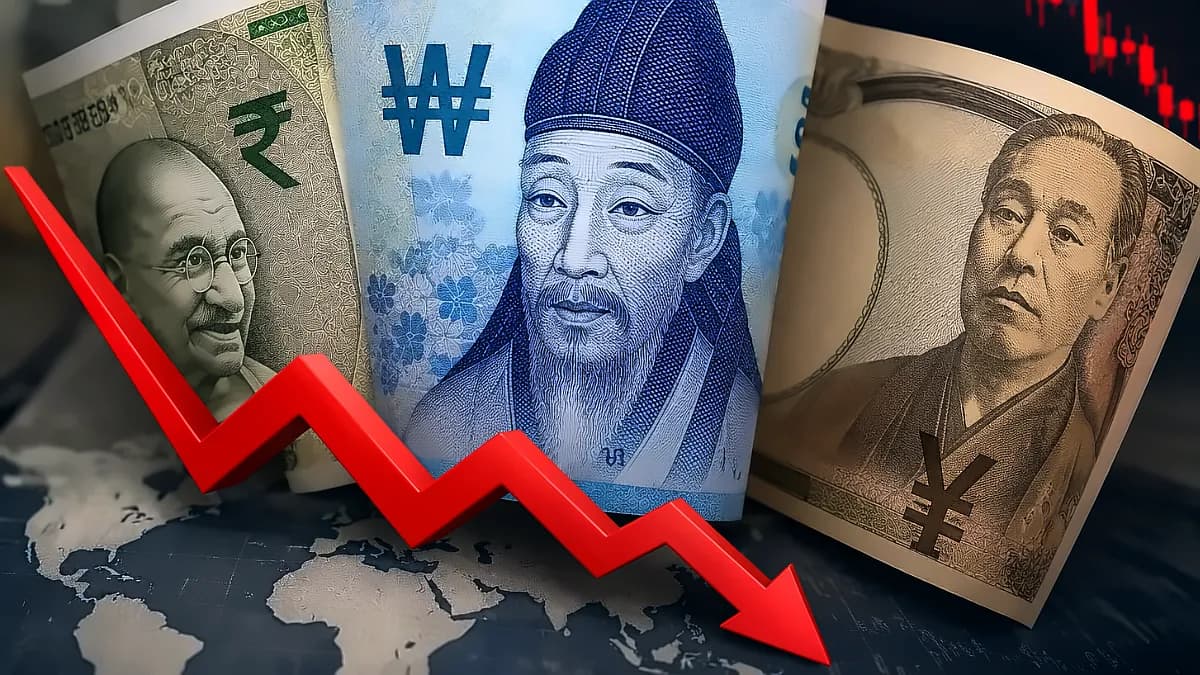
Nomura expects South Korea's economy to grow 2.4% this year, below the BOK's forecast of 2.6% but above the country's estimated potential growth rate of less than 2%. Park noted that 2.4% is not a weak number but given higher expectations and limited speed at which strength is spreading into domestic demand, it represents an appropriate growth rate for this year. On inflation, Park sees current price pressures as primarily supply-driven rather than strong demand, with employment and wage indicators not showing broad inflationary pressures seen during 2021-23. Despite this assessment, Nomura expects the BOK to raise its policy rate in July and eventually take it to 3.25%, driven by financial stability considerations particularly the won and housing market concerns. The won is unlikely to strengthen to the 1,400-per-dollar level in the near term, with Nomura's foreign exchange team expecting the won-dollar rate to be at 1,470 by year-end and 1,420 in 2027.
South Korea continues to benefit from strong global demand for AI-related chips, a trend that has boosted semiconductor exports and lifted equity markets. However, according to Nomura's analysis, the broader economy has yet to experience the full benefits of this boom. Park noted that the evidence that the semiconductor and stock market boom is moving into consumption remains not very strong, with much of the department store spending increase concentrated in luxury purchases. A 25-basis-point rate hike would not significantly influence the exchange rate, requiring much larger increases that appear unlikely given the burden on households and companies.