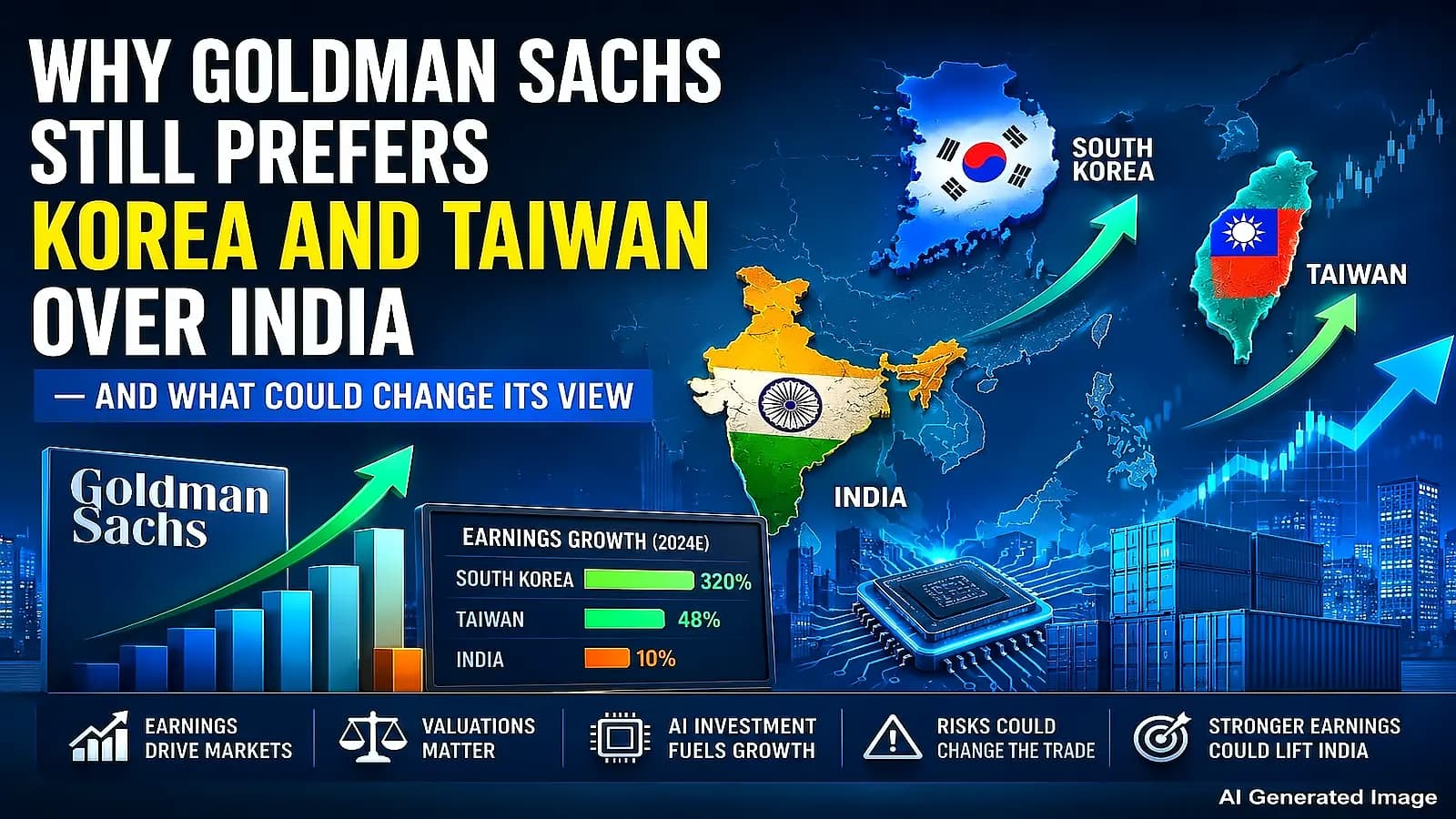
Factory activity expanded across multiple Asian economies in August, driven by surging global demand for artificial intelligence hardware. According to reports from Reuters, China, Japan and South Korea recorded manufacturing expansion during the month, with strong demand for semiconductors, computers and other AI-related products helping offset pressure from rising input costs. The growth was supported by robust semiconductor and technology exports, providing a significant boost to the region's export outlook. As S&P Global reports, the AI boom kept Asia's factories humming even as the prolonged Middle East war fuels uncertainty and rising costs, brightening prospects for the export-reliant region.
China's manufacturing sector showed notable improvement with the RatingDog China General Manufacturing PMI rising to 51.5 in August from 50.9 in July. As reported by Reuters, the reading remained above the 50 threshold that separates expansion from contraction and exceeded the 51 forecast from economists surveyed. The improvement added to signs that AI-related demand is helping stabilise parts of China's industrial sector, though a separate official survey showed overall manufacturing activity remained in contraction territory, highlighting the uneven nature of the country's economic recovery. According to Capital Economics China economist Nguyen Hoang Nam, the rebound mirrors improvement in official counterparts, adding to signs that buoyant foreign demand helped factory activity regain momentum in August.
Japan's manufacturing sector gained significant momentum in August, with the S&P Global Japan Manufacturing PMI climbing to 54.9 from 54.5 in July, reaching its highest level since April and marking the eighth consecutive month of manufacturing expansion. According to S&P Global, the increase was supported by a sharp rise in new business linked to semiconductors and AI-related products, marking the sharpest new orders growth in over eight and a half years. However, recent market developments show a Japanese government bond yield surge and elevated oil prices are creating headwinds for technology stocks. The tech-heavy Nikkei declined 0.2% to 66,173.86, while data-centre-related companies like Furukawa Electric and Fujikura fell significantly, with cable makers declining 4.9% and 3.9% respectively. Despite this sector rotation, the broader Topix gained 0.5%, supported by automobile stocks with Toyota and Nissan each rising 3.1%.
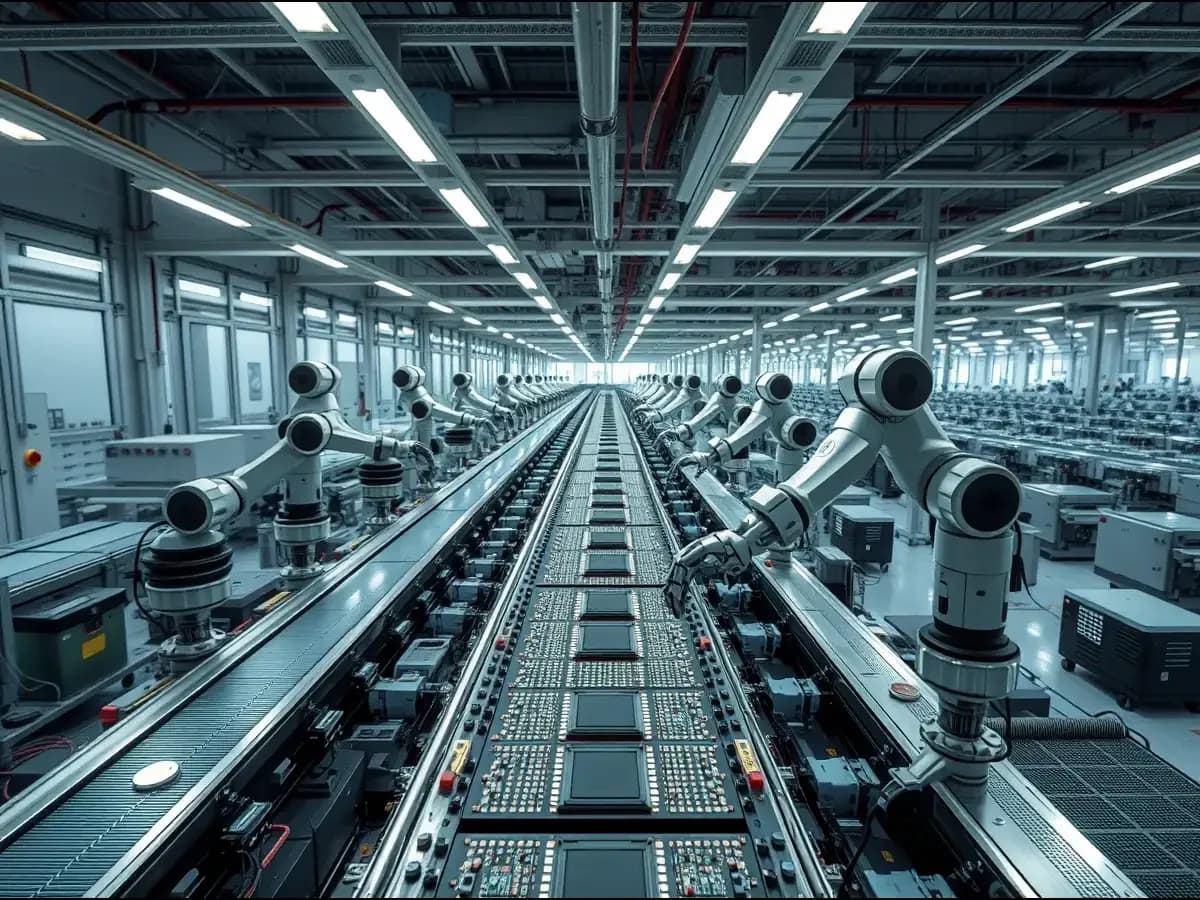
South Korea's manufacturing sector expanded for a ninth consecutive month, though the pace of growth moderated with the PMI falling to 52.3 in August from 53.1 in July. As reported by Reuters, strong export demand continued to underpin factory activity, particularly in the semiconductor sector. Separate trade data showed South Korean exports surged 68.7% in August from a year earlier, extending their growth streak to 15 consecutive months. According to S&P Global Market Intelligence economist David Owen, the robust increase in export demand is an encouraging sign that firms are still benefiting from the current AI and semiconductor supercycle. The export surge provides important tailwinds for South Korea's manufacturing sector, where chipmakers remain major beneficiaries of the global AI infrastructure investment boom.
India's manufacturing growth slowed to a five-year low in August as weak demand dragged new orders and output lower, while factory employment declined for the first time in 30 months. According to The Economic Times, the HSBC India Manufacturing PMI fell to 52.8 from 53.5 in July, though firms reported easing input cost pressures. This contrasts sharply with India's broader economic strength, as the country demonstrated remarkable resilience with 7.8% growth rate in the June quarter, outpacing earlier estimates and navigating through global economic uncertainties. The manufacturing slowdown highlights the uneven nature of Asia's economic recovery, with some economies benefiting from AI-driven demand while others face demand-side challenges.