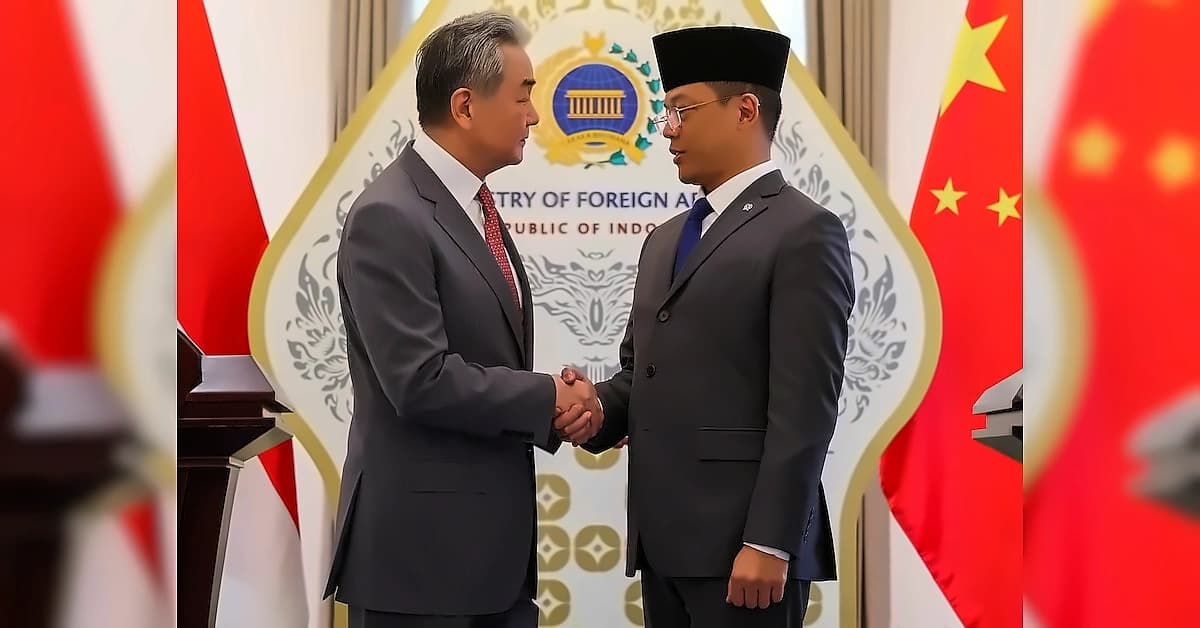
Singapore and Indonesia have reaffirmed their commitment to keeping the Strait of Malacca open, safe and accessible to all, according to reports from The Straits Times/ANN. The pledge was made during the annual Singapore-Indonesia Leader's Retreat in Jakarta, where Singapore Prime Minister Lawrence Wong and Indonesian President Prabowo Subianto discussed regional security, economic cooperation and the need to safeguard critical sea lanes that underpin global trade. Addressing a joint press conference at the Istana Merdeka on Monday, Prabowo emphasized that both countries share a shared interest in maintaining the Strait of Malacca as a passage that is free for all parties. As reported by The Straits Times/ANN, President Prabowo noted that Indonesia and Singapore are countries that directly border one another in the Strait of Malacca, making them particularly invested in its security and freedom of navigation. The commitment emerged after talks on July 6 between the two leaders, where they stressed the importance of safeguarding one of the world's busiest shipping routes amid growing geopolitical uncertainty.
Indonesia and Singapore have agreed to strengthen cooperation in maintaining peace and security in the Strait of Malacca, including search and rescue operations and anti-piracy efforts, as reported by The Straits Times/ANN. The expanded cooperation framework will also involve protection from pollution and security threats in the strategic waterway. Prabowo confirmed that besides Singapore, Indonesia will also work with other countries bordering the Strait of Malacca, namely Malaysia and Thailand, to ensure freedom of navigation on the waterway for all parties. The leaders agreed to work with other littoral states to ensure that the Strait of Malacca and Singapore remain safe, open and accessible to all parties. The free passage rights are protected by the 1982 United Nations Convention on the Laws of the Seas (UNCLOS), as noted by President Prabowo. PM Wong confirmed that he and President Prabowo agreed to work within their respective capacities to ensure a safe and open Strait of Malacca for all parties.
Indonesia will continue working with neighbouring Malaysia and Thailand to maintain security, prevent piracy and protect the waterway from pollution and accidents in line with international law, as reported by The Straits Times/ANN. Wong reinforced the importance of recent disruptions to shipping routes in the Middle East, which have reinforced the importance of keeping key maritime corridors open. He described Singapore and Indonesia as 'strategically aligned' on maritime security and emphasized that both countries share an interest in upholding navigational rights and freedoms and keeping sea lines of communication open to all. According to The Straits Times/ANN, the leaders pledged continued coordination with Malaysia and Thailand to preserve security, safety and freedom of navigation in the strategic waterway. President Prabowo added that Indonesia would continue coordinating with Malaysia and Thailand to ensure that, in accordance with the United Nations Convention on the Law of the Sea (UNCLOS), the strait would 'always remain open to all, safe and accessible to anyone who requires access'. The discussions also highlighted how the relationship is evolving beyond trade and investment into new areas such as renewable energy, cross-border electricity trade, digital infrastructure and supply chain resilience.
Beyond bilateral maritime security, the leaders also discussed regional and global issues that could affect both countries, as reported by The Straits Times/ANN. Prabowo said they reaffirmed ASEAN's position that disputes should be resolved peacefully through dialogue and diplomacy, not only in Southeast Asia but in all regions, while agreeing that any misunderstandings or misperceptions should be resolved openly as friends. The annual Indonesia-Singapore Leaders' Retreat was described as the second such meeting between the two leaders and reflected the special relationship between Indonesia and Singapore. Wong arrived in Jakarta on Sunday evening for the retreat, which was streamed live on YouTube. The discussions were aimed not only at addressing current challenges but also at preparing the Indonesia-Singapore partnership for the future. As reported by The Straits Times/ANN, during the meeting, the two leaders discussed cooperation in various sectors, including economy, energy, and education, as well as regional and global issues. The retreat on July 6 shows just how close both sides are, with President Prabowo emphasizing that today's Leaders' Retreat demonstrates the maturity, trust and strategic value of the Indonesia-Singapore relationship.
The leaders agreed to expand cooperation into renewable energy, cross-border electricity trade, digital infrastructure and supply chain resilience, as reported by The Straits Times/ANN. Indonesia announced that sovereign investment fund Danantara would take the lead in implementing cooperation on cross-border electricity trade, as well as future collaboration in trade, energy and the digital economy. Singapore and Indonesia also signed new agreements involving Danantara and Singapore firms Keppel Electric, Sembcorp Industries and Singapore Energy Interconnections, which are aimed at advancing discussions on future electricity exports. PM Wong described the arrangements as providing a road map for negotiations and paving the way for a cross-border electricity project between the two countries. He described the initiative as a 'win-win' project and an important building block for a wider ASEAN Power Grid that could strengthen regional energy security. The two sides also highlighted cooperation in supply chains, cybersecurity and digital infrastructure, with much of the retreat focusing on expanding cooperation into new sectors expected to shape both economies in the years ahead.
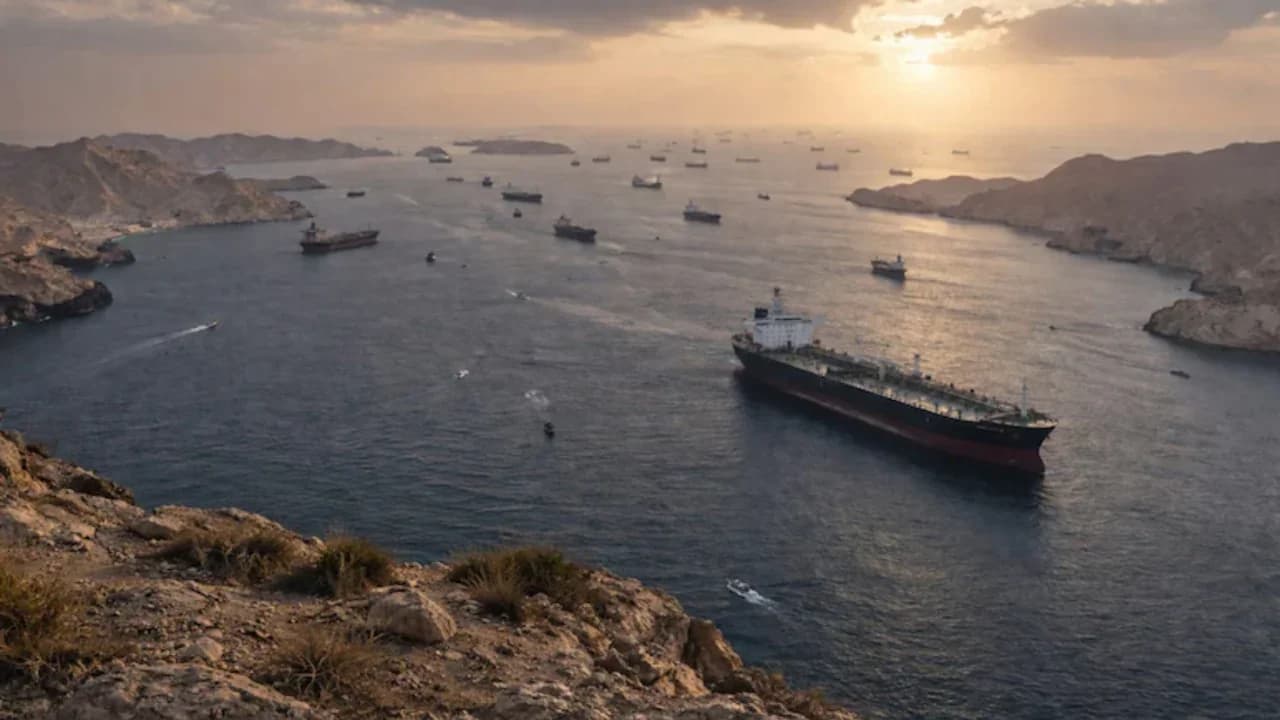
The Strait of Malacca is one of the world's most critical shipping chokepoints, linking the Indian Ocean with the South China Sea, according to The Straits Times/ANN. A significant share of Global trade and energy supplies passes through the route each year, making its security vital for international commerce and supply chains. The commitment from both nations underscores the strategic importance of maintaining free passage through this critical waterway for global economic stability. As reported by The Straits Times/ANN, maintaining the Strait of Malacca also means protecting it from pollution, maritime accidents and piracy, which Prabowo described as matters of vital interest to countries surrounding the waterway. The leaders emphasized that prosperity will never come without peace and stability, requiring constant effort and cooperation between the two countries. Wong linked maritime security to wider global developments, noting that recent events in the Middle East had underscored the importance of keeping major trade routes functioning and secure, citing how the Iran war had choked off traffic in the Strait of Hormuz, leading to disruptions in global trade and the supply of oil.